If you manage multiple buildings with elevators or fire suppression systems, you're sitting on a ticking compliance bomb. AT&T's copper network is being systematically dismantled across nearly 20 states, and by November 15, 2026, thousands of wire centers will no longer support POTS (Plain Old Telephone Service) lines. That means the analog phone lines powering your emergency elevator phones and fire alarm panels are on borrowed time.
The challenge? Most multi-site owners don't even know how many POTS lines they still have, let alone which ones are mission-critical for life safety compliance. This guide walks you through the exact five-step process to replace your elevator phone line and fire suppression communication systems before copper sunset forces your hand, or worse, leaves you non-compliant during an inspection.
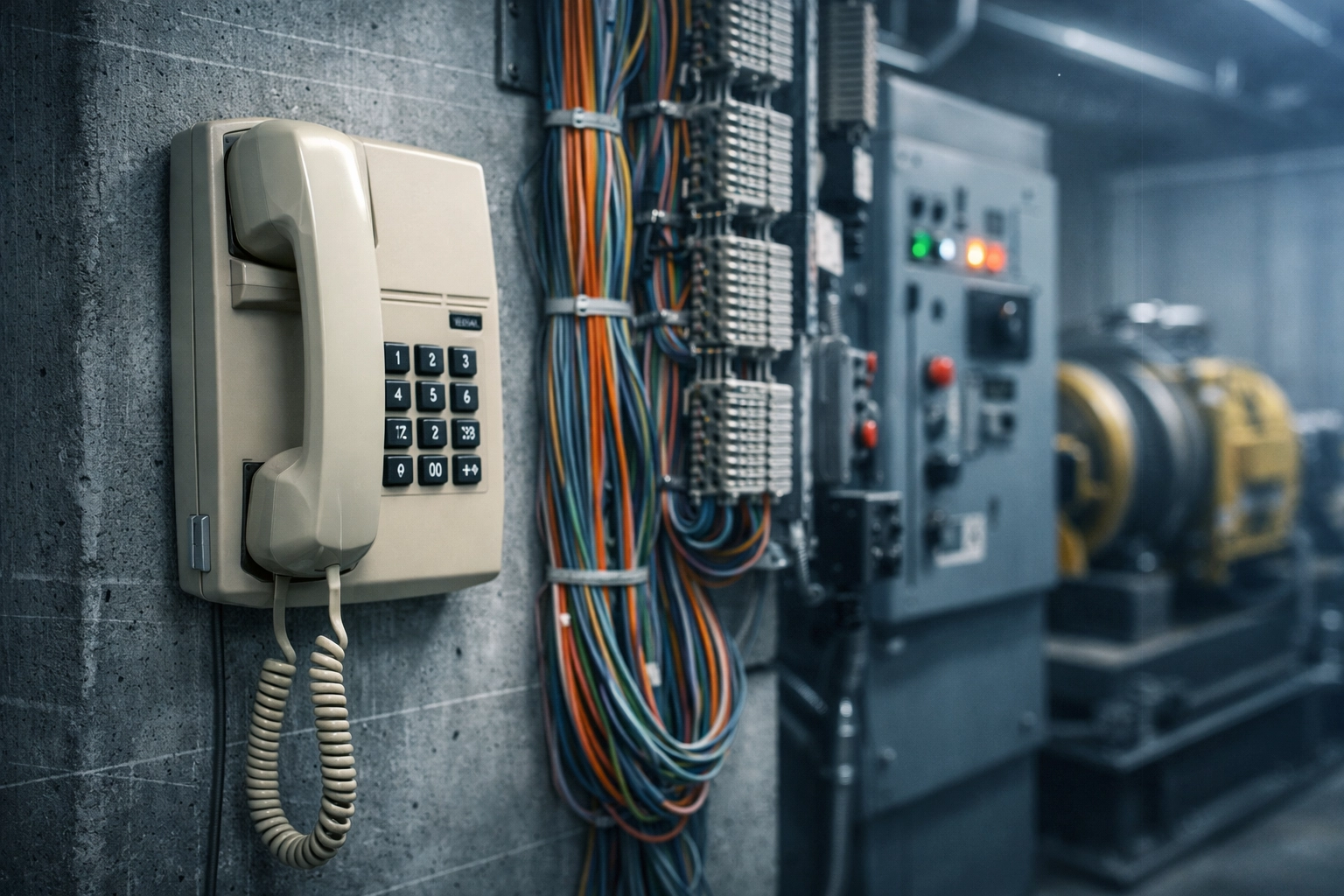
Step 1: Complete a Multi-Site POTS Line Inventory
Before you can replace anything, you need to know what you're working with. This is the step most organizations skip, and it costs them thousands in hidden charges later.
Here's what to do:
- Pull every telecom bill from the last 3–6 months for all locations. Look for line items labeled "POTS," "analog," "copper," or even vague descriptions like "dedicated line."
- Walk each property with your facility manager or elevator service provider. Physically locate the phone panels in elevator cabs, machine rooms, fire alarm control panels, and emergency pull stations.
- Document everything: Building address, line purpose (elevator vs fire alarm), current carrier, monthly cost, and circuit ID.
Why this matters: We routinely find clients paying for 20–40% more POTS lines than they actually use. One multi-location retail client discovered 127 forgotten analog lines still billing at $85/month each, that's over $10,000/month in waste.
Premier Business Team Insight: We've built custom audit tools to scan your telecom invoices and cross-reference with site equipment inventories. This usually cuts discovery time from weeks to days.
Step 2: Evaluate Your Current Compliance Requirements
Not all emergency phone lines are created equal. Elevator lines and fire alarm lines operate under different regulatory frameworks, and mixing them up during replacement can trigger failed inspections.
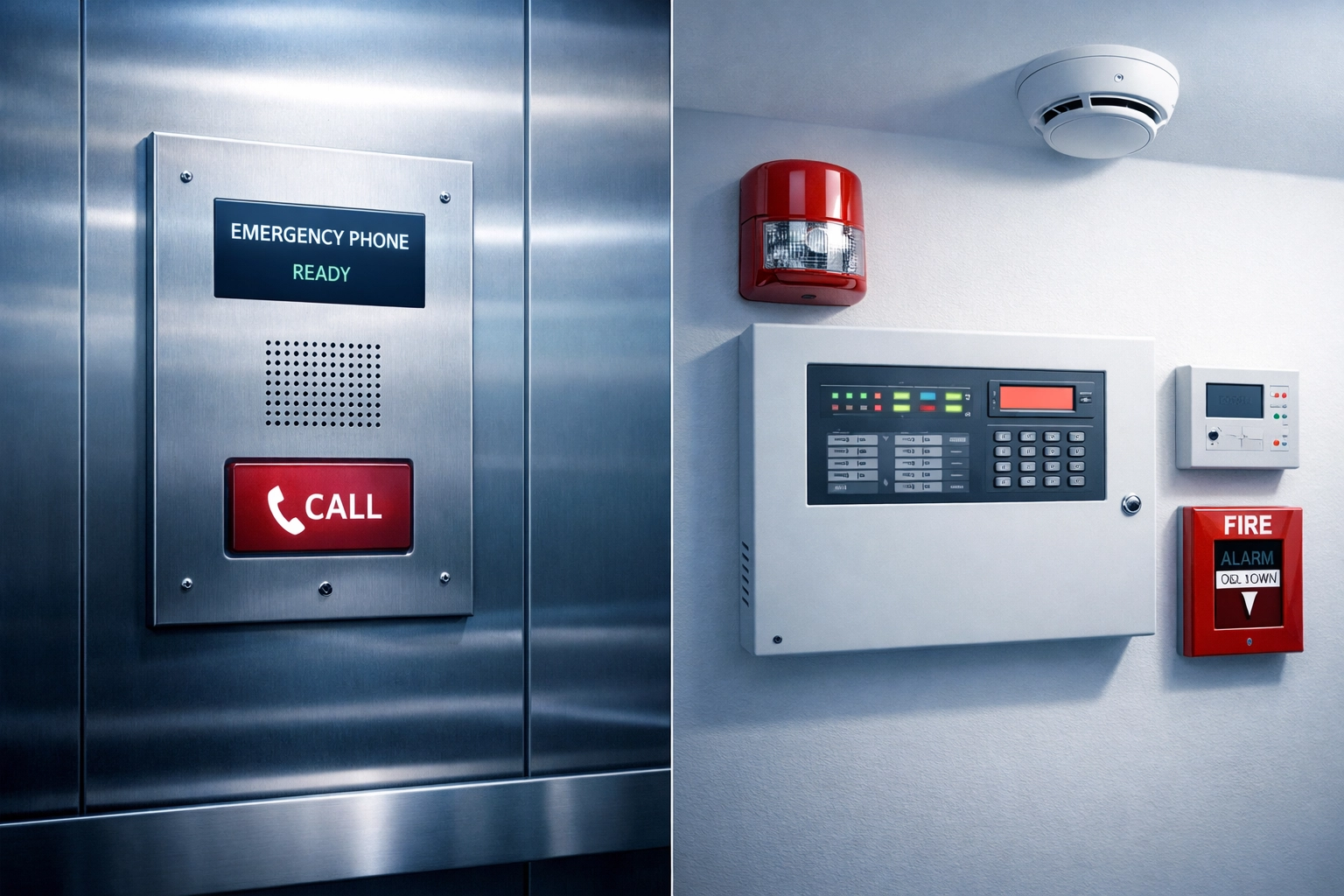
Elevator Phone Lines (ASME A17.1 / ADA)
- Must connect to a live operator or emergency service 24/7.
- Require two-way voice communication.
- Must function during power outages (backup battery).
- Cannot rely solely on cellular if the building has poor signal.
Fire Alarm Lines (NFPA 72)
- Must transmit alarm signals to a UL-listed central monitoring station.
- Require supervision (the monitoring station must detect line failure within 200 seconds).
- May use cellular/IP as primary communication if it meets TIA-4950 standards.
Why you can't just "swap to VoIP": Standard VoIP phone systems don't meet supervision requirements for fire alarms and often fail ADA compliance for elevators because they lack battery backup during internet outages. This is the #1 mistake we see during emergency POTS line replacement projects.
Action Step: Request a compliance letter from your elevator service provider and fire alarm monitoring company outlining their technical requirements. Use this as your baseline when evaluating replacement solutions.
Step 3: Select the Right Replacement Solution (LTE/Cellular)
Once you know what you need, it's time to pick the technology that actually works. For most multi-site owners, LTE/cellular-based emergency phone line solutions offer the best balance of compliance, reliability, and cost.
Top Replacement Options:
LTE Elevator Phone Systems
- Dedicated cellular units that install in the elevator machine room.
- Built-in battery backup (4–24 hours depending on model).
- Two-way voice communication with live operators.
- No reliance on building internet or power.
- Cost: $30–$60/month per elevator line.
Cellular Fire Alarm Communicators
- Replace copper with dual-path monitoring (cellular + IP).
- Meet NFPA 72 supervision requirements.
- Instant signal transmission to UL-listed monitoring stations.
- Cost: $25–$50/month per fire panel.
What to avoid: Cheap "plug-and-play" cellular adapters that don't meet ADA voice quality standards or lack proper battery backup. If it costs less than $200 for the device, it's probably not compliant.
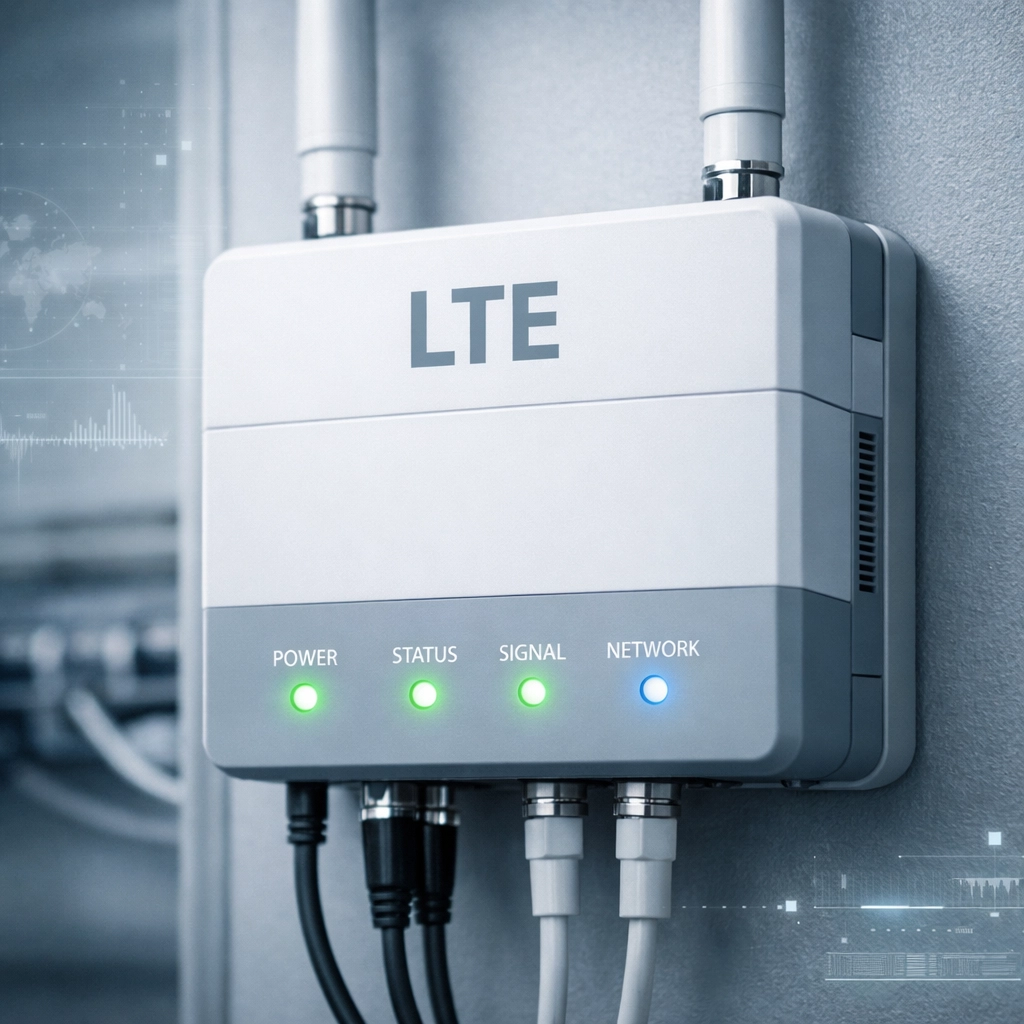
Premier Business Team Recommendation: We work directly with manufacturers like Kings III, Phonetics, and Viking Electronics to ensure every replacement solution is pre-certified for your specific compliance codes. No guesswork, no failed inspections.
Step 4: Deploy with Professional Project Management
Here's where most multi-site POTS line replacement projects go sideways: coordination. You're juggling elevator techs, fire alarm vendors, telecom carriers, and building managers across 10, 20, or 50+ locations. Without a single point of accountability, installations drag on for months.
Deployment Best Practices:
- Schedule installations during low-traffic hours to avoid elevator downtime complaints.
- Coordinate with your fire alarm monitoring company at least 2 weeks in advance to update receiver profiles and test signals.
- Port existing phone numbers if your elevator emergency line is listed in public directories (some jurisdictions require this).
- Test immediately after installation, don't wait for the monthly inspection cycle.
Timeline Expectation: A well-managed 20-location deployment typically takes 4–6 weeks from kickoff to final sign-off. Rushed jobs without proper project management? 3–6 months with multiple site revisits.
How Premier Business Team Helps: We act as your single-point project manager, coordinating directly with elevator vendors, fire alarm companies, and cellular providers. You get one contact, one timeline, and one invoice. We even handle the carrier port requests and final compliance documentation.
Step 5: Test, Document, and Maintain Compliance
Replacing the hardware is only half the battle. You need proof that everything works, and that proof needs to survive an OSHA, fire marshal, or elevator inspector visit.

Post-Installation Checklist:
- Elevator Phone Test: Place a test call from each elevator cab. Verify two-way audio, operator response time, and automatic callback functionality.
- Fire Alarm Signal Test: Trigger a supervised test signal and confirm receipt by the monitoring station within 60 seconds.
- Battery Backup Test: Simulate a power failure and verify the system stays online for at least 4 hours.
- Documentation: Collect signed-off test reports from your elevator vendor and fire alarm company. Store these with your building permits and inspection records.
Ongoing Maintenance: Most LTE/cellular systems require annual testing and battery replacement every 3–5 years. Build this into your preventive maintenance schedule, or better yet, let us handle it under a managed support agreement.
Frequently Asked Questions (FAQ)
What happens if I don't replace my POTS lines before copper sunset?
Your carrier will either force-migrate you to a higher-cost alternative (some clients have seen 648% price increases) or simply disconnect service. If you lose your elevator or fire alarm line and don't have a compliant replacement, you risk failed inspections, fines, and potential liability during emergencies.
Can I use my building's existing internet connection for elevator phones?
Technically yes, but it's risky. Internet-based solutions (VoIP) often fail ADA compliance because they lack dedicated battery backup and can drop during network congestion. LTE/cellular is safer because it doesn't rely on your building's infrastructure.
How much does elevator phone line replacement cost per location?
Budget $30–$60/month per elevator line for LTE solutions, plus $200–$500 in one-time installation costs per unit. Fire alarm cellular communicators run $25–$50/month with similar installation fees. For a 10-building portfolio with 15 elevators and 10 fire panels, expect $1,200–$1,800/month in ongoing service costs.
Do I need to notify my elevator inspector before switching?
Yes. Most jurisdictions require updated equipment certifications and test results. Your elevator service provider should handle this as part of the installation, but always confirm they're filing the proper paperwork with your local AHJ (Authority Having Jurisdiction).
What's the timeline for a full multi-site replacement?
With proper project management, most 10–20 location deployments take 4–6 weeks. Larger portfolios (50+ sites) can stretch to 8–12 weeks depending on vendor availability and site access.
Don't Wait Until Copper Sunset Forces Your Hand
The clock is ticking. Copper retirement is happening right now, and carriers are actively turning off wire centers across the country. If you wait until your elevator phone or fire alarm line goes dead, you're looking at emergency service calls, expedited shipping fees, and potential compliance violations.
Premier Business Team specializes in multi-site POTS line replacement projects: from initial inventory audits to final compliance sign-off. We've helped commercial property managers, retail franchises, and industrial facility operators across the country navigate copper sunset without disrupting operations or failing inspections.
Ready to get started? Call us today at 360-946-2626 and let's build your compliance roadmap before November 2026. Your elevators and fire systems are too important to leave to chance.