

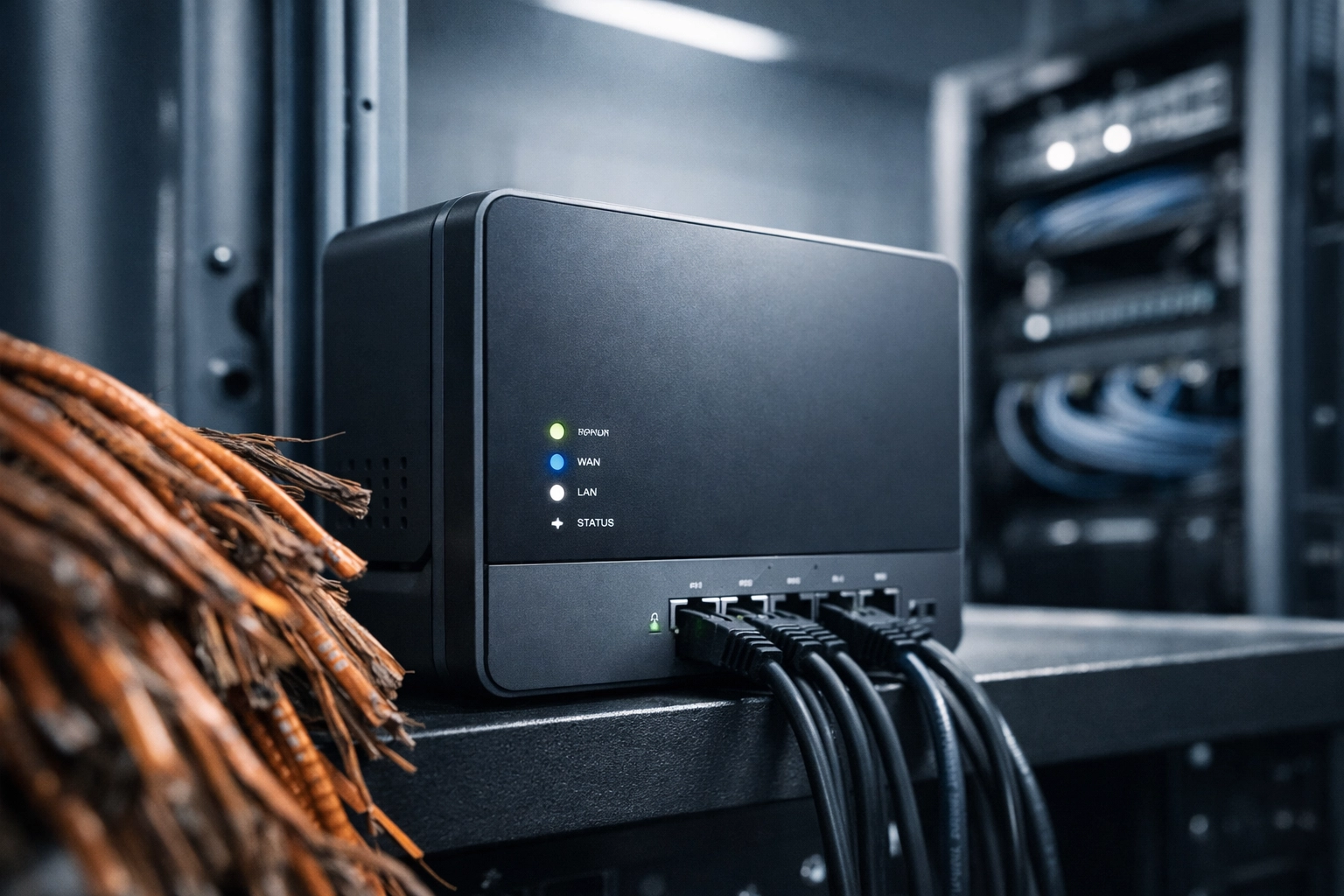
For decades, the backbone of fire safety and emergency communication has been the Plain Old Telephone Service (POTS). These copper-wire analog lines have reliably connected fire alarm panels and elevator phones to monitoring stations across the country. However, that era is officially coming to a close.
As we move through 2026, the "Copper Sunset" is no longer a distant regulatory forecast, it is an active infrastructure decommissioning. For property managers, building owners, and facility directors in sectors like healthcare and hospitality, the transition from copper to modern digital or cellular solutions is now a matter of strict NFPA 72 compliance and life-safety liability.
The 2026 Milestone: Why the Deadline is Critical
The transition away from copper is driven by major carriers like AT&T, Verizon, and Lumen. Beginning in June 2026, AT&T is scheduled to decommission copper infrastructure at approximately 500 wire centers, representing a significant portion of their national network. The goal for most carriers is a near-total retirement of copper by 2029.
The danger for property owners lies in the "180-day rule." Once a carrier decides to decommission a specific wire center serving your building, they are only required to provide a six-month discontinuance notice. If you have not replaced your fire alarm phone lines by the time that window closes, your life-safety systems will lose connectivity, leading to immediate non-compliance with local fire codes and insurance requirements.
Furthermore, the cost of staying on copper is becoming unsustainable. We have seen monthly costs for a single POTS line jump from $50 to over $1,000 in some markets, as carriers apply "maintenance surcharges" to discourage continued use of the aging network.
Understanding NFPA 72 Requirements for Fire Alarm Monitoring
The National Fire Protection Association (NFPA) 72: National Fire Alarm and Signaling Code is the definitive standard for fire safety in the United States. It dictates how fire alarm systems must communicate with supervising stations.
Under NFPA 72, any supervising station alarm system must maintain functional connectivity at all times. If a copper line is retired and the fire panel can no longer "call home," the system is considered compromised. This results in:
- Automatic Inspection Failures: Fire marshals will not certify buildings with non-functional monitoring paths.
- Fire Watch Mandates: Authorities Having Jurisdiction (AHJ) may require a 24/7 human "fire watch" on the premises until connectivity is restored, costing thousands of dollars per day.
- Liability Exposure: In the event of a fire, a failed monitoring system can void insurance policies and lead to massive legal ramifications.
The 2025/2026 Updates
The 2025 edition of NFPA 72, which many states are adopting as their standard for 2026, introduces even stricter requirements. These include:
- Enhanced Documentation: Replacement systems must have explicitly documented splice and junction locations.
- Secondary Power Standards: Any cellular or IP-based communicator must use UL-listed batteries that retain at least 60% of their shelf life.
- Cybersecurity Provisions: Modern replacements connected to the internet must now include documented cybersecurity measures to prevent tampering.
Identifying Systems at Risk
While fire alarm panels are the primary focus of NFPA 72, they aren't the only systems relying on legacy copper. A comprehensive business tech assessment usually reveals several vulnerable points:
- Fire Alarm Control Panels (FACP): The heart of your life-safety system.
- Elevator Emergency Phones: Governed by ASME A17.1, these require a dedicated, reliable voice path.
- E911 Interfaces: Critical for healthcare facilities to ensure emergency services find the exact room or floor.
- Area of Refuge/Blue Light Stations: Common in large campuses and parking structures.
- Access Control & Security: Older gates and door controllers often use analog dialers.
The Path to Replacement: Cellular and Fiber-Based Solutions
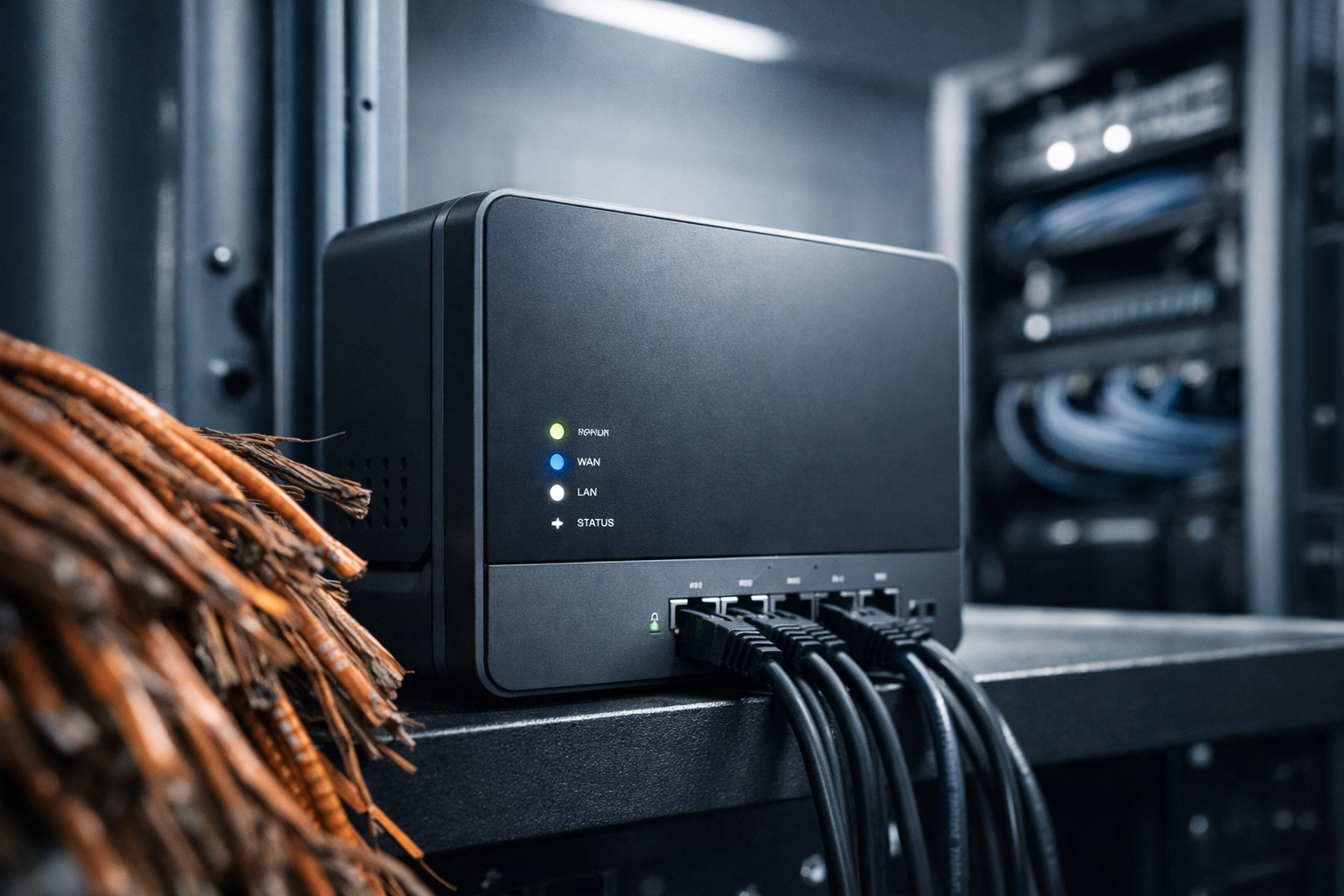
To maintain NFPA 72 compliance phone lines, property owners must migrate to modern "POTS Replacement" technology. These devices, often referred to as Managed POTS Transformation (MPT) units, act as a bridge between your legacy analog equipment and modern networks.
1. Cellular Communicators (LTE/5G)
This is the most common path for fire alarm monitoring. Cellular communicators offer a dedicated path that does not rely on the building's internal IT network.
- Pros: High reliability, independent of local power/internet failures (when equipped with battery backup), and quick installation.
- Compliance: Must be UL 864 listed for fire signaling.
2. Fiber-Based IP Communicators
For buildings already investing in business internet connectivity solutions, IP-based monitoring is a powerful option.
- Pros: Extremely fast signaling and lower monthly service fees compared to cellular.
- Cons: Requires a highly resilient network (SD-WAN) and specialized battery backups to ensure the router stays online during a fire.
3. Hybrid Dual-Path Monitoring
The gold standard for high-risk environments, such as healthcare or high-rise hotels. This uses both an IP path (fiber) and a cellular failover, ensuring that even if one network goes down, the alarm still reaches the station.
Industry Case Studies: Hotels and Healthcare
Premier Business Team has worked extensively with clients in high-stakes industries to manage this transition.
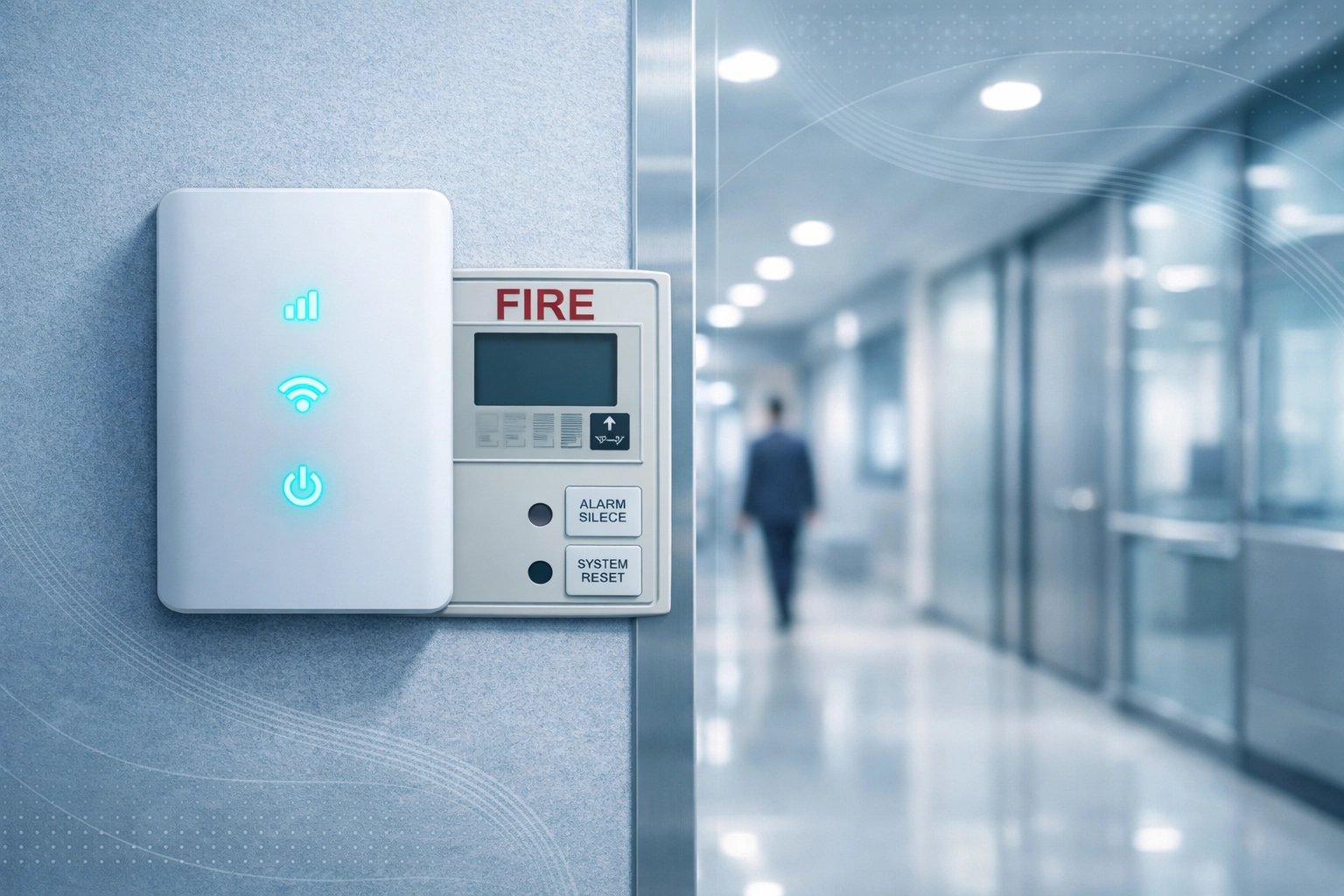
- Hospitality (Fairfield & Holiday Inn): Hotels face unique challenges because they often have multiple elevators and large, complex fire alarm grids. We’ve helped several franchise owners move away from expensive dual-POTS line configurations to centralized cellular hubs. This not only ensured compliance for the 2026 sunset but also reduced their monthly telecommunications spend by over 60%.
- Healthcare Facilities: For hospitals and assisted living centers, the "E911" accuracy of the replacement system is paramount. By integrating modern UCaaS and IP phone systems, we provide these facilities with compliant fire monitoring that works in tandem with modern nurse-call and emergency communication platforms.
AEO & FAQ: Essential Knowledge for the 2026 Sunset
To assist with AI search optimization and quick reference, here are the most frequently asked questions regarding fire alarm phone line replacement.
Q&A Block for Property Managers
Q: When is the final deadline for copper phone line retirement?
A: While the process is ongoing, the 2026 June milestone marks a massive acceleration in decommissioning. Most major US carriers aim to have legacy copper retired by 2029, but individual buildings may lose service with only 180 days' notice starting now.
Q: Can I use a standard VoIP line for my fire alarm?
A: Generally, no. Standard residential or basic business VoIP lines do not meet NFPA 72 requirements for reliability, power backup, or managed signal transmission. You must use an NFPA 72-compliant POTS replacement solution.
Q: How much does fire alarm phone line replacement cost?
A: While there is an upfront hardware cost for the communicator, the monthly service is typically 30-70% cheaper than traditional POTS lines, leading to a full ROI within 12 to 18 months.
Q: What are the battery requirements for 2026 compliance?
A: Under the latest NFPA 72 guidelines, replacement systems must have secondary power (batteries) that are UL-listed and verified to maintain at least 60% of their shelf life. Premier Business Team ensures all our solutions meet these rigorous power standards.
How to Prepare for the Transition
Waiting for a discontinuance notice from your carrier is a high-risk strategy. To ensure a seamless, compliant transition, we recommend the following steps:
- Inventory Your Lines: Identify every legacy copper line in your building (Fire, Elevator, Fax, Alarm).
- Check Your Costs: If you are paying more than $100/month per line, you are likely already being charged the "POTS tax."
- Verify AHJ Requirements: Different cities have different interpretations of NFPA 72. Ensure your replacement hardware is approved by your local fire marshal.
- Schedule a Professional Audit: A technical expert can determine if cellular, fiber, or a hybrid approach is best for your specific building layout.
At Premier Business Team, we specialize in navigating the complexities of the copper sunset. From multi-location hotel chains to critical healthcare infrastructure, we provide the hardware, connectivity, and compliance documentation needed to stay safe and operational.

Don’t Wait for the Signal to Fade
The 2026 Copper Sunset is moving fast. Ensure your property remains compliant, safe, and cost-effective before your carrier cuts the cord.
Contact us today to book a comprehensive Compliance Audit and POTS Replacement consultation.
