


Why Is Your Customer Service Falling Short in 2026?
If you're wondering why your customer service isn't hitting the mark, you're not alone. Modern contact centers face more complex challenges than ever before. From AI integration issues to legacy system headaches, the problems are real: and they're costing you customers.
Let's dive into the 10 most common reasons your customer service might be struggling and, more importantly, how to fix them.
1. Are Long Wait Times Killing Your Customer Satisfaction?
What's the real problem here?
Long wait times have become the number one customer complaint in 2026. The average speed to answer has more than doubled since 2019, now exceeding 90 seconds. When customers wait too long, they hang up, try competitors, and share negative experiences.
How do you fix this?
Start with smart call routing. Implement skills-based routing to get customers to the right agent faster. Use workforce forecasting tools to predict busy periods and staff accordingly. Most importantly, address the root causes: understaffing, agent absenteeism, and inefficient processes that slow down your entire operation.

2. Is Your Legacy Technology Holding You Back?
What's wrong with older systems?
Nearly 20% of contact center managers say outdated technology is their biggest barrier to improving customer experience. Legacy systems don't play well with modern tools, creating data silos and compatibility nightmares.
What's the solution?
Upgrade to cloud-based contact center technology that can grow with your business. Look for platforms that support omnichannel capabilities: voice, text, chat, and social media all in one place. Regular maintenance and software updates aren't optional anymore; they're essential for preventing system crashes and security vulnerabilities.
3. Why Are Your First Call Resolution Rates So Low?
What causes this problem?
When customers have to call back multiple times for the same issue, everyone loses. Low first call resolution (FCR) usually stems from insufficient agent training, poor access to customer data, or inefficient call routing that sends customers to the wrong department.
How can you improve FCR?
Invest in comprehensive agent training that goes beyond basic scripts. Build a searchable knowledge base that agents can access instantly. Integrate your CRM system so customer history appears automatically when calls come in. Give agents more authority to solve problems without escalating every decision.
4. Do Your Agents Have Access to the Right Information?
What happens when information is scattered?
When agents can't quickly find accurate information, they provide inconsistent answers. Customer frustration builds, call times extend, and your team's credibility suffers.
What's the fix?
Create a centralized knowledge management system that's constantly updated. Make it searchable and integrate it with your call center software. Assign someone to regularly review and update information so agents always have current, accurate details about products, services, and policies.
5. Are Department Silos Frustrating Your Customers?
Why do silos matter?
Salesforce research shows 76% of customers expect consistent interactions across departments, but 54% say this isn't happening. When departments operate in isolation, customers repeat their stories multiple times and get conflicting information.
How do you break down silos?
Deploy an omnichannel platform that unifies all support channels. Ensure customer context transfers seamlessly between agents and departments. When a customer moves from chat to phone to email, the next agent should know exactly what's already been discussed.

6. Is High Turnover Destroying Your Service Quality?
What's causing agent burnout?
High call volumes, complex systems, and feeling undervalued create a toxic cycle. Agents burn out, quit, and you're constantly training new people who aren't familiar with your processes or customers.
How do you retain good agents?
Streamline workflows with automated tools that reduce repetitive tasks. Use AI-powered assistance to help agents with responses and scripts. Create career development paths and recognize outstanding performance. Consider hybrid work options: many agents prefer flexibility, and remote work can reduce turnover.
7. Are You Providing Generic, Impersonal Service?
What do customers really want?
Modern customers expect personalized interactions that go beyond using their first name. They want you to understand their history, preferences, and current situation without having to explain everything repeatedly.
How do you personalize at scale?
Integrate your CRM with contact center software so agents see complete customer profiles instantly. Train agents to reference previous interactions and tailor conversations to individual needs. Use AI and machine learning to recommend relevant products or services based on customer data and behavior patterns.
8. Are Technical Issues Disrupting Your Operations?
What technical problems cause the most damage?
Dropped calls, system crashes, poor call quality, and network failures don't just annoy customers: they damage your reputation and cost you business. These issues often stem from outdated hardware, software bugs, or inadequate network capacity.
What's the solution?
Invest in enterprise-grade infrastructure designed for your call volumes. Implement redundant systems and backup networks to prevent downtime. Create a maintenance schedule with regular updates and security patches. Train a dedicated technical support team to quickly diagnose and resolve issues before they impact customers.
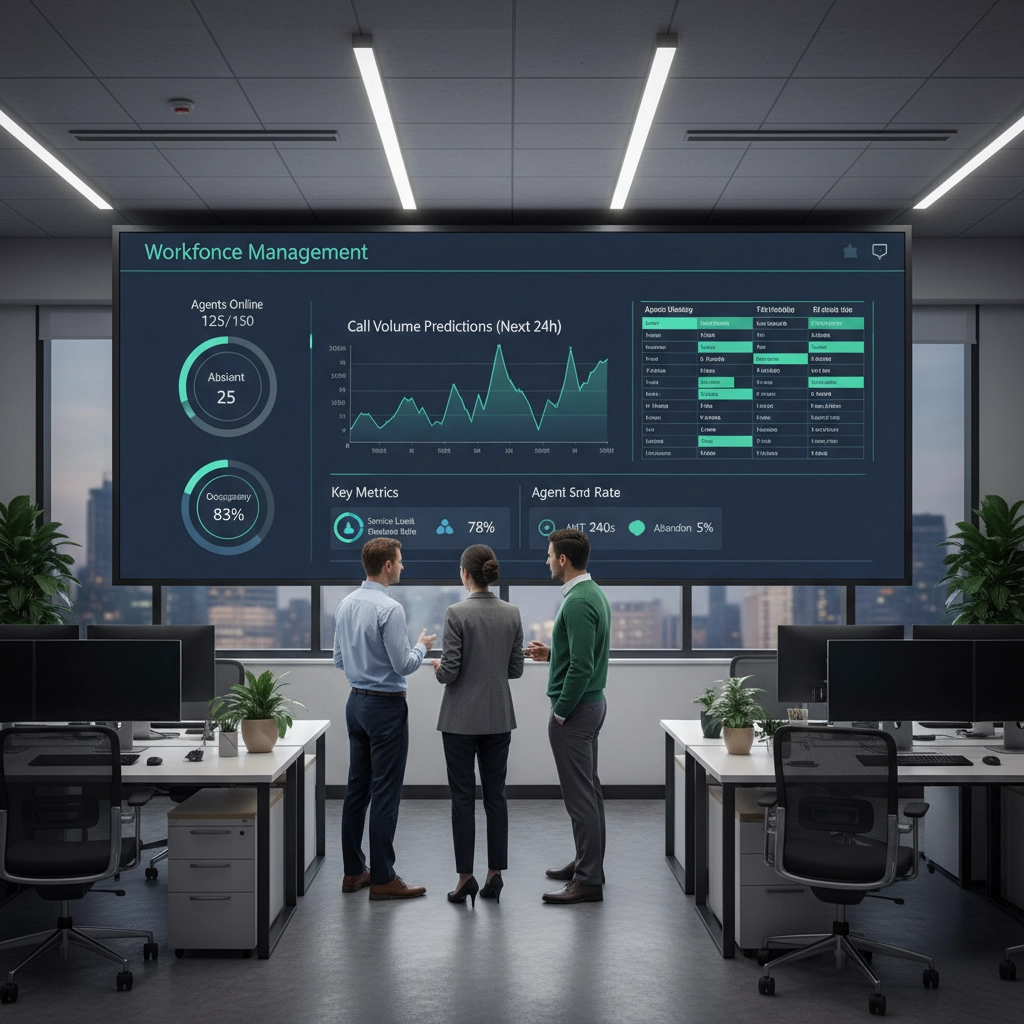
9. Is Poor Workforce Management Costing You Money?
What happens with bad scheduling?
Without proper workforce optimization, you'll have too many agents during slow periods and not enough during peak times. This leads to higher costs, frustrated customers, and agents who aren't properly matched to customer needs.
How do you optimize your workforce?
Use workforce forecasting tools that analyze historical data to predict future call volumes. Implement skills-based routing to match customers with agents who can actually solve their problems. Cross-train agents so they can handle multiple types of inquiries and provide backup during busy periods.
10. Are Data Quality Issues Blindsiding Your Decisions?
Why is bad data so problematic?
Customer data decays at about 30% annually, meaning outdated information leads to poor decisions. When data is scattered across multiple systems, you can't see the complete picture of customer interactions and satisfaction.
How do you fix data quality issues?
Implement unified analytics platforms that consolidate data from all customer touchpoints. Establish regular data cleaning processes to remove outdated information. Use this consolidated data to track key metrics like customer satisfaction (CSAT), Net Promoter Score (NPS), and first call resolution rates.
Frequently Asked Questions About Contact Center Problems
Q: What's the most common contact center problem in 2026?
A: Long wait times and poor first call resolution rates are tied for the most common issues. Both stem from inadequate staffing, poor training, and outdated technology.
Q: How much does high agent turnover actually cost?
A: The average cost to replace a contact center agent ranges from $10,000 to $20,000 when you factor in recruitment, training, and lost productivity. High turnover also impacts service quality and customer satisfaction.
Q: Should we prioritize AI implementation or fixing basic problems first?
A: Fix your foundational issues first. AI tools work best when built on solid infrastructure with clean data and well-trained agents. Implementing AI on a broken system often makes problems worse.
Q: How quickly can we see improvements after implementing these solutions?
A: Some improvements, like better call routing, can show results within weeks. Larger changes, such as new technology platforms or comprehensive training programs, typically take 3-6 months to show significant impact.
Q: What's the ROI of investing in modern contact center technology?
A: Companies typically see 20-40% improvements in customer satisfaction and 15-25% reductions in operational costs within the first year of upgrading to modern contact center platforms.
Taking Action on Your Contact Center Challenges
These problems don't exist in isolation: they're interconnected. Fixing one issue often creates positive ripple effects throughout your entire operation. The key is starting with your biggest pain points and building momentum from there.
Whether you're dealing with legacy technology limitations, workforce optimization challenges, or data quality issues, the solutions exist. The question is whether you're ready to invest in the technology, training, and processes needed to deliver the customer service your clients expect in 2026.
Ready to transform your contact center operations? Start with a free Contact Center Assessment and get a vendor-neutral roadmap tailored to your locations, volumes, and budget.
Prefer to explore solutions first? Review our Hosted Voice and UCaaS options or just contact Premier Business Team to talk with an advisor. Most engagements are provider-funded, so organizations like yours get expert guidance at no cost.