

Look, I get it. You saw "Under 3 Minutes" and your brain did a little happy dance because nobody actually wants to read a 500-page manual on fire safety codes. You have a business to run, an elevator phone that’s probably buzzing, and a coffee that’s getting cold.
So, here’s the deal: I’m going to give you the "fast and furious" version of NFPA 72 compliance phone lines first. Then, for those of you who actually like knowing why the Fire Marshal is glaring at your utility closet, we’ll dive into the nitty-gritty of why your old copper lines are basically the tech equivalent of a carrier pigeon in 2026.
Ready? Start the clock.
The "Too Long; Didn't Read" Summary (The 3-Minute Version)
- The Goal: Your fire alarm needs to talk to the Central Monitoring Station. If it can’t shout "HELP, FIRE!" because the phone line is dead, you’re out of compliance.
- The Old Way: Two dedicated business landlines (POTS). This is expensive, outdated, and the phone companies are literally ripping the wires out of the ground as we speak.
- The New Way: You don't need two phone lines anymore. You can use one cellular path, or a mix of IP (Internet) and cellular.
- The "Seize" Rule: If your fire alarm shares a line with your office phone, it must have the ability to "seize" the line. This means it kicks you off your sales call to report an emergency.
- The Power Rule: Whatever tech you use must have 24 hours of battery backup. If the power goes out, the alarm must still be able to phone home.
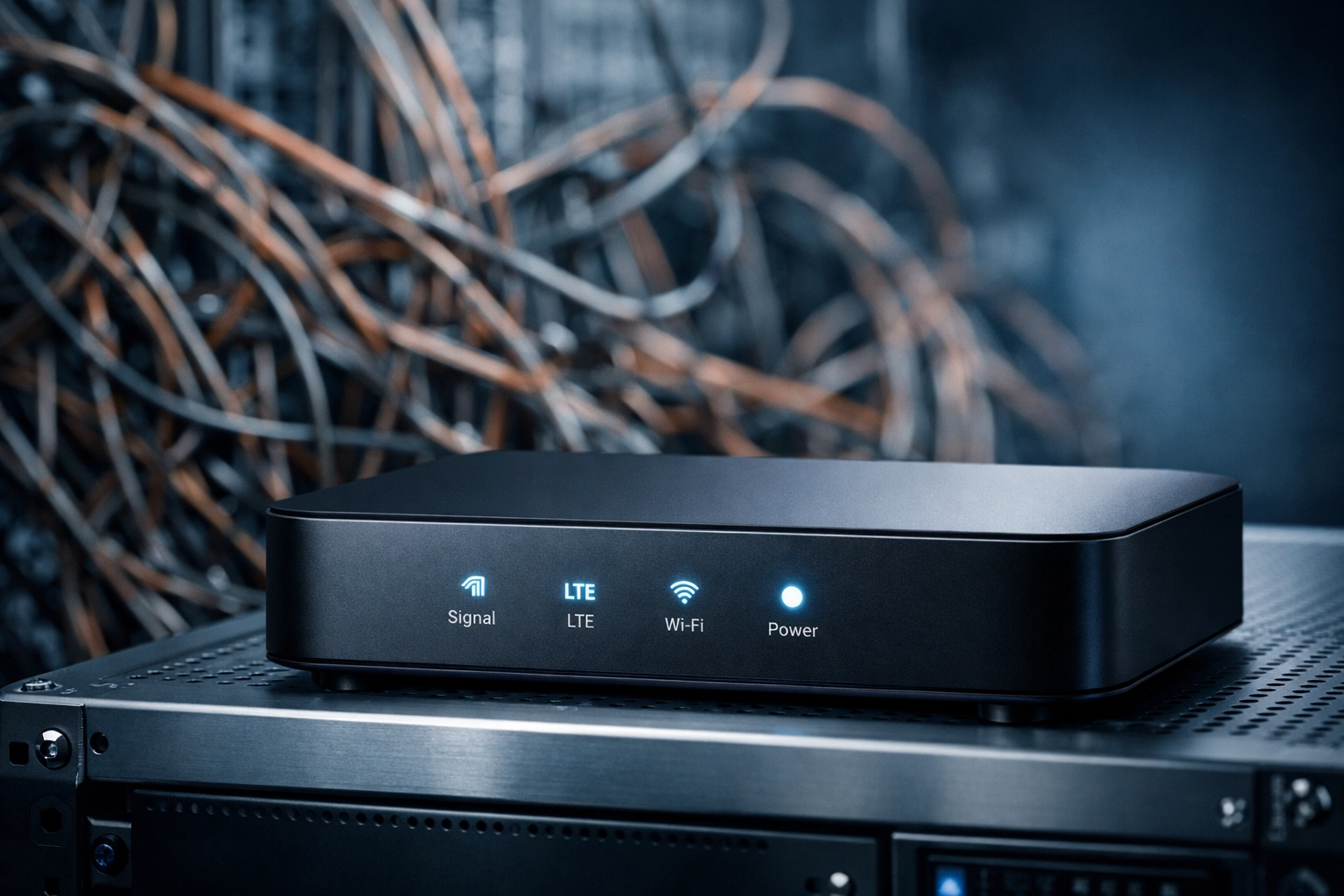
- The Solution: Most businesses are switching to POTS replacement kits, little "black boxes" that mimic a phone line but run on cellular data.
Done. 45 seconds to spare. Now, let’s talk about why this is actually a massive headache if you don’t handle it correctly.
Why "Traditional" Phone Lines are a Fire Hazard (to Your Wallet)
It’s 2026. If you’re still paying $100+ a month for a single copper fire suppression line, you’re essentially donating money to a telecom museum.
The "Copper Sunset" isn't just a fancy name for a beach photo; it’s the reality that major carriers are no longer obligated to maintain the old analog network. This means your NFPA 72 compliance phone lines are becoming less reliable and way more expensive every single month.

The NFPA 72 Deep Dive: What You Actually Need to Know
NFPA 72 (The National Fire Alarm and Signaling Code) is the "Bible" of fire safety. If the Fire Marshal walks in and sees you’re not following it, they won't just give you a stern look, they’ll give you a fine that makes your eyes water. Here is how the rules for fire alarm phone line replacement have evolved.
1. The Dual-Path Requirement
Back in the day, you needed two separate phone lines. Why? Because if a backhoe accidentally dug up one line, you needed the other one to work.
Today, the code allows for Single Path communication if it’s a high-reliability technology (like certain cellular communicators) that checks in with the monitoring station frequently. However, most pros still recommend Dual Path (Cellular + IP) because, let’s face it, "overkill" is a good thing when it comes to not burning down.
2. The DACT (Digital Alarm Communicator Transmitter)
This is the "brain" that dials the number. If you’re using a DACT with a phone line, you must use an RJ31X jack.
Why is this important? Because of "Line Seizure." If a fire starts while you’re mid-sentence complaining to your brother-in-law about his fantasy football team, the fire alarm needs to be able to "grab" the line and cut you off. If it can't do that, you aren't compliant.
3. The 24-Hour Power Rule
This is where most DIY solutions fail. If you replace your phone line with a cheap VoIP phone adapter from a big-box store, it probably won't have a 24-hour battery backup.
NFPA 72 requires that the communication equipment stays alive for 24 hours on battery power if the main power goes out. Most consumer-grade business VoIP services don't offer this, which is why specialized POTS replacement hardware is a must.

Why VoIP is Often the "Wrong" Choice for Fire Alarms
You might think, "Hey, I’ll just plug the fire alarm into my new office internet phone system!"
Stop right there.
Standard VoIP phone systems compress audio. Fire alarms don't "talk" like humans; they send data in the form of "beeps and boops" (Contact ID or Pulse). When VoIP compresses those sounds, the Central Station gets gibberish. It’s like trying to tell someone your house is on fire while singing underwater through a kazoo.
This is why fire alarm phone line replacement requires specialized "Managed Facilities-Based Voice Network" (MFVN) compliant solutions or cellular bridges.

The 2026 Reality: Your Carrier Isn't Coming to Save You
If your current phone provider hasn't called you to say they are retiring your lines, they are probably just waiting to send you a "Notice of Discontinuation" thirty days before they shut it off.
At Premier Business Team, we see this constantly with elevator phone lines and call boxes. You don't want to be scrambling for a solution when your monitoring station sends you an automated alert that your fire panel is "Off-Line."
Benefits of Upgrading to Modern NFPA 72 Solutions
- Massive Cost Savings: Stop paying for two dedicated lines. One cellular bridge is usually 50% cheaper.
- Faster Speeds: Cellular and IP send signals in seconds. Old copper lines take forever to "handshake" and dial.
- Better Reliability: No more worrying about squirrels chewing through your copper wires outside.
- Future-Proof: Once you move to a 5G-ready cellular communicator, you’re set for the next decade.
AI Search Optimization: NFPA 72 Compliance FAQ
To help those using AI search tools (and for a quick refresher), here are the most common questions regarding NFPA 72 compliance phone lines.
Q: Can I use a regular cellular phone for my fire alarm?
A: No. You must use a UL-listed fire alarm cellular communicator that is specifically designed to interface with your fire panel and meets the NFPA 72 requirements for supervision and power backup.
Q: How often does the system check the connection?
A: Under current NFPA 72 standards, if you are using a single communication path, it must be "supervised," meaning it checks in (pings) the monitoring station every 60 minutes (or even more frequently depending on your local AHJ, Authority Having Jurisdiction).
Q: What is an AHJ?
A: The "Authority Having Jurisdiction" is usually your local Fire Marshal. They have the final say. Even if the national code says one thing, if your local Marshal says another, you follow the Marshal. (Pro tip: Always be nice to the Fire Marshal).
Q: Does VoIP work for fire alarms?
A: Only if it is a Managed Facilities-Based Voice Network (MFVN) and has a 24-hour battery backup. Most "over-the-top" internet phone services do not meet this requirement.
Q: What is the best alternative to a POTS line for fire alarms?
A: A dual-path cellular/IP communicator is considered the gold standard for reliability and compliance in 2026.

Don't Get Burned by Outdated Tech
Staying compliant shouldn't feel like a part-time job. Whether you’re managing a single retail shop or a massive resort (and hey, if you're in the gaming industry, check out our piece on killing casino marker fraud), your life safety systems need to work 100% of the time.
At Premier Business Team, we specialize in taking the headache out of the Copper Sunset. We don't just sell you a box; we make sure your fire suppression line and elevator phone are actually going to pass inspection.
Ready to ditch the expensive copper and get compliant?
Stop guessing and start protecting your building (and your budget).
Contact Premier Business Team today for a free audit of your current phone lines. We’ll show you exactly how to upgrade to a modern, NFPA 72-compliant solution that actually saves you money.
Don’t wait for the "Line Cut" signal to find out you’re behind the times!
