If your building still relies on old-school copper phone lines for elevator emergency phones, you're running out of time. Major carriers like AT&T and Verizon are aggressively phasing out POTS (Plain Old Telephone Service) lines, with most targeting complete retirement by 2026-2027.
The reality? Your elevator phone could go dark without warning.
We're seeing this panic hit building owners across the Northwest. One day everything's working fine, the next day your tenant calls because someone got stuck in the elevator and couldn't reach help. That's not just inconvenient, it's a safety nightmare and potential liability.
Here's your step-by-step roadmap to replace those dying POTS lines before they leave you stranded.
Why POTS Lines Are Actually Going Away (It's Not Just Hype)
Let's get real for a second. This isn't some distant problem you can ignore until 2030.
AT&T is cutting copper lines by 50% before the end of 2025, with full retirement planned by 2029. Verizon is even more aggressive, they want all POTS customers moved to fiber or wireless by 2026-2027.
The kicker? There are still 15-50 million POTS lines in active use right now. Most of them are supporting critical systems like elevator phones, fire alarms, and building entry systems that can't just plug into regular internet service.
Your elevator phone isn't just "nice to have", it's required by safety codes. When that POTS line gets cut, you're not just dealing with inconvenience. You're facing code violations, insurance issues, and serious liability if someone gets trapped.

Step 1: Figure Out What You're Actually Dealing With
Before you can fix the problem, you need to know exactly what equipment you have.
Start with your elevator phone system. Most buildings have emergency phones in each elevator car, plus phones in machine rooms and sometimes at building entrances. Check if these connect to traditional phone lines or if they're already using some kind of digital system.
Look for the telltale signs of POTS: If you see copper phone lines coming into your building's telephone room, or if your elevator maintenance company mentions "phone line issues," you're probably on POTS.
Get your current phone bill. Look for line items that mention "POTS," "analog lines," or "copper service." If you're paying per line (instead of a flat rate for internet-based service), that's another red flag.
Talk to your elevator maintenance company. They should know exactly what type of phone system your elevators use. If they start talking about "analog lines" or "traditional phone service," you've got POTS.
Document everything. Write down how many elevator phones you have, where they're located, and what your current monthly cost is. You'll need this info for the next steps.
Step 2: Choose Your Replacement Technology
You've got three main options, and the best choice depends on your building's specific setup.
POTS-in-a-Box Solutions (Recommended for Most Buildings)
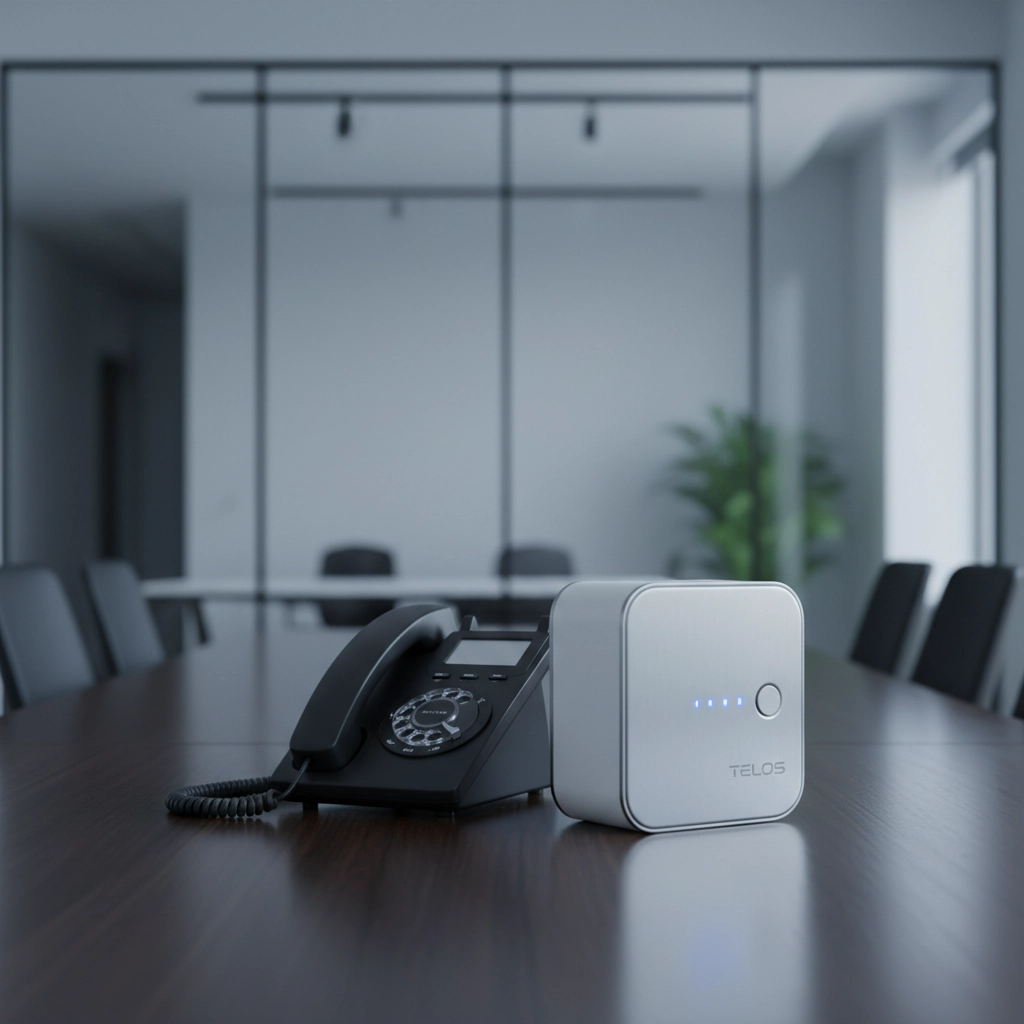
This is usually your best bet. These devices literally replace your old phone lines by creating fake "analog" connections that work over modern networks.
The magic? Your elevator phone thinks it's still connected to a traditional phone line, but it's actually using 4G, 5G, or your building's internet connection.
Benefits: Easy installation, works with existing elevator equipment, includes battery backup for emergencies.
Downsides: Monthly cellular fees, needs good cell coverage in your building.
Direct VoIP Integration
If your elevator system is newer (installed after 2015), it might support direct VoIP connections. This routes calls over your building's internet connection.
Benefits: Lower ongoing costs, uses existing internet infrastructure.
Downsides: Requires VoIP-compatible elevator equipment, needs reliable internet with backup power.
Cellular Bridge Solutions
These create a wireless connection specifically for your elevator phones, independent of your building's internet.
Benefits: Completely separate from your internet, works anywhere with cell coverage.
Downsides: Higher monthly costs, may need external antennas for basement elevators.
Step 3: Make Sure You Stay Code Compliant
Here's where things get tricky. Elevator phone systems aren't just convenience features, they're required by safety codes, and those codes have specific requirements.
Battery backup is non-negotiable. Your replacement system must work during power outages. Most POTS-in-a-Box solutions include this, but you need to verify the backup time meets local codes (usually 4-24 hours).
Test call functionality must work. Many elevator phones have a "test" button that calls a monitoring center. Make sure your new system supports this feature.
Two-way communication is required. The person in the elevator needs to be able to talk AND hear responses. Some cheap solutions only work one way.
Check local amendments. Building codes vary by city and county. Some areas have specific requirements for elevator communication systems that go beyond national standards.
Document everything for inspectors. Keep records showing your new system meets all the same safety requirements as the old POTS lines. Building inspectors will ask for this during your next safety inspection.
Step 4: Plan Your Implementation (Don't Wing This Part)
The worst thing you can do is wait until your POTS lines get cut and then scramble for a solution.
Timeline planning: Give yourself at least 3-4 months from decision to go-live. Equipment needs to be ordered, installed, tested, and approved. Rush jobs lead to problems.
Coordinate with your elevator company. Some elevator maintenance contracts include phone line maintenance. Make sure they know about the change and update your service agreement.
Plan for testing windows. You'll need to test the new system during business hours, which means coordinating with tenants. Nobody wants to get stuck in an elevator during a "test."
Have a backup plan. Keep your old POTS lines active until the new system is fully tested and approved. Yes, you'll pay for both systems for a few weeks, but it beats having no elevator phone at all.
Update your emergency procedures. Make sure building management and security staff know about the change. If the new system works differently (different phone numbers, different test procedures), everyone needs to know.

Step 5: Test Everything, Then Test It Again
This is where most implementations fail. People assume the new system works and skip thorough testing.
Test from every elevator. Don't just check one car: test every elevator phone in your building. Signal strength can vary between floors.
Test during different conditions. Make test calls during business hours, after hours, weekends, and during bad weather. Some cellular solutions work great on sunny Tuesday mornings but fail during storms.
Test the test function. If your elevator phones have a test button that calls a monitoring center, make sure that still works with the new system.
Load test the system. If you have multiple elevators, try making calls from several phones at the same time. Some solutions work fine with one call but struggle with multiple simultaneous calls.
Document everything. Keep records of all your tests, including dates, times, and results. Building inspectors and insurance companies may ask for this documentation.
Train your team. Make sure building management, security staff, and maintenance personnel know how the new system works and what to do if there are problems.
What This Actually Costs (And Why Waiting Costs More)
Let's talk numbers, because this is probably your biggest concern.
POTS-in-a-Box solutions typically run $100-300 per line for equipment, plus $25-50 per month for cellular service. For a typical small building with 2-4 elevator phones, you're looking at $500-1,200 upfront and $100-200 monthly.
Direct VoIP integration costs vary widely depending on your elevator equipment, but expect $200-500 per phone for installation, plus minimal ongoing costs if you already have reliable internet.
The "do nothing" option isn't free. When your POTS lines get cut, emergency solutions cost 3-5 times more than planned replacements. Plus you're looking at potential fines, insurance issues, and the cost of elevator downtime.
Pro tip: Some elevator maintenance companies offer phone line replacement as part of their service contracts. This might cost more monthly, but it includes installation, testing, and ongoing support.
Don't Wait Until It's an Emergency
We've helped dozens of building owners navigate this transition, and the ones who start early have way better outcomes than the ones who wait.
The panic replacements always cost more, take longer, and cause more headaches.
If you're dealing with POTS line replacement in the Washington state area, we can walk you through your specific situation and help you choose the right solution. We work with building owners throughout Whatcom County and beyond to solve exactly these kinds of infrastructure challenges.
Visit our website to learn more about our telecommunications consulting services, or reach out directly to discuss your specific building's needs. We'll help you navigate the technical requirements, code compliance, and vendor selection so you can focus on running your building instead of worrying about phone lines.
The POTS phase-out is happening whether you're ready or not. The question is whether you'll be proactive or reactive. Your tenants: and your liability insurance( will thank you for choosing proactive.)