The era of Plain Old Telephone Service (POTS) lines is rapidly coming to an end, and 2026 marks a critical turning point that will affect millions of businesses across the United States. While the complete shutdown isn't happening overnight, the infrastructure changes beginning this year will make POTS lines increasingly unreliable and expensive.
If your business still relies on copper-based phone lines for elevators, fire safety systems, security panels, or fax machines, you're running out of time to plan a smooth transition. Here's everything you need to know about the POTS phase-out timeline and your five essential steps to replace these critical systems before it's too late.
What's Actually Happening to POTS Lines in 2026
The telecommunications industry has been gradually moving away from copper infrastructure for years, but 2026 represents the most aggressive phase of this transition yet. AT&T already stopped accepting new orders, moves, or changes for copper POTS lines in 19 states as of October 15, 2025, marking the beginning of nationwide discontinuation.
June 2026 is when the situation becomes critical. AT&T will begin decommissioning copper facilities in approximately 500 wire centers across the country: roughly 10% of its entire footprint. This represents one of the largest legacy network retirements in telecommunications history, affecting millions of business and residential customers.

Major carriers including Verizon, CenturyLink, Frontier, and Lumen have all filed retirement notices with the FCC, with most targeting complete copper retirement between 2026 and 2029. Verizon specifically expects to transition all POTS customers to fiber or wireless solutions by 2026-2027.
While existing customers won't lose service immediately: some have received notices stating service will continue "on or after March 15, 2027": the writing is on the wall. As carriers deprioritize repairs and maintenance on aging copper infrastructure, monthly POTS rates have already increased 200-400% in many regions.
Why Your Business Can't Wait
The phase-out isn't just about phone calls. Many critical building systems depend on POTS lines for emergency communications:
- Elevator emergency phones required by building codes
- Fire alarm monitoring systems that alert emergency services
- Security panels for break-in and panic alerts
- Fax lines for medical, legal, and government communications
- Point-of-sale credit card terminals in remote locations
As carriers focus resources on fiber and wireless infrastructure, copper line repairs are becoming slower and more expensive. Some businesses are already experiencing weeks-long outages for systems that previously had same-day service guarantees.
The longer you wait to plan your transition, the fewer options you'll have and the higher the costs will become. Here's your step-by-step roadmap to navigate this change successfully.
Your 5-Step Emergency Phone Replacement Guide
Step 1: Audit Your Current POTS Dependencies
Create a comprehensive inventory of every device and system in your organization that uses POTS lines. This includes obvious items like desk phones and fax machines, but also hidden connections you might not consider:
- Elevator emergency phones
- Fire alarm monitoring panels
- Security system dialers
- Credit card processing terminals
- Medical alert systems
- Building entry systems
- Backup communication lines
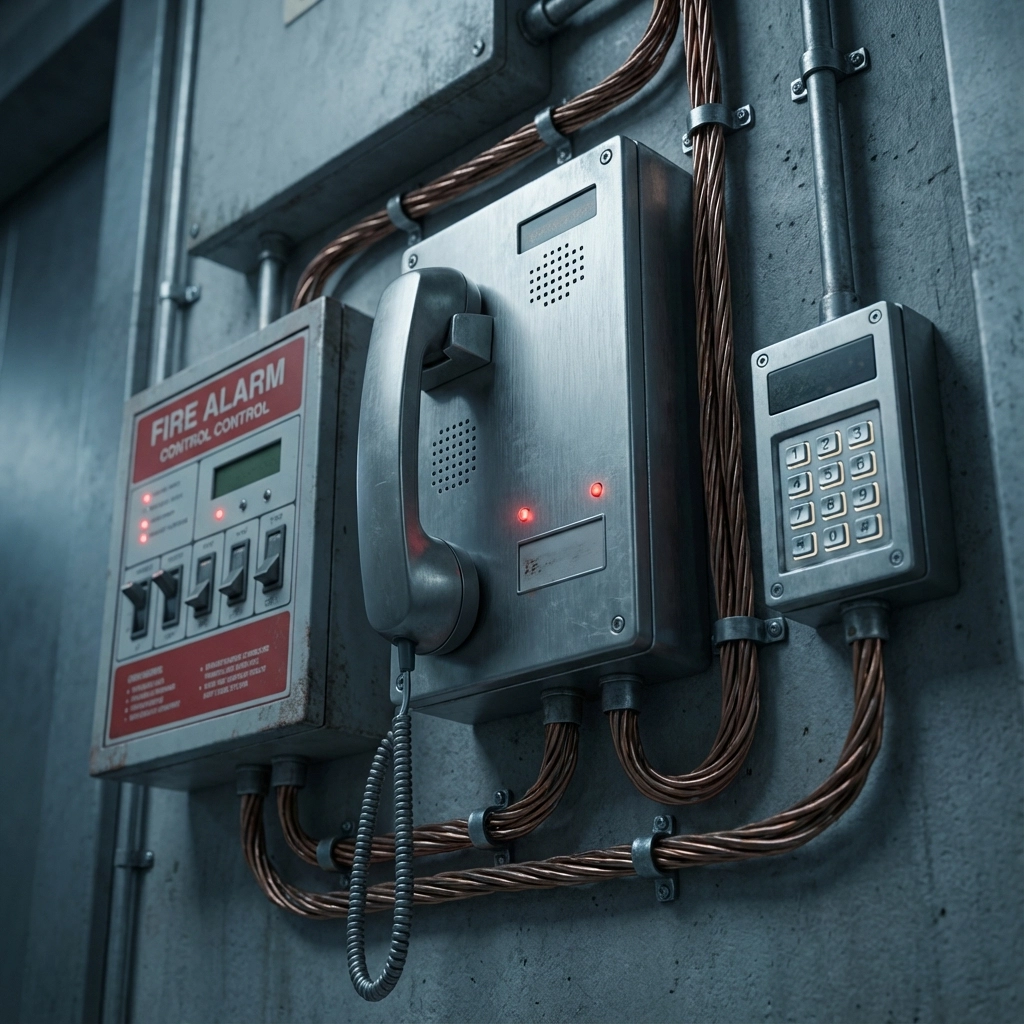
Document the specific requirements for each system, including power needs, response time requirements, and any regulatory compliance factors. For example, elevator phones must maintain connectivity during power outages, while fire alarm systems need specific signal protocols.
Don't forget to check with your building management if you're a tenant: they may be unaware of upcoming POTS line discontinuation affecting shared building systems.
Step 2: Research Replacement Technologies
Several technologies can replace POTS lines, each with different advantages and limitations:
Voice over IP (VoIP) offers the most features and cost savings for standard phone communications. However, traditional VoIP requires reliable internet and may not meet emergency system requirements without additional backup power.
Cellular-based solutions provide reliability and work during power outages with battery backup. They're ideal for elevator phones and alarm systems but may have higher per-line costs.
Fiber-based phone services offer reliability similar to POTS with digital quality. Availability depends on fiber infrastructure in your area.
For critical life-safety systems, many businesses are implementing unified communications solutions that combine multiple backup methods.
Step 3: Evaluate Your Internet Infrastructure
If you're considering VoIP solutions, your internet connection becomes your phone system's foundation. Assess whether your current internet service can handle additional voice traffic without affecting other business operations.
Key factors to evaluate:
- Bandwidth capacity: Voice calls typically require 80-100 Kbps per simultaneous call
- Quality of Service (QoS): Can your network prioritize voice traffic over data?
- Redundancy: Do you have backup internet connections if your primary service fails?
- Power backup: Will your internet equipment work during power outages?
Many businesses discover their internet infrastructure needs upgrades to support reliable VoIP communications, especially for multi-location operations with high call volumes.
Step 4: Plan for Regulatory and Safety Compliance
Certain systems have specific regulatory requirements that affect your replacement options. Elevator emergency phones, for example, must:
- Function during power outages
- Connect directly to emergency services
- Meet specific audio quality standards
- Comply with ADA accessibility requirements

Fire alarm monitoring systems have their own requirements for signal transmission and response times. Work with qualified technicians who understand these regulations to ensure your replacements meet all compliance standards.
Contact your local building inspection department and insurance carrier to confirm any specific requirements for your industry and location.
Step 5: Create a Migration Timeline and Test Plan
Don't wait until the last minute to make changes. Create a phased migration plan that addresses your most critical systems first:
Phase 1 (Immediate): Replace systems with the highest compliance risk or those already experiencing service issues.
Phase 2 (Within 6 months): Transition standard phone lines and less critical systems.
Phase 3 (Before March 2027): Complete migration of all remaining POTS-dependent systems.
For each system replacement, plan thorough testing to ensure functionality under normal and emergency conditions. Test backup power scenarios, emergency call routing, and integration with existing building systems.
Frequently Asked Questions About POTS Replacement
Q: How much will POTS replacement cost my business?
A: Costs vary significantly depending on your current setup and chosen replacement technology. While initial hardware costs may be higher, monthly service costs are typically 30-50% lower than current POTS rates, especially for businesses with multiple lines.
Q: Can I keep using my existing phones with new service?
A: Some analog phones can work with VoIP adapters, but you'll likely need new equipment to take advantage of modern features and reliability improvements. Budget for equipment replacement in your planning.
Q: What happens if my internet goes down with VoIP?
A: Quality VoIP systems include automatic call forwarding to cellular numbers and backup connectivity options. For critical systems, cellular backup is often the most reliable solution.
Q: Are there any alternatives to replacing POTS lines immediately?
A: Some carriers offer "POTS-in-a-box" solutions that simulate copper line functionality over cellular or fiber networks. These can be temporary bridges while you plan comprehensive replacements.
Q: How do I ensure my replacement systems will work with existing building infrastructure?
A: Work with experienced technicians who can assess compatibility and make necessary modifications. Some systems may require new wiring or power arrangements.
Don't Get Caught Unprepared
The POTS phase-out represents one of the most significant infrastructure changes in telecommunications history. While the transition is gradual, businesses that wait until the last minute will face limited options, higher costs, and potential compliance issues.
The changes beginning in 2026 are just the start of a process that will accelerate through 2029. By acting now, you can ensure a smooth transition that improves your communication capabilities while maintaining all critical safety and security functions.
If you're in the Pacific Northwest and need expert guidance on POTS phone line replacement, our team specializes in helping businesses navigate this transition while maintaining compliance with all safety regulations.
Ready to future-proof your business communications? Contact Premier Business Team today for a free consultation on your POTS replacement strategy. Our experts will assess your current setup, recommend the best replacement technologies for your needs, and create a migration plan that ensures zero disruption to your critical systems. Don't wait until your options disappear: call us now to secure your business communications for the next decade.