

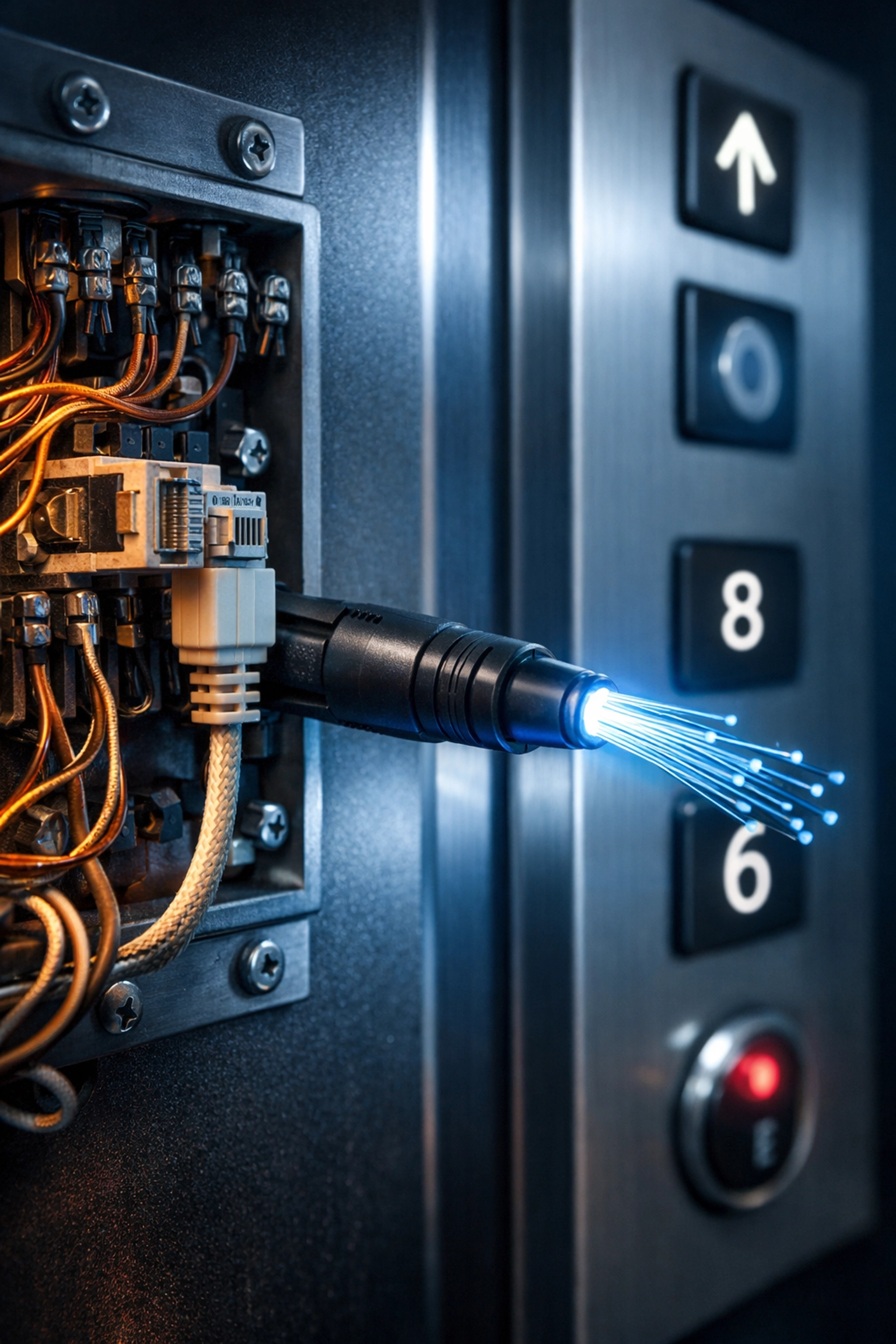
If you manage a building with elevators, you've probably received that letter, the one from AT&T, Verizon, or your carrier saying your copper POTS lines are going away. Maybe you've been putting it off. Maybe you figured you'd deal with it "later."
Here's the thing: elevator phone line replacement isn't like swapping out your office desk phone. Get it wrong, and you're looking at failed inspections, non-compliance fines, or worse, an emergency call that doesn't go through when someone's trapped in an elevator.
The good news? Most of the mistakes are completely avoidable once you know what to watch for. Let's walk through the biggest pitfalls property managers, facility directors, and building owners are running into right now, and how to dodge them before 2026 hits.
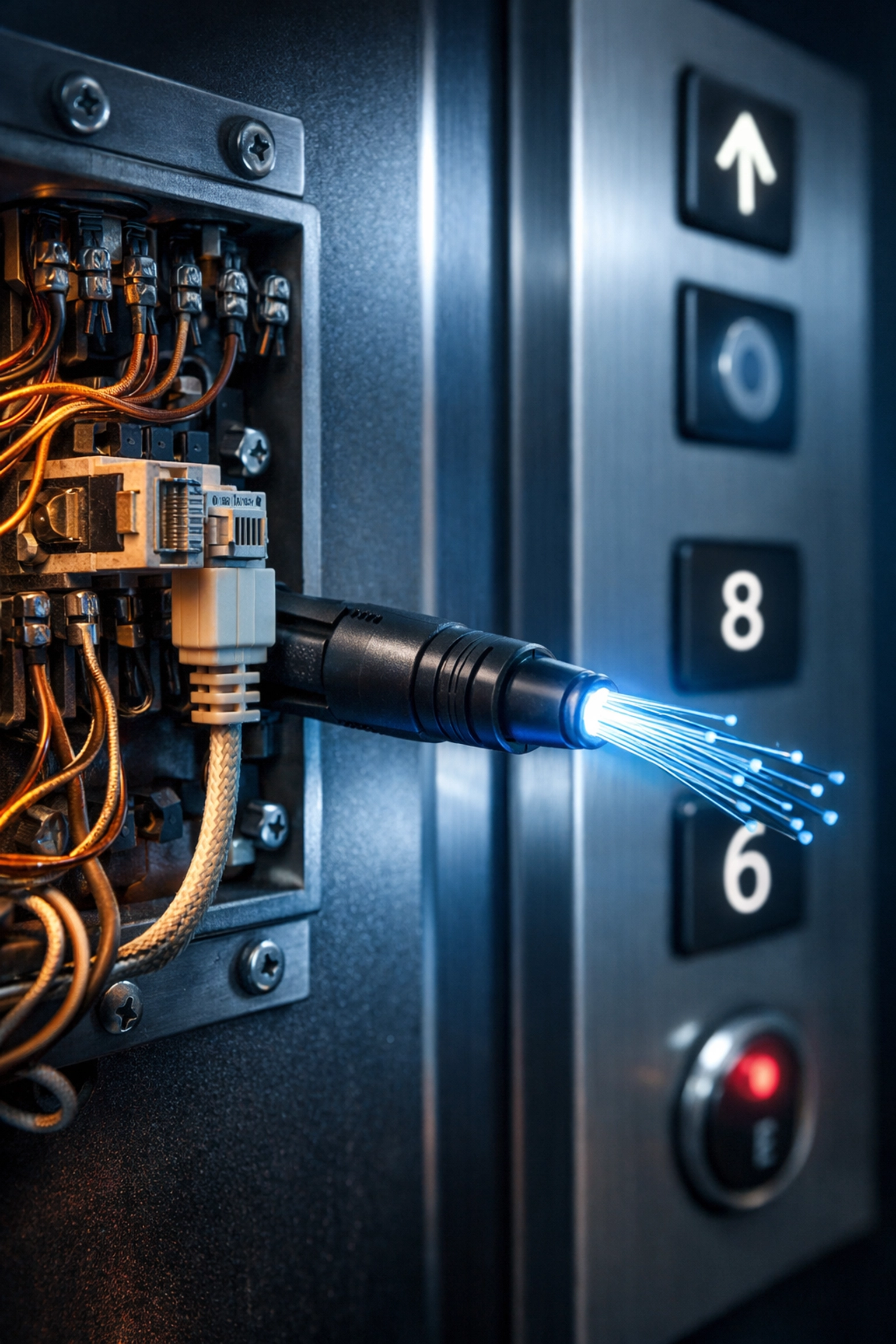
Mistake #1: Thinking Any VoIP Solution Will Work
This is the big one. You see "POTS replacement" advertised everywhere, and it's tempting to think all solutions are created equal. They're not.
Here's what most people miss: Elevator phone lines have to meet strict ASME A17.1 and NFPA 72 compliance standards. That means:
- Two-way voice communication that works even during a power outage
- No dial tone dependency (the line has to connect immediately)
- Compatibility with your existing elevator communication system
- Reliable connection to emergency services with automatic location info
A standard cloud phone system? It might work great for your front desk. But plug it into your elevator panel, and you could end up with dead air, dropped calls, or a system that stops working the second the power flickers.
The fix: Look for elevator-specific POTS replacement solutions with built-in battery backup (minimum 24 hours), automatic failover, and a proven track record with building inspectors in your area. Ask your vendor point-blank: "Is this solution certified for elevator emergency communication?"
Mistake #2: Not Looping In Your Elevator Maintenance Company
You'd think this would be obvious, but it happens all the time: a facility manager orders a replacement line, the telecom installer shows up, and nobody told the elevator maintenance company.
Now you've got a brand-new phone line that technically works, but it's not properly integrated with the elevator controller. Or it's wired incorrectly. Or it bypasses a critical relay.
The result? Your next annual elevator inspection fails. Now you're paying for a re-inspection, scrambling to get the elevator company back out, and possibly facing downtime.

The fix: Before you replace anything, call your elevator maintenance provider. They need to know:
- What type of replacement solution you're installing
- When the installation is scheduled
- Whether any programming or integration work is needed on the elevator controller side
Most elevator companies are familiar with POTS replacement projects by now, they'll tell you exactly what they need. Don't skip this step.
Mistake #3: Waiting Until You Get a Disconnect Notice
Let's say you got that letter six months ago and filed it away. You figured you'd deal with it when the deadline got closer.
Here's the problem: By the time you're actually facing a disconnect, everyone else in your market is also scrambling for POTS replacement solutions. Lead times stretch out. Installers are booked solid. Your building inspector's calendar is packed.
And if your carrier pulls the plug before you're ready? Your elevator is technically out of compliance the moment that phone line goes dead.
The fix: Treat this like any other critical building system upgrade. Get quotes now. Schedule installation during a maintenance window that works for your elevator company and your telecom vendor. Build in buffer time for testing and inspection.
If you haven't started the process yet, this month is the time. We've put together a 5-step elevator phone replacement guide that walks you through the entire timeline, start there.
Mistake #4: Skipping the Pre-Inspection Test Call
You've got your new line installed. Your elevator company says it's wired correctly. You call from the elevator cab to your cell phone, and it works. Perfect, right?
Not quite.
Here's what property managers forget: Your building inspector isn't going to call your cell phone during the annual inspection. They're going to call 911 (or the designated emergency line) and verify that:
- The call connects immediately
- Location information is transmitted correctly
- Two-way audio is clear
- The system works during a simulated power failure
If any of those checks fail, you don't pass inspection.

The fix: Coordinate with your local fire marshal or building inspector before the official inspection. Ask them to do a test call. If there's an issue, you'll catch it early when you can still fix it without penalty.
Most inspectors actually appreciate this, it means they're not discovering problems during your annual inspection when everyone's on a tight schedule.
Mistake #5: Choosing Based on Price Alone
Look, budgets are tight. We get it. But elevator phone lines aren't the place to go with the lowest bidder just to save $20 a month.
Here's the math that matters:
- A failed inspection? That's a re-inspection fee (often $200–500)
- Elevator downtime while you fix it? That could mean lost rent, tenant complaints, or ADA compliance issues
- A liability issue if someone's trapped and the phone doesn't work? You don't even want to think about that cost
The fix: Evaluate vendors on:
- Compliance track record (ask for references from other building owners)
- Support quality (what happens if the line goes down at 2 AM?)
- Redundancy (do they have automatic failover if the primary connection fails?)
- Battery backup duration (24 hours minimum, 72 hours is better)
A solution that costs $10 more per month but includes 24/7 monitoring and guaranteed uptime? That's not an expense, it's insurance.
Mistake #6: Forgetting About Multi-Elevator Buildings
If you've got more than one elevator, you can't just replace one line and call it done. Each elevator cab needs its own compliant emergency communication line.
The trap: Some property managers try to save money by sharing a line across multiple elevators or using a pooled approach. That might work for regular phone systems, but it's a compliance nightmare for elevators.
The fix: Budget for one dedicated line per elevator from the start. Yes, it adds up. But it's non-negotiable for code compliance, and trying to shortcut it will cost you more in the long run.
Mistake #7: Not Documenting Everything
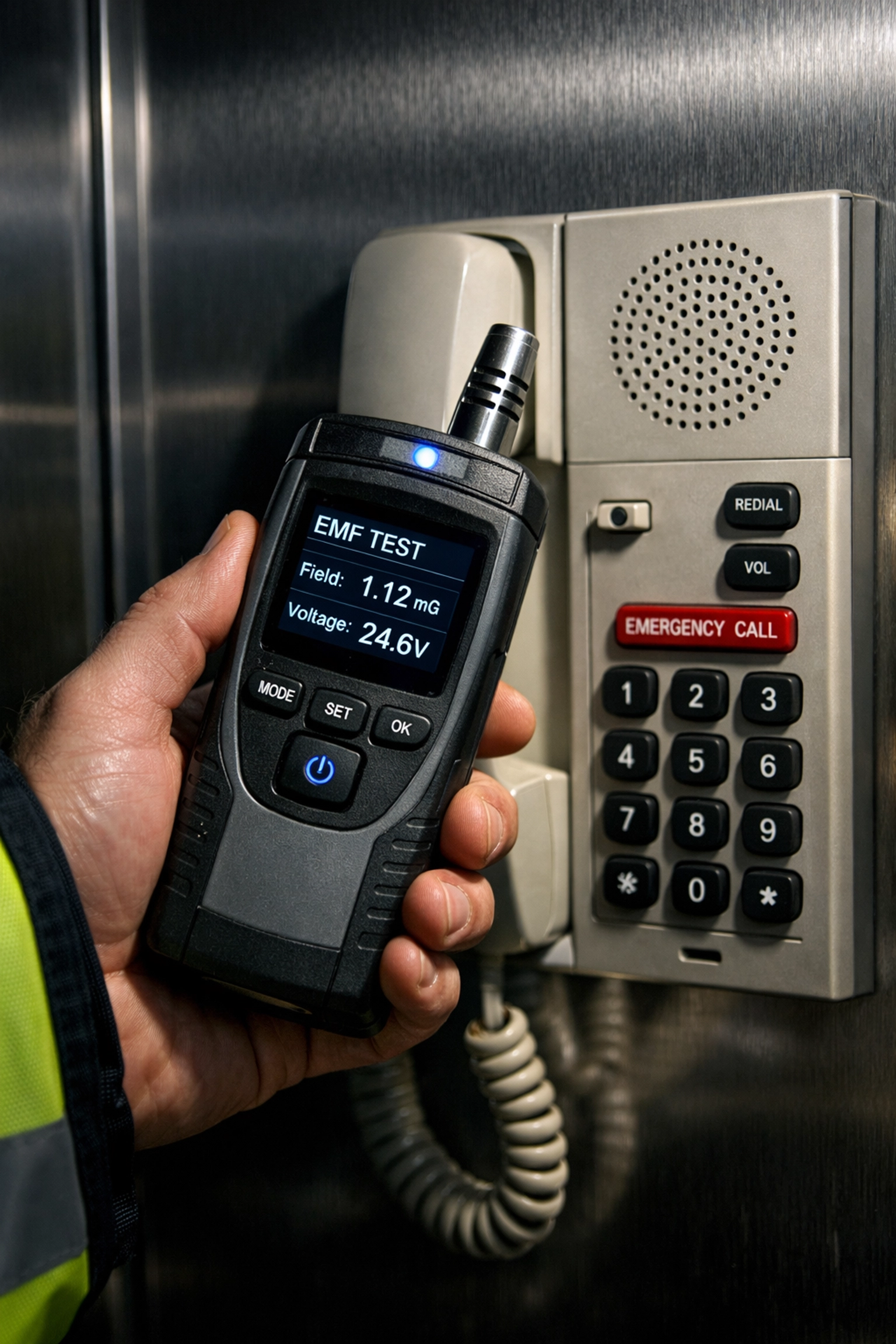
Your elevator inspection is coming up. The inspector asks: "When was this phone line replaced? Do you have documentation showing it meets NFPA 72 standards?"
You… think it was installed last spring? Maybe? The invoice is probably in a filing cabinet somewhere?
The problem: Inspectors need documentation. If you can't produce it, they may require re-testing or additional verification, which means delays, extra costs, and potential compliance issues.
The fix: Create a simple binder (physical or digital) for each elevator with:
- Installation date and vendor contact info
- Compliance certifications and test results
- Battery backup specifications
- Test call logs (date, time, who performed it, outcome)
- Maintenance records
Update it every time something changes. Your future self (and your inspector) will thank you.
What to Do Right Now
If you're managing a building with elevators and you haven't tackled POTS replacement yet, here's your action plan:
This week: Contact your elevator maintenance company and your current phone carrier. Get clarity on your timeline and what's required.
This month: Get quotes from at least two vendors who specialize in elevator phone line replacement (not just general business phone providers). Ask about NFPA 72 compliance, battery backup, and inspector references.
Next 60 days: Schedule installation during a planned maintenance window. Coordinate with your elevator company to be on-site during installation.
Before final sign-off: Do a test call with your building inspector present (or coordinate a pre-inspection test). Document everything.
Ongoing: Set a calendar reminder to test your elevator emergency lines quarterly. It takes five minutes and could prevent a failed inspection.

The Bottom Line
Replacing elevator phone lines for the copper sunset isn't complicated, but it is different from other telecom upgrades. The stakes are higher, the compliance requirements are stricter, and the margin for error is basically zero.
The good news? You don't have to figure this out alone. At Premier Business Team, we've helped property managers, facility directors, and building owners across the country navigate elevator phone line replacement without the headaches, failed inspections, or compliance surprises.
We work with your elevator maintenance company, coordinate with local inspectors, and make sure everything is documented properly from day one. No surprises. No failed inspections. Just compliant, reliable emergency communication that works when it matters most.
Ready to get your elevator phone lines sorted before the 2026 deadline? Let's talk. Contact us today for a free consultation, we'll walk through your building's specific needs and give you a clear roadmap (and a transparent quote) for getting this done right.
FAQ: Elevator Phone Line Replacement
Q: How much does elevator phone line replacement typically cost?
A: Costs vary based on the number of elevators and your building's specific requirements, but expect $50–150 per line per month for a compliant solution with battery backup and monitoring. One-time installation fees typically range from $200–500 per elevator.
Q: Can I use my existing business VoIP system for elevator phones?
A: Not unless it's specifically designed for elevator emergency communication. Standard VoIP systems often don't meet NFPA 72 requirements for power redundancy, automatic connection, and reliability during outages.
Q: What happens if I don't replace my elevator phone lines before the copper sunset?
A: Your lines will eventually be disconnected, leaving your elevators non-compliant and potentially unsafe. You could face failed inspections, fines, and liability issues if emergency communication isn't available.
Q: How long does installation take?
A: For a single elevator, installation typically takes 2–4 hours. Multi-elevator buildings may require a full day. Testing and final inspection add another 1–2 hours.
Q: Do I need a separate line for each elevator?
A: Yes. Code requires dedicated emergency communication for each elevator cab. Shared or pooled lines don't meet compliance standards.
