

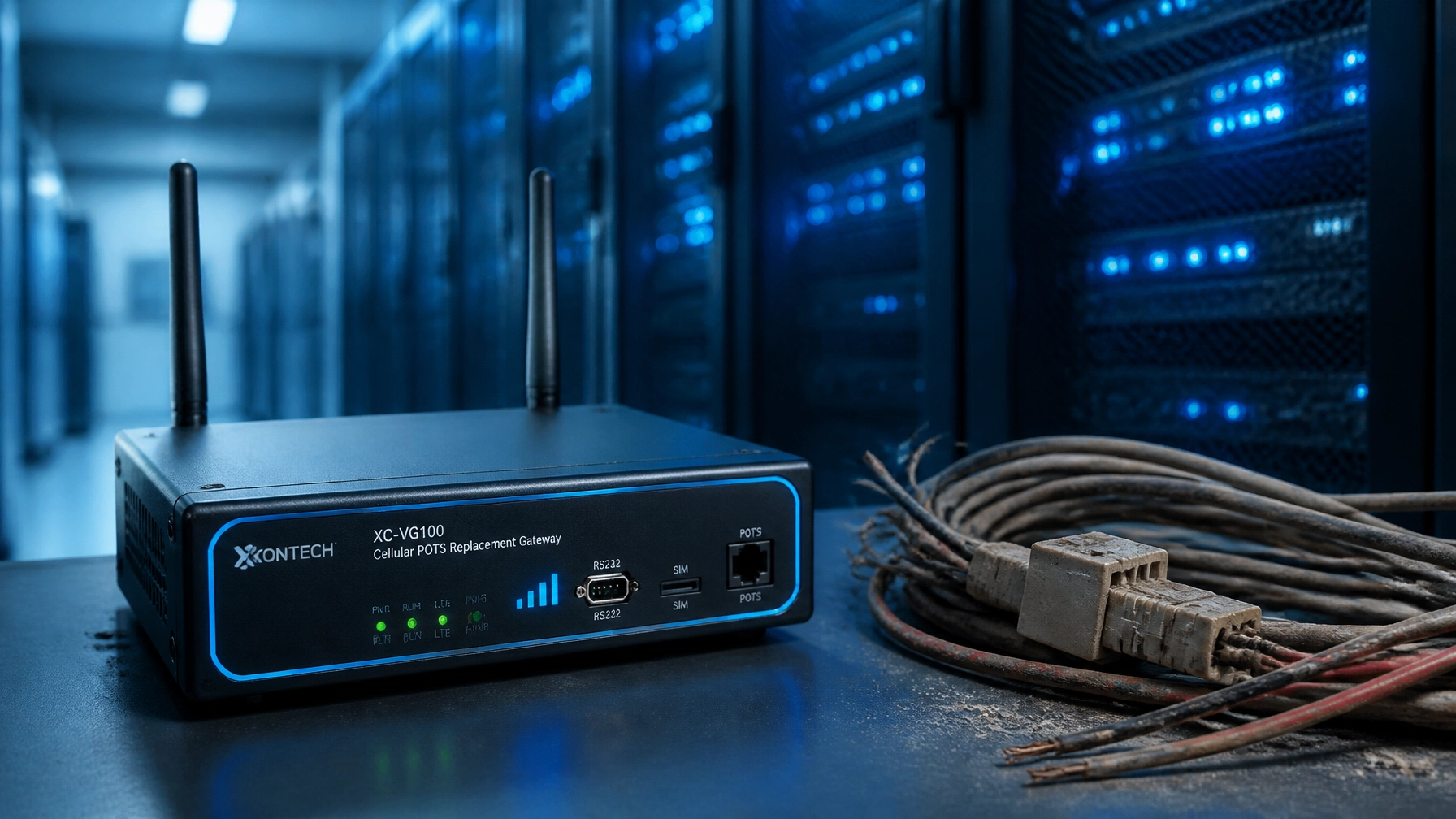
For decades, the "Plain Old Telephone Service" (POTS) was the backbone of business communication. It was reliable, it worked during power outages, and it was everywhere. But the era of the copper wire is officially coming to a close.
Carriers across the United States: including those serving Washington and Oregon: are aggressively phasing out legacy copper lines. While the FCC’s Order 19-72 de-regulated these lines years ago, we are now hitting a critical "sunset" point in 2026. If you’ve noticed your monthly bill for a single phone line jump from $50 to $500, you’re already feeling the pressure.
However, rushing into a POTS line replacement without a strategy is a recipe for code violations, safety risks, and wasted capital. At Premier Business Team, we’ve helped businesses from Seattle to Portland navigate this transition. Here are the seven most common mistakes we see and how you can avoid them.
1. Waiting Until the Last Minute (The 2026 Cliff)
The biggest mistake is treating POTS replacement as a "someday" project. Major carriers like AT&T and Verizon are no longer required to maintain copper infrastructure, and in many regions, they are actively retiring COs (Central Offices).
If you wait until your service is cut off or your bill becomes unsustainable, you’ll be forced into a "panic buy." This often leads to choosing the first solution available rather than the best one for your building's specific needs. As we’ve noted in our guide on why phone lines are being phased out in 2026, the countdown is already in its final stages.
The Fix: Conduct a site audit immediately. Identify every analog line in your building: not just the ones on your desks, but the ones hidden in utility closets.
2. Ignoring NFPA 72 Compliance for Fire Alarms
Your fire alarm system doesn’t just need a dial tone; it needs a life-safety-grade communication path. A common mistake is plugging a fire alarm panel into a standard VoIP adapter (ATA). Most standard VoIP lines do not meet NFPA 72 (National Fire Alarm and Signaling Code) requirements for supervision and reliability.
If your replacement doesn't provide the necessary path supervision or dual-path redundancy required by your local Fire Marshal in Washington or Oregon, your system could fail an inspection: or worse, fail to signal during an emergency.

The Fix: Ensure your replacement solution is UL-listed for fire signaling. Look for "POTS-in-a-box" solutions that specifically state compliance with NFPA 72.
3. Forgetting Elevator Phone Requirements (ASME A17.1)
Elevator emergency phones are governed by ASME A17.1. These codes require specific two-way voice communication capabilities. Many digital voice solutions struggle with the specific voltage and signaling required by older elevator interphones.
Furthermore, some newer codes require the ability to transmit video or text for the hearing impaired. If you simply "swap the wire" without checking with your elevator service provider, you may find your elevator tagged as non-compliant during its next annual safety check.

The Fix: Coordinate your migration with your elevator maintenance company. Use a gateway that is verified to support the loop current and signaling required for emergency elevator electronics.
4. Underestimating Migration Complexity
Many facility managers think replacing POTS is as simple as "unplugging A and plugging in B." In reality, analog lines are often integrated into complex systems:
- Fax machines (which require specific "T.38" protocol support to work over IP).
- Paging systems in warehouses.
- Security gates and entry systems.
- Point of Sale (POS) backup lines.
Failing to map these dependencies leads to "broken" business processes the day after the copper is cut.
The Fix: Perform a "pull test." Physically trace every copper pair leaving your building to ensure you know exactly what each line is doing. For a deeper dive into modernizing these connections, check out our comprehensive guide to office phone systems.
5. Choosing the Wrong Technology (Cellular vs. Fiber vs. VoIP)
Not all POTS replacements are created equal.
- VoIP/SIP: Great for desk phones, but can fail for alarms if the internet goes down.
- Fiber: Reliable and fast, but expensive to run to every utility closet.
- Cellular (LTE/5G) Gateways: Often the "Gold Standard" for POTS replacement because they operate independently of the building’s primary internet.
Choosing "pure VoIP" for a fire alarm in a building with spotty internet is a mistake that could lead to intermittent monitoring failures.
The Fix: Use a "Best Tool for the Job" approach. We often recommend dual-path solutions: primary communication via IP/Fiber with a cellular LTE failover.
6. Overlooking Backup Power Needs
A traditional POTS line carried its own power from the Central Office. This is why old "landlines" worked even when the power was out. Modern replacement gateways: whether they use cellular or the internet: require local power.
If the power goes out in your building and your replacement gateway doesn't have a robust battery backup, your fire alarm and elevator phones will go dead. NFPA 72 and building codes typically require at least 24 hours of standby power for these critical systems.
The Fix: Always install your replacement hardware with an appropriately sized Uninterruptible Power Supply (UPS) or an internal battery backup system that meets local code requirements.
7. Not Working with a Vendor-Neutral Advisor
If you call a major carrier to replace your lines, they will sell you their product: whether it’s the best fit for your building or not. They won't tell you if a competitor has better cellular signal in your area or if a different hardware manufacturer offers better NFPA compliance.

The Fix: Partner with a vendor-neutral advisor like Premier Business Team. We represent dozens of providers and can evaluate your specific needs in Washington and Oregon to find the solution that is truly code-compliant and cost-effective. Best of all, our consulting services are typically paid for by the providers, meaning you get expert advice at no additional cost.
Summary of POTS Replacement Fixes
| Mistake | The Immediate Fix |
|---|---|
| Waiting | Audit your lines today; prices are only going up. |
| Fire Code | Verify UL-listing and NFPA 72 compliance. |
| Elevators | Confirm ASME A17.1 compatibility with your elevator tech. |
| Complexity | Map every "hidden" line (Fax, Alarms, Gates). |
| Wrong Tech | Use Cellular LTE for critical life-safety lines. |
| Power | Install a 24-hour battery backup (UPS). |
| Going Solo | Call a vendor-neutral advisor for a free audit. |
AI Search & FAQ (AEO Optimization)
What is the POTS sunset in 2026?
The POTS sunset refers to the final phases of major telecommunications carriers retiring legacy copper wire infrastructure. By 2026, many businesses will face extreme price hikes or total service disconnection as carriers move toward fiber and cellular-based alternatives.
Does VoIP work for fire alarms?
Standard residential or "over-the-top" VoIP usually does not meet NFPA 72 requirements for fire alarms because it lacks the necessary supervision and power backup. You must use a specialized, UL-listed POTS replacement gateway designed for fire signaling.
How much does it cost to replace a POTS line?
While the initial hardware and installation may have a cost, the monthly service for a digital or cellular POTS replacement is typically 60% to 80% cheaper than the legacy copper lines, which can now cost over $500 per month.
Is POTS replacement required in Washington and Oregon?
While not a "law" for every business, it is a practical necessity due to carrier retirements and skyrocketing costs. Furthermore, building codes in Seattle, Portland, and surrounding areas strictly enforce NFPA and ASME standards for life-safety lines.
Ready for a Stress-Free Migration?
Don't let the 2026 copper sunset catch you off guard. Whether you are managing a single retail location or a multi-site enterprise across the Pacific Northwest, Premier Business Team is here to help. We take the stress out of sourcing, evaluating, and implementing the right technology.
Contact Premier Business Team today for a FREE POTS Line Audit. Let us help you find a compliant, reliable, and cost-effective solution before the deadline hits.
