• Skip to primary navigation
  • Skip to main content
Premier Business Team

Premier Business Team

Your business connectivity and IT Team

  • Home
  • Business Internet
  • Business Phone
  • Blog
  • About Us
    • Our Featured Suppliers
  • Contact Us
  • Business Quote
    • Business Tech Assessment
  • Engineering
  • Call: 360-946-2626
  • Show Search
Hide Search

Blog Posts

AI Phone Systems Explained in Under 3 Minutes: Do You Really Need Smart Call Routing in 2026?

premierbusiness · December 21, 2025 ·

Your phone is ringing. Again. And your team is scrambling to figure out if this caller needs sales, support, or billing. Sound familiar?

If you're running a growing business in 2026, you've probably wondered if those fancy AI phone systems are worth the investment, or just another tech fad. The short answer? Smart call routing has hit its stride, and it's solving real problems for businesses just like yours.

Let's break this down in plain English, so you can decide if your business needs to make the jump.

What Are AI Phone Systems, Really?

Think of an AI phone system as having a super-smart receptionist who never takes a sick day, never puts someone on hold by mistake, and actually gets better at their job over time.

These systems use natural language processing (NLP) and speech recognition to understand what your callers are actually asking for. Instead of forcing people through those painful "Press 1 for Sales, Press 2 for Support" menus, customers just talk normally.

image_1

A caller might say, "Hey, I'm having trouble with my last invoice," and the system immediately knows this is a billing issue. No button pressing. No waiting. No frustration.

The AI handles routine questions 24/7 and only passes complex issues to your team when human judgment is actually needed. It's like having a filter that catches the easy stuff so your people can focus on the important conversations.

How Smart Call Routing Actually Works

Here's where it gets interesting. Smart call routing goes way beyond just recognizing keywords.

The system uses something called semantic language understanding. That's a fancy way of saying it knows that "Where's my payment?" and "When did you process my transaction?" and "I'd like to know about my last payment" are all asking about the same thing, billing.

The AI analyzes three key things:

  • What the customer is asking about
  • Their history with your company
  • Which of your team members is available and best suited to help

Let's say Sarah from ABC Company calls about a service issue. The system knows Sarah, recognizes she's frustrated about a recurring problem, and routes her directly to your senior support specialist, not the new intern who might not have the full context.

image_2

This isn't just about speed. It's about getting the right conversation started with the right person from minute one.

The Real Benefits for Your Business

Okay, but what does this actually mean for your bottom line?

Time savings are immediate and measurable. Your team stops playing phone tag internally. No more "Hey, can you take this call? I think it's for you" conversations across the office.

Customer satisfaction jumps because people aren't explaining their problem three times to three different people. They get to the right person quickly, and that person already has context about what's happening.

Your team stays focused on the work that actually moves your business forward instead of fielding misdirected calls all day.

image_3

And here's something most people don't think about: smart call routing scales with you. Whether you get 50 calls a week or 500, the system handles the increase without you needing to hire additional staff just to answer phones.

Do You Really Need It in 2026?

This is the big question, right? Let's be honest about when smart call routing makes sense and when it doesn't.

You probably don't need it if:

  • You get fewer than 20 calls per week
  • All your calls go to the same person anyway
  • Your business is simple enough that anyone can handle any inquiry

You definitely should consider it if:

  • You have multiple departments or specialties
  • You're growing and call volume is increasing
  • Your team complains about interruptions from misdirected calls
  • You're losing customers because they can't reach the right person quickly

By 2026, AI phone systems have hit their sweet spot for reliability and affordability. The technology that used to cost enterprise-level money is now accessible for growing businesses.

image_4

The tipping point is real. Companies that implement smart call routing are seeing measurable ROI within the first few months, not years.

Making the Decision for Your Business

Here's how to think about this practically.

Start by tracking your current call patterns for a week. How many calls does each department get? How often do calls get transferred? How much time does your team spend on phone-related tasks that aren't actually helping customers?

Consider your growth trajectory. If you're planning to expand your team, add services, or target new markets in 2026, smart call routing becomes less of a nice-to-have and more of a necessity.

Think about your customer experience goals. In 2026, people expect businesses to be smart about communication. A customer calling about a billing issue doesn't want to explain their situation to three different people.

image_5

The technology has matured. Voice AI agents now conduct natural, real-time conversations, analyze customer sentiment, and integrate with your existing systems. It feels less like talking to a robot and more like talking to a well-informed team member.

What This Means for Your Next Steps

If you're on the fence about AI phone systems and smart call routing, 2026 is the year to seriously evaluate your options.

The competitive advantage is shifting. Businesses with smart call routing are delivering faster, more personalized customer experiences while their teams focus on high-value work.

Implementation is easier than ever. Most modern systems integrate with your existing phone setup and can be configured in days, not months.

At Premier Business Team, we're helping businesses throughout the region evaluate and implement communication solutions that actually make sense for their specific needs. We've seen firsthand how smart call routing transforms day-to-day operations: and how quickly teams wonder how they ever managed without it.

Ready to see what smart call routing could do for your business? Let's have a conversation about your current communication challenges and explore solutions that fit your growth plans and budget.

The question isn't whether AI phone systems are the future: they're the present. The real question is whether your business is ready to take advantage of the efficiency and customer experience improvements they offer.

Contact us today to learn more about implementing smart call routing solutions that grow with your business.


Emergency Cyber Attack Help for Businesses in Oak Harbor

premierbusiness · December 20, 2025 ·

Your Oak Harbor business is under cyberattack. Every second counts.

When ransomware locks down your systems or malware infiltrates your network, you need immediate, expert help. Premier Business Team's Cyber Attack Incident Response Team provides same-day emergency cybersecurity support to Oak Harbor businesses facing active threats.

Don't let cybercriminals hold your business hostage. Our certified incident response specialists are standing by 24/7 to contain the attack, remove threats, and restore your operations safely.

Immediate Cyber Attack Response for Oak Harbor Businesses

image_1

Cyberattacks don't wait for business hours, and neither do we. Premier Business Team's emergency response hotline connects Oak Harbor businesses directly to our certified cybersecurity incident response team within minutes of your call.

Our rapid response protocol includes:

  • Immediate threat assessment within 30 minutes
  • System isolation and containment to prevent spread
  • Forensic analysis to identify attack vectors
  • Malware removal and remediation using enterprise-grade tools
  • Data recovery assistance when systems are compromised
  • Security hardening to prevent reinfection

What Makes Our Response Different

Unlike generic IT support, our Cyber Attack Incident Response Team specializes exclusively in active threat scenarios. We've handled everything from sophisticated ransomware attacks targeting Oak Harbor manufacturing companies to advanced persistent threats (APTs) infiltrating local healthcare practices.

Our team maintains current certifications in:

  • Certified Incident Handler (GCIH)
  • Certified Computer Security Incident Handler (CSIH)
  • SANS Digital Forensics and Incident Response
  • Advanced Malware Analysis

Types of Cyber Attacks We Handle

Ransomware Attacks

Ransomware remains the #1 threat facing Oak Harbor businesses in 2026. These attacks encrypt your critical files and demand payment for decryption keys. Our team has successfully recovered data from major ransomware families including:

  • CryptoLocker variants
  • WannaCry derivatives
  • Ryuk and Sodinokibi strains
  • Maze and Egregor ransomware

Critical: Never pay the ransom. Our data recovery specialists often retrieve encrypted files without paying cybercriminals.

Advanced Persistent Threats (APTs)

APTs involve sophisticated attackers who maintain long-term access to your network, stealing data over months or years. Signs include:

  • Unusual network traffic patterns
  • Slow system performance
  • Unexplained file modifications
  • Suspicious login activities

Malware and Virus Infections

From basic trojans to complex rootkits, our malware removal specialists eliminate threats that standard antivirus software misses. We handle:

  • Banking trojans targeting financial data
  • Keyloggers capturing passwords
  • Botnet infections turning computers into attack platforms
  • Cryptominers using your resources for cryptocurrency

image_2

Business Email Compromise (BEC)

BEC attacks target Oak Harbor businesses through compromised email accounts, leading to fraudulent wire transfers and data theft. Our rapid response includes:

  • Email forensic analysis
  • Account security restoration
  • Communication with financial institutions
  • Implementation of enhanced email security

Our Emergency Response Process

Phase 1: Immediate Containment (First 30 Minutes)

Upon contact, our incident response team immediately:

  1. Assesses the scope and severity of the attack
  2. Isolates infected systems to prevent lateral movement
  3. Preserves evidence for forensic analysis
  4. Establishes secure communication channels

Phase 2: Threat Analysis and Removal (1-4 Hours)

Our cybersecurity specialists:

  • Conduct deep forensic analysis to identify attack vectors
  • Remove malicious code using enterprise-grade tools
  • Analyze compromised data to assess exposure
  • Document the attack timeline and methodology

Phase 3: System Recovery (4-24 Hours)

Recovery focuses on:

  • Safe system restoration from clean backups
  • Verification of complete threat removal
  • Network security hardening
  • User account security reset

Phase 4: Prevention and Monitoring (Ongoing)

  • Implementation of enhanced security controls
  • Continuous monitoring for residual threats
  • Staff training on attack prevention
  • Regular security assessments

Why Oak Harbor Businesses Choose Premier Business Team

image_3

Local Expertise, Enterprise-Grade Response

As Whidbey Island's premier cybersecurity response team, we understand the unique challenges facing Oak Harbor businesses. From the naval air station's security requirements to local manufacturing compliance needs, our team brings both local knowledge and enterprise-grade cybersecurity expertise.

24/7 Emergency Availability

Cyber attacks don't respect business hours. Our emergency response team is available 24/7/365, with guaranteed response times:

  • Critical attacks: 15-minute response
  • Severe incidents: 30-minute response
  • Standard emergencies: 1-hour response

Proven Track Record

Since 2019, we've successfully responded to over 200 cyber incidents across Washington State, with a 98% success rate in complete threat removal and system recovery.

Immediate Steps During an Active Attack

If your Oak Harbor business is currently under attack:

  1. Disconnect infected systems from your network immediately
  2. Call our emergency hotline: [CONTACT NUMBER]
  3. Do not restart or shut down infected computers
  4. Preserve evidence by avoiding further system interaction
  5. Document what you observed before the attack

Critical: Don't attempt DIY removal of sophisticated malware. Incomplete removal often leads to reinfection and greater damage.

Comprehensive Cybersecurity Beyond Emergency Response

While our emergency response team handles active threats, Premier Business Team provides comprehensive cybersecurity solutions to prevent future attacks:

Advanced Threat Detection

Our managed detection and response (MDR) services provide 24/7 monitoring using:

  • Endpoint Detection and Response (EDR) technology
  • Extended Detection and Response (XDR) platforms
  • Security Information and Event Management (SIEM) systems
  • User and Entity Behavior Analytics (UEBA)

Zero Trust Architecture Implementation

Zero Trust security models assume no implicit trust, requiring verification for every access request. Our implementation includes:

  • Identity and access management (IAM)
  • Multi-factor authentication (MFA)
  • Network micro-segmentation
  • Continuous security monitoring

image_4

Disaster Recovery and Business Continuity

Effective disaster recovery ensures business continuity during and after cyberattacks:

  • Automated backup systems with offline storage
  • Recovery time objectives (RTO) under 4 hours
  • Recovery point objectives (RPO) with minimal data loss
  • Regular disaster recovery testing and plan updates

Cybersecurity Compliance for Oak Harbor Industries

Oak Harbor's diverse business landscape requires specialized compliance expertise:

Defense Contractors

Businesses supporting Naval Air Station Whidbey Island must meet:

  • NIST 800-171 compliance
  • CMMC certification requirements
  • FedRAMP security controls
  • Defense Industrial Base (DIB) cybersecurity standards

Healthcare Practices

Medical facilities require:

  • HIPAA compliance and risk assessments
  • Healthcare-specific threat protection
  • Patient data encryption and backup
  • Incident response plan development

Financial Services

Banks and credit unions need:

  • SOX compliance frameworks
  • PCI DSS certification
  • Financial fraud prevention
  • Regulatory reporting assistance

The Cost of Delayed Response

Every minute during a cyberattack increases:

  • Data loss: 3-5% additional files encrypted per hour during ransomware attacks
  • Operational downtime: $8,000 average hourly cost for Oak Harbor small businesses
  • Recovery complexity: Delayed response often requires complete system rebuilds
  • Regulatory penalties: HIPAA violations can cost $1.5M for delayed breach reporting

image_5

Partner with Oak Harbor's Cybersecurity Experts

Premier Business Team's Cyber Attack Incident Response Team combines rapid emergency response with comprehensive cybersecurity consulting. We help Oak Harbor businesses not just recover from attacks, but build resilient security infrastructures that prevent future incidents.

Our emergency response service includes:

  • Same-day threat removal with certified specialists
  • Complete forensic analysis and attack documentation
  • System hardening and vulnerability remediation
  • Staff training on attack recognition and prevention
  • Ongoing monitoring and threat intelligence

Don't wait for the next attack. Contact Premier Business Team today for immediate cybersecurity assistance or to discuss comprehensive protection for your Oak Harbor business.


๐Ÿšจ Emergency Cyber Attack Response: Call (XXX) XXX-XXXX for immediate assistance

๐Ÿ“ง Non-emergency cybersecurity consulting: Contact Premier Business Team today

๐Ÿ”’ Protect your business before the next attack – schedule your free cybersecurity assessment now

Business Internet Solutions in Seattle

premierbusiness · December 20, 2025 ·

Seattle's thriving business landscape demands robust, reliable internet connectivity that can scale with your company's growth. From downtown tech startups to established enterprises in South Lake Union, choosing the right business internet solution directly impacts productivity, customer experience, and your bottom line. Whether you're evaluating business fiber, exploring business 5G options, or need dedicated fiber for mission-critical operations, Seattle offers an impressive array of connectivity solutions tailored to diverse business needs.

Understanding Your Business Internet Options

Business Fiber Solutions

Business fiber represents the gold standard for enterprise connectivity in Seattle. Unlike residential internet, business fiber delivers symmetrical upload and download speeds with guaranteed service level agreements (SLAs) and priority support. Dedicated fiber takes this further by providing exclusive bandwidth that isn't shared with other users, ensuring consistent performance during peak usage periods.

Ziply Fiber Business has emerged as a leading provider across the Pacific Northwest, offering scalable fiber solutions from 100 Mbps to multi-gigabit speeds. Their network infrastructure serves major Seattle business corridors including Downtown, Capitol Hill, and Ballard with competitive pricing and local support teams.

image_1

Lumen Business (formerly CenturyLink) provides enterprise-grade fiber with extensive coverage throughout Seattle's metropolitan area. Their solutions range from standard business broadband to high-capacity dedicated circuits, making them suitable for everything from small offices to large enterprises requiring multiple locations connectivity.

Cloud-Based Connectivity Solutions

Modern businesses increasingly rely on Cloud Phone Service and cloud PBX systems that demand reliable internet infrastructure. Comcast Business offers fiber-backed internet solutions specifically optimized for cloud applications, featuring static IP addresses, enhanced security features, and guaranteed uptime commitments that support UCaaS platforms effectively.

Wireless and 5G Business Solutions

Business wireless and business 5G technologies have revolutionized connectivity options for Seattle companies. Verizon 5G Business delivers ultra-low latency connections ideal for IoT deployments, real-time analytics, and mobile workforce applications. Their network coverage spans Seattle's urban core with expansion into surrounding business districts.

AT&T 5G Business provides similar capabilities with additional focus on industry-specific solutions. From healthcare facilities requiring HIPAA-compliant connectivity to manufacturing plants needing industrial IoT support, their 5G network architecture supports diverse business applications.

image_2

Satellite Internet for Business

StarLink Business has emerged as a viable option for Seattle businesses in areas where traditional fiber infrastructure faces limitations. While primarily serving rural or remote locations, some Seattle businesses utilize StarLink for backup connectivity or temporary site requirements. The service offers download speeds up to 220 Mbps with relatively low latency compared to traditional satellite solutions.

Fixed Wireless Solutions

Fixed wireless technology bridges the gap between fiber and cellular connectivity. This solution particularly benefits Seattle businesses requiring rapid deployment or operating in buildings where fiber installation proves challenging. Fixed wireless can deliver speeds comparable to cable internet while offering faster installation timelines and lower infrastructure costs.

Provider Coverage and Performance

Major Carriers Comparison

Astound Business serves specific Seattle markets with cable-based internet solutions, offering competitive speeds and bundling options that include voice and managed services. Their network primarily covers residential-dense areas that have evolved into mixed-use business districts.

Comcast Business maintains the most extensive infrastructure coverage across Seattle, providing scalable solutions from small business packages to enterprise-grade dedicated internet access. Their hybrid fiber-coax network delivers consistent performance with comprehensive local support.

Lumen Business specializes in enterprise connectivity with a focus on multi-location businesses requiring private networking solutions. Their fiber network connects major Seattle business hubs with redundant pathways ensuring maximum uptime.

image_3

Emerging Technologies and Future-Proofing

Seattle's business internet landscape continues evolving with new technologies and infrastructure investments. Edge computing requirements drive demand for ultra-low latency connections, while AI and machine learning applications require substantial bandwidth for data processing and cloud connectivity.

Business 5G networks are expanding rapidly, with both Verizon and AT&T investing heavily in small cell deployments throughout Seattle's business districts. This creates opportunities for innovative applications including augmented reality, real-time collaboration, and mobile-first business operations.

Choosing the Right Solution for Your Business

Performance Requirements Assessment

Different business types require varying internet performance characteristics:

  • Professional services firms typically need reliable business broadband with strong upload speeds for cloud document sharing and video conferencing
  • Tech companies often require dedicated fiber with symmetrical speeds and low latency for software development and testing
  • Retail businesses benefit from redundant connectivity combining business fiber with business wireless backup for point-of-sale reliability
  • Healthcare facilities require HIPAA-compliant connections with guaranteed uptime, often utilizing business 5G for mobile device connectivity

Scalability and Growth Planning

Seattle's dynamic business environment demands internet solutions that scale efficiently. Business fiber offers the most straightforward scaling path, with many providers offering bandwidth upgrades without infrastructure changes. Cloud phone service and UCaaS platforms provide additional scalability benefits by reducing on-premises hardware requirements while improving collaboration capabilities.

Premier Business Team Advantage

image_4

Premier Business Team serves as your trusted advisor in navigating Seattle's complex business internet landscape. Our local expertise and vendor relationships enable us to design connectivity solutions that align with your specific business requirements and budget constraints.

We provide comprehensive assessments of your current and future bandwidth needs, analyze coverage options across multiple providers, and negotiate competitive pricing on your behalf. Our ongoing support ensures your internet infrastructure evolves with your business growth while maintaining optimal performance and cost efficiency.

Our team understands Seattle's unique challenges including building restrictions, permit requirements, and neighborhood-specific infrastructure limitations that can impact provider selection and installation timelines.

Frequently Asked Questions

What's the difference between business and residential internet?

Business internet provides guaranteed speeds, priority technical support, service level agreements, static IP addresses, and enhanced security features. Unlike residential services that may experience slowdowns during peak usage, business internet maintains consistent performance with guaranteed uptime commitments.

How do I determine the right internet speed for my business?

Consider your number of employees, cloud application usage, file sharing requirements, and video conferencing needs. Generally, allow 25-50 Mbps per employee for standard business applications, with higher requirements for data-intensive operations like video production or software development.

Which Seattle neighborhoods have the best business internet coverage?

Downtown Seattle, South Lake Union, Capitol Hill, and Ballard offer the most comprehensive provider options including multiple fiber carriers. Areas like Georgetown, SODO, and emerging business districts may have more limited choices but still maintain adequate connectivity options.

What should I consider for backup internet connectivity?

Implement redundant connectivity using different technologies and providers. Combining business fiber with business 5G or fixed wireless backup ensures continuity during outages. Consider automatic failover capabilities for mission-critical applications.

How long does business internet installation typically take in Seattle?

Installation timeframes vary significantly by provider and technology. Business wireless and business 5G can often be activated within days, while dedicated fiber installations may require 30-90 days depending on building infrastructure and permit requirements.

Ready to transform your Seattle business with reliable, scalable internet connectivity? Contact Premier Business Team today for a comprehensive assessment of your connectivity needs. Our local expertise and vendor relationships ensure you get the optimal solution at competitive pricing. Let us help you navigate the complex landscape of business internet options and design a connectivity strategy that supports your growth objectives. Reach out to our team for your free consultation and discover how the right internet solution can drive your business forward.

Business Phone Systems in Bellingham

premierbusiness · December 20, 2025 ·

Bellingham businesses are discovering the transformative power of modern business phone systems. Whether you're running a small startup in the historic Fairhaven district or managing a growing enterprise near Western Washington University, the right business phone service can streamline your communications, reduce costs, and enhance customer experience.

Today's business phone systems go far beyond traditional landlines. From advanced business VoIP solutions to comprehensive UCaaS platforms, Bellingham companies have access to cutting-edge communication technologies that were once reserved for large corporations. The key is finding the right system that aligns with your business needs, growth plans, and budget.

Why Bellingham Businesses Are Switching to Modern Phone Systems

The shift from traditional phone systems to cloud-based solutions is accelerating across Bellingham's diverse business landscape. Local companies, from waterfront restaurants to professional services firms, are recognizing that legacy phone systems simply can't keep pace with modern business demands.

Traditional phone systems require significant upfront investment in hardware, ongoing maintenance costs, and limited scalability. When your business grows or relocates, expanding these systems becomes expensive and time-consuming. Modern business phone service eliminates these barriers by leveraging cloud technology and internet connectivity.

image_1

Understanding Your Business Phone System Options

Business VoIP Solutions

Business VoIP (Voice over Internet Protocol) represents the foundation of modern business communications. Instead of relying on traditional phone lines, VoIP transmits voice calls over your existing internet connection. This technology offers Bellingham businesses several key advantages:

Cost Efficiency: Business VoIP typically costs 30-50% less than traditional phone systems. You eliminate line rental fees, reduce long-distance charges, and avoid expensive hardware purchases.

Flexibility: Employees can make and receive calls from anywhere with an internet connection, perfect for Bellingham's growing remote work culture and businesses with multiple locations.

Advanced Features: Business VoIP systems include features like call forwarding, voicemail-to-email, auto-attendants, and conference calling as standard offerings.

Cloud Phone Service

Cloud phone service takes VoIP technology further by hosting your entire phone system in the cloud. This approach offers Bellingham businesses unprecedented flexibility and reliability. Your phone system runs on secure servers maintained by your provider, eliminating the need for on-site equipment.

Cloud phone service automatically scales with your business. Adding new employees or locations becomes as simple as configuring new users through a web portal. This scalability is particularly valuable for Bellingham's seasonal businesses and rapidly growing companies.

Cloud PBX Systems

Cloud PBX (Private Branch Exchange) systems provide enterprise-level functionality without the enterprise-level complexity. These systems offer sophisticated call routing, department-specific extensions, and advanced reporting capabilities, all managed through intuitive web interfaces.

For Bellingham businesses with multiple departments or complex communication needs, Cloud PBX systems deliver professional functionality while maintaining the simplicity and cost-effectiveness of cloud-based solutions.

UCaaS: The Complete Communication Solution

UCaaS (Unified Communications as a Service) represents the most comprehensive approach to business communications. These platforms integrate voice calls, video conferencing, instant messaging, file sharing, and collaboration tools into a single, cohesive system.

UCaaS platforms are particularly valuable for Bellingham businesses that prioritize collaboration and customer service. Teams can seamlessly transition between communication channels, ensuring customers receive consistent service regardless of how they choose to connect with your business.

image_2

Key Features That Matter for Bellingham Businesses

Reliability and Uptime

Bellingham's economy depends on reliable communications. Whether you're coordinating with suppliers in Seattle, serving tourists during peak seasons, or maintaining connections with remote team members, your business phone service must deliver consistent performance.

Modern cloud phone service providers typically guarantee 99.9% uptime through redundant data centers and automatic failover capabilities. This reliability far exceeds what most businesses can achieve with on-premise systems.

Local Presence and Integration

Maintaining a local Bellingham presence while expanding your reach is crucial for business growth. Modern business phone systems allow you to maintain local phone numbers while routing calls to team members anywhere in the Pacific Northwest or beyond.

Integration capabilities also matter significantly. Your phone system should connect seamlessly with your existing business tools, CRM systems, help desk platforms, and accounting software, to maximize efficiency and maintain comprehensive customer records.

Scalability for Growth

Bellingham's business landscape is constantly evolving. Your phone system should adapt to your changing needs without requiring significant reinvestment. Cloud-based systems excel in this area, allowing you to add or remove users, features, and locations as needed.

This scalability is particularly important for businesses experiencing seasonal fluctuations, rapid growth, or exploring expansion opportunities in nearby markets like Seattle or Vancouver.

The Premier Business Team Advantage

As a vendor-neutral technology advisor, Premier Business Team brings unique value to Bellingham businesses evaluating phone system options. Rather than promoting specific products, we focus on understanding your business requirements and identifying solutions that deliver the best long-term value.

Our local presence means we understand the specific challenges and opportunities facing Bellingham businesses. From the unique needs of waterfront businesses to the communication requirements of professional services firms, we've helped hundreds of local companies optimize their communication infrastructure.

image_3

We evaluate options from multiple providers, comparing features, pricing, and support quality to ensure you receive the best possible solution. This vendor-neutral approach eliminates bias and ensures recommendations are based solely on your business needs.

Implementation and Support Considerations

Smooth Transition Planning

Switching business phone systems requires careful planning to avoid disruption. The best implementations include comprehensive transition planning, employee training, and ongoing support to ensure your team maximizes the benefits of your new system.

Modern business phone service providers typically offer number portability, allowing you to keep your existing Bellingham phone numbers while gaining access to advanced features and improved reliability.

Training and Adoption

User adoption significantly impacts the success of your phone system investment. Choose solutions that prioritize user experience and provide comprehensive training resources. The most sophisticated system delivers little value if your team doesn't understand how to use its features effectively.

Ongoing Support and Maintenance

Cloud-based systems dramatically reduce ongoing maintenance requirements compared to traditional phone systems. Updates, security patches, and feature additions happen automatically, ensuring your system remains current without requiring internal IT resources.

However, having access to responsive support remains important. Look for providers that offer multiple support channels and maintain local service capabilities to address issues quickly when they arise.

Frequently Asked Questions

Q: How quickly can we implement a new business phone system?
A: Most cloud phone service implementations take 1-2 weeks from decision to full deployment. Simple configurations for smaller businesses can often be completed within days, while complex multi-location deployments may require additional planning time.

Q: Will switching to VoIP require upgrading our internet connection?
A: Business VoIP requires reliable internet connectivity, but most modern business internet plans provide sufficient bandwidth. We'll assess your current internet infrastructure and recommend upgrades only if necessary to ensure optimal performance.

Q: Can we keep our existing Bellingham phone numbers?
A: Yes, number portability allows you to transfer existing phone numbers to your new business phone service. This process typically takes 3-5 business days and ensures customers can continue reaching you using familiar numbers.

Q: What happens if our internet goes down?
A: Modern business phone systems include multiple redundancy options. Calls can automatically forward to mobile phones, backup internet connections, or alternative locations to ensure business continuity.

Q: How does pricing compare to our current phone system?
A: Most Bellingham businesses see 30-50% cost savings when switching to cloud phone service. Exact savings depend on your current setup, calling patterns, and feature requirements. We provide detailed cost comparisons during our assessment process.

Q: Are cloud phone systems secure?
A: Leading business phone service providers implement enterprise-grade security measures, including encryption, secure data centers, and compliance with industry standards. Cloud systems often provide better security than on-premise alternatives due to dedicated security expertise and resources.

Ready to Transform Your Business Communications?

The right business phone system can transform how your Bellingham business connects with customers, collaborates internally, and manages growth opportunities. From basic business VoIP to comprehensive UCaaS platforms, modern solutions offer the features, reliability, and scalability needed to support your success.

Don't let outdated communication technology limit your business potential. Contact Premier Business Team today for a comprehensive assessment of your current phone system and customized recommendations for optimizing your business communications. Our vendor-neutral approach ensures you receive unbiased advice focused solely on delivering the best value for your specific needs.

Contact Center Technologies: 10 Reasons Your Customer Service Isn't Working (And How to Fix It)

premierbusiness · December 20, 2025 ·

Why Is Your Customer Service Falling Short in 2026?

If you're wondering why your customer service isn't hitting the mark, you're not alone. Modern contact centers face more complex challenges than ever before. From AI integration issues to legacy system headaches, the problems are real: and they're costing you customers.

Let's dive into the 10 most common reasons your customer service might be struggling and, more importantly, how to fix them.

1. Are Long Wait Times Killing Your Customer Satisfaction?

What's the real problem here?

Long wait times have become the number one customer complaint in 2026. The average speed to answer has more than doubled since 2019, now exceeding 90 seconds. When customers wait too long, they hang up, try competitors, and share negative experiences.

How do you fix this?

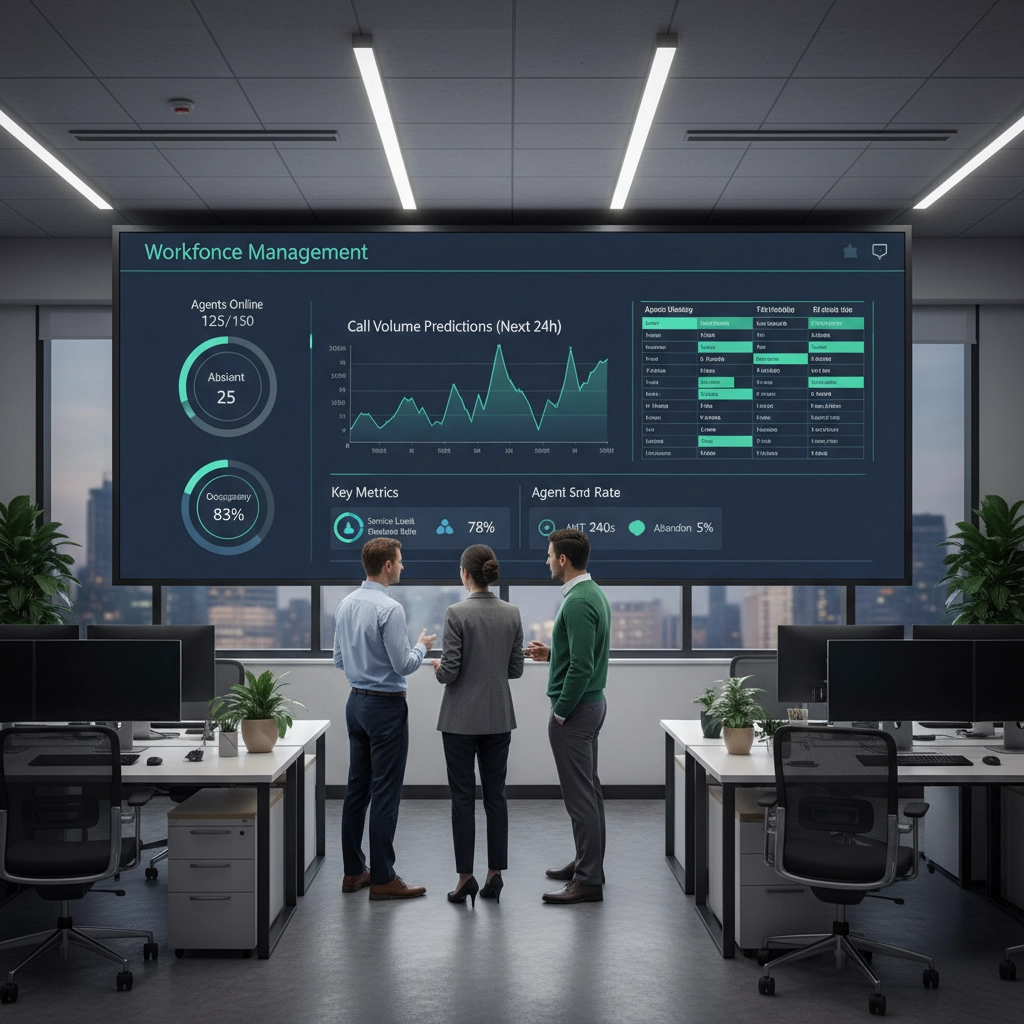
Start with smart call routing. Implement skills-based routing to get customers to the right agent faster. Use workforce forecasting tools to predict busy periods and staff accordingly. Most importantly, address the root causes: understaffing, agent absenteeism, and inefficient processes that slow down your entire operation.

image_1

2. Is Your Legacy Technology Holding You Back?

What's wrong with older systems?

Nearly 20% of contact center managers say outdated technology is their biggest barrier to improving customer experience. Legacy systems don't play well with modern tools, creating data silos and compatibility nightmares.

What's the solution?

Upgrade to cloud-based contact center technology that can grow with your business. Look for platforms that support omnichannel capabilities: voice, text, chat, and social media all in one place. Regular maintenance and software updates aren't optional anymore; they're essential for preventing system crashes and security vulnerabilities.
3. Why Are Your First Call Resolution Rates So Low?

What causes this problem?

When customers have to call back multiple times for the same issue, everyone loses. Low first call resolution (FCR) usually stems from insufficient agent training, poor access to customer data, or inefficient call routing that sends customers to the wrong department.

How can you improve FCR?

Invest in comprehensive agent training that goes beyond basic scripts. Build a searchable knowledge base that agents can access instantly. Integrate your CRM system so customer history appears automatically when calls come in. Give agents more authority to solve problems without escalating every decision.

4. Do Your Agents Have Access to the Right Information?

What happens when information is scattered?

When agents can't quickly find accurate information, they provide inconsistent answers. Customer frustration builds, call times extend, and your team's credibility suffers.

What's the fix?

Create a centralized knowledge management system that's constantly updated. Make it searchable and integrate it with your call center software. Assign someone to regularly review and update information so agents always have current, accurate details about products, services, and policies.

5. Are Department Silos Frustrating Your Customers?

Why do silos matter?

Salesforce research shows 76% of customers expect consistent interactions across departments, but 54% say this isn't happening. When departments operate in isolation, customers repeat their stories multiple times and get conflicting information.

How do you break down silos?

Deploy an omnichannel platform that unifies all support channels. Ensure customer context transfers seamlessly between agents and departments. When a customer moves from chat to phone to email, the next agent should know exactly what's already been discussed.

image_2

6. Is High Turnover Destroying Your Service Quality?

What's causing agent burnout?

High call volumes, complex systems, and feeling undervalued create a toxic cycle. Agents burn out, quit, and you're constantly training new people who aren't familiar with your processes or customers.

How do you retain good agents?

Streamline workflows with automated tools that reduce repetitive tasks. Use AI-powered assistance to help agents with responses and scripts. Create career development paths and recognize outstanding performance. Consider hybrid work options: many agents prefer flexibility, and remote work can reduce turnover.

7. Are You Providing Generic, Impersonal Service?

What do customers really want?

Modern customers expect personalized interactions that go beyond using their first name. They want you to understand their history, preferences, and current situation without having to explain everything repeatedly.

How do you personalize at scale?

Integrate your CRM with contact center software so agents see complete customer profiles instantly. Train agents to reference previous interactions and tailor conversations to individual needs. Use AI and machine learning to recommend relevant products or services based on customer data and behavior patterns.

8. Are Technical Issues Disrupting Your Operations?

What technical problems cause the most damage?

Dropped calls, system crashes, poor call quality, and network failures don't just annoy customers: they damage your reputation and cost you business. These issues often stem from outdated hardware, software bugs, or inadequate network capacity.

What's the solution?

Invest in enterprise-grade infrastructure designed for your call volumes. Implement redundant systems and backup networks to prevent downtime. Create a maintenance schedule with regular updates and security patches. Train a dedicated technical support team to quickly diagnose and resolve issues before they impact customers.

image_3

9. Is Poor Workforce Management Costing You Money?

What happens with bad scheduling?

Without proper workforce optimization, you'll have too many agents during slow periods and not enough during peak times. This leads to higher costs, frustrated customers, and agents who aren't properly matched to customer needs.

How do you optimize your workforce?

Use workforce forecasting tools that analyze historical data to predict future call volumes. Implement skills-based routing to match customers with agents who can actually solve their problems. Cross-train agents so they can handle multiple types of inquiries and provide backup during busy periods.

10. Are Data Quality Issues Blindsiding Your Decisions?

Why is bad data so problematic?

Customer data decays at about 30% annually, meaning outdated information leads to poor decisions. When data is scattered across multiple systems, you can't see the complete picture of customer interactions and satisfaction.

How do you fix data quality issues?

Implement unified analytics platforms that consolidate data from all customer touchpoints. Establish regular data cleaning processes to remove outdated information. Use this consolidated data to track key metrics like customer satisfaction (CSAT), Net Promoter Score (NPS), and first call resolution rates.

Frequently Asked Questions About Contact Center Problems

Q: What's the most common contact center problem in 2026?

A: Long wait times and poor first call resolution rates are tied for the most common issues. Both stem from inadequate staffing, poor training, and outdated technology.

Q: How much does high agent turnover actually cost?

A: The average cost to replace a contact center agent ranges from $10,000 to $20,000 when you factor in recruitment, training, and lost productivity. High turnover also impacts service quality and customer satisfaction.

Q: Should we prioritize AI implementation or fixing basic problems first?

A: Fix your foundational issues first. AI tools work best when built on solid infrastructure with clean data and well-trained agents. Implementing AI on a broken system often makes problems worse.

Q: How quickly can we see improvements after implementing these solutions?

A: Some improvements, like better call routing, can show results within weeks. Larger changes, such as new technology platforms or comprehensive training programs, typically take 3-6 months to show significant impact.

Q: What's the ROI of investing in modern contact center technology?

A: Companies typically see 20-40% improvements in customer satisfaction and 15-25% reductions in operational costs within the first year of upgrading to modern contact center platforms.

Taking Action on Your Contact Center Challenges

These problems don't exist in isolation: they're interconnected. Fixing one issue often creates positive ripple effects throughout your entire operation. The key is starting with your biggest pain points and building momentum from there.

Whether you're dealing with legacy technology limitations, workforce optimization challenges, or data quality issues, the solutions exist. The question is whether you're ready to invest in the technology, training, and processes needed to deliver the customer service your clients expect in 2026.

Ready to transform your contact center operations? Start with a free Contact Center Assessment and get a vendor-neutral roadmap tailored to your locations, volumes, and budget.

Prefer to explore solutions first? Review our Hosted Voice and UCaaS options or just contact Premier Business Team to talk with an advisor. Most engagements are provider-funded, so organizations like yours get expert guidance at no cost.

  • « Go to Previous Page
  • Page 1
  • Interim pages omitted …
  • Page 54
  • Page 55
  • Page 56
  • Page 57
  • Page 58
  • Interim pages omitted …
  • Page 78
  • Go to Next Page »

Get a no obligation quote for your business. Learn More

Proud Chamber Member

Bellingham Chamber Badge

Premier Business Team

Copyright © 2026 ยท Premier Business Team 2219 Rimland Dr. Suite 301 Bellingham, WA 98226 - 360-946-2626

  • Home
  • Business Internet
  • Business Phone
  • Blog
  • About Us
  • Contact Us
  • Business Quote
  • Engineering
  • Call: 360-946-2626