

Your business is growing, and your current phone system is showing cracks. Maybe you’re adding remote employees, opening new locations, or just tired of dealing with outdated equipment that breaks down at the worst possible moments. The big question facing growing businesses in 2026: should you move to the cloud or invest in an on-premises system?
Here’s the reality: there’s no universal “best” choice. The right decision depends on your specific growth trajectory, work arrangements, budget constraints, and industry requirements. Both options have evolved significantly, and increasingly, smart businesses are exploring hybrid approaches that combine the best of both worlds.
What’s Driving Phone System Decisions in 2026
The business communications landscape has shifted dramatically. Remote and hybrid work arrangements are now permanent fixtures, not temporary solutions. Employees expect to seamlessly take their business calls anywhere, whether they’re in the office, at home, or traveling between client sites.
At the same time, cybersecurity concerns have intensified. Businesses need phone systems that don’t create vulnerabilities while still enabling the flexibility modern teams demand. Add in economic pressures pushing companies to optimize every dollar spent, and you’ve got a decision that requires careful analysis.

Cloud-Based Phone Systems: Built for Modern Business
Core Strength: Cloud systems excel at enabling distributed teams while keeping costs predictable and scalable.
The Cloud Advantage
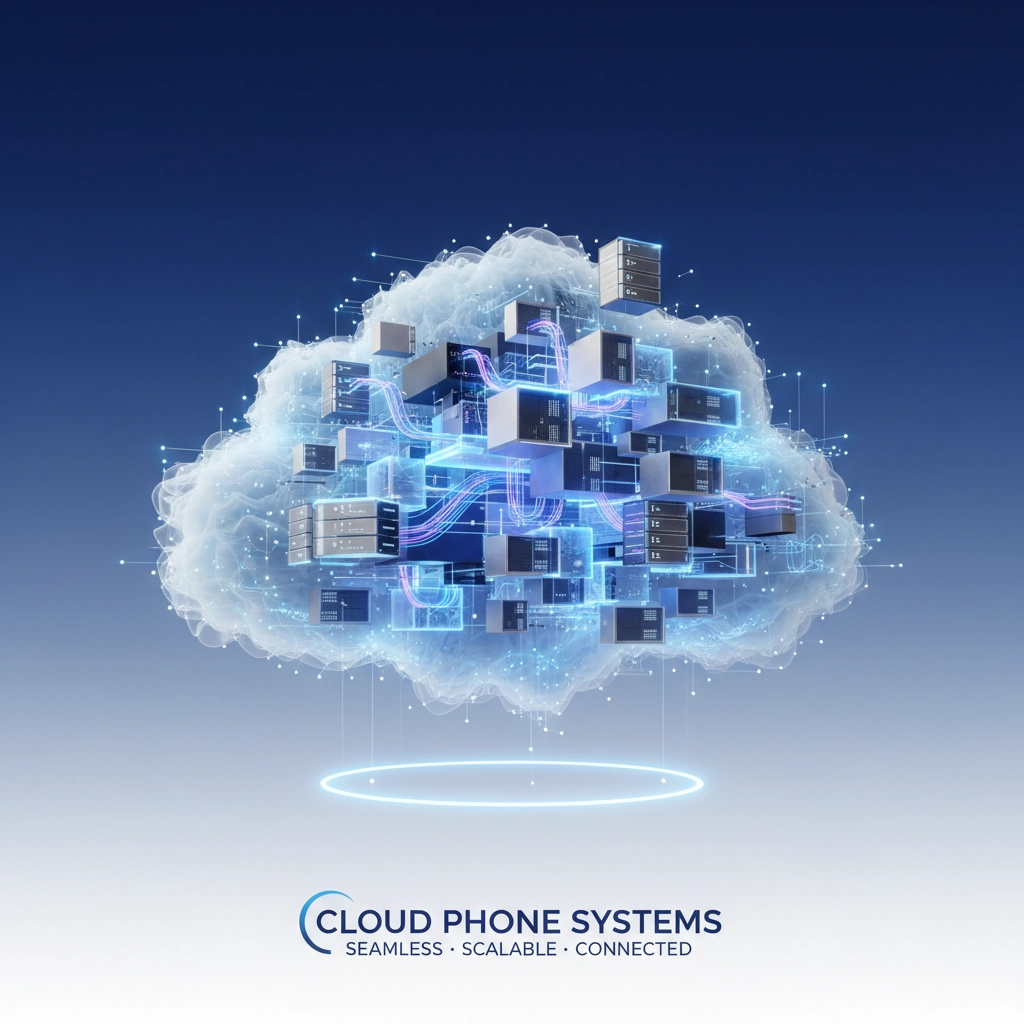
Cloud-based systems shine when your business needs flexibility and growth capacity. Your team can work from anywhere with reliable internet, using their business phone number on mobile devices to handle calls professionally. No more missed opportunities because someone’s working from home or meeting with a client off-site.
The financial model makes sense for growing businesses. Instead of massive upfront capital investments, you pay predictable monthly fees that scale with your team size. Average cost savings of 30% compared to traditional systems mean you can reinvest those dollars into growth initiatives that actually drive revenue.
Setup happens fast: often within days rather than weeks. When you need to add new employees, it takes minutes, not a hardware purchase and installation appointment. Software updates, security patches, and system maintenance happen automatically, so your team stays productive instead of dealing with IT headaches.
Cloud System Considerations
The biggest dependency is internet connectivity. If your internet goes down, your phone system goes with it. This makes cloud systems less suitable for locations with unreliable broadband or businesses that can’t tolerate any communication disruptions.
You’re also trusting a third-party provider with your communication infrastructure and potentially sensitive call data. For most businesses, reputable providers offer better security than they could implement in-house, but highly regulated industries may need more control.
On-Premises Systems: Control and Independence
Core Strength: On-premises systems provide complete control and work independently of internet connectivity.
The On-Premises Advantage
When you need maximum control and reliability, on-premises systems deliver. Your communications infrastructure runs independently of internet connectivity, using local networks and traditional phone lines. This means internal calls and local external calls continue working even during internet outages.
For businesses in highly regulated industries: healthcare, finance, legal: maintaining direct control over call data and system security protocols often outweighs other considerations. You can implement custom security measures, maintain detailed audit trails, and ensure compliance with industry-specific requirements.
The voice quality tends to be consistently high because you’re not competing with other internet traffic for bandwidth. In environments where clear communication is critical: manufacturing floors, emergency services, customer service centers: this reliability matters.
On-Premises Realities
The upfront investment is significant. Hardware, installation, configuration, and training costs add up quickly. You’ll need dedicated IT resources or service contracts to maintain the system, handle repairs, and manage upgrades over time.
Scaling requires planning and additional hardware purchases. Adding a new location means extending your infrastructure or implementing complex networking solutions. Remote work capabilities are limited without additional VPN setups and security configurations that can be complex to manage.
Direct Comparison: Key Decision Factors
| Factor | Cloud-Based | On-Premises |
|---|---|---|
| Initial Investment | Low (minimal hardware) | High (significant capital required) |
| Monthly Costs | Predictable subscription | Lower line costs but unpredictable maintenance |
| Scalability | Add/remove users instantly | Hardware-limited, requires planning |
| Remote Work | Excellent: works anywhere | Limited without complex setup |
| Setup Timeline | Days to weeks | Weeks to months |
| Maintenance | Provider managed | In-house or contracted |
| Internet Dependency | Critical requirement | Works independently |
| Customization | Limited but improving | Complete control |
| Security Control | Provider managed | Full internal control |

Making the Right Choice for Your Business
Choose Cloud-Based When:
Your team is distributed or growing rapidly. If you have remote employees, multiple locations, or expect significant team expansion, cloud systems provide the flexibility to support growth without infrastructure investments.
You want predictable IT expenses. Subscription models make budgeting easier and free up capital for revenue-generating investments instead of phone system hardware.
You need quick deployment. Cloud systems can be operational in days, not months. Perfect for startups, rapidly growing companies, or businesses replacing failed legacy systems.
IT resources are limited. Cloud providers handle maintenance, updates, and troubleshooting, reducing the burden on your internal team.
Choose On-Premises When:
Regulatory requirements demand data control. Industries with strict compliance requirements often need on-premises systems to maintain audit trails and data sovereignty.
Internet reliability is questionable. Rural locations, areas with frequent outages, or businesses that can’t tolerate communication disruptions benefit from internet-independent systems.
Long-term cost optimization matters. If you’re planning to use the same system for 10+ years and have the capital available, on-premises systems can offer lower total cost of ownership.
Heavy customization is required. Unique industry requirements or complex call routing needs may require the flexibility only on-premises systems provide.
Consider Hybrid Approaches
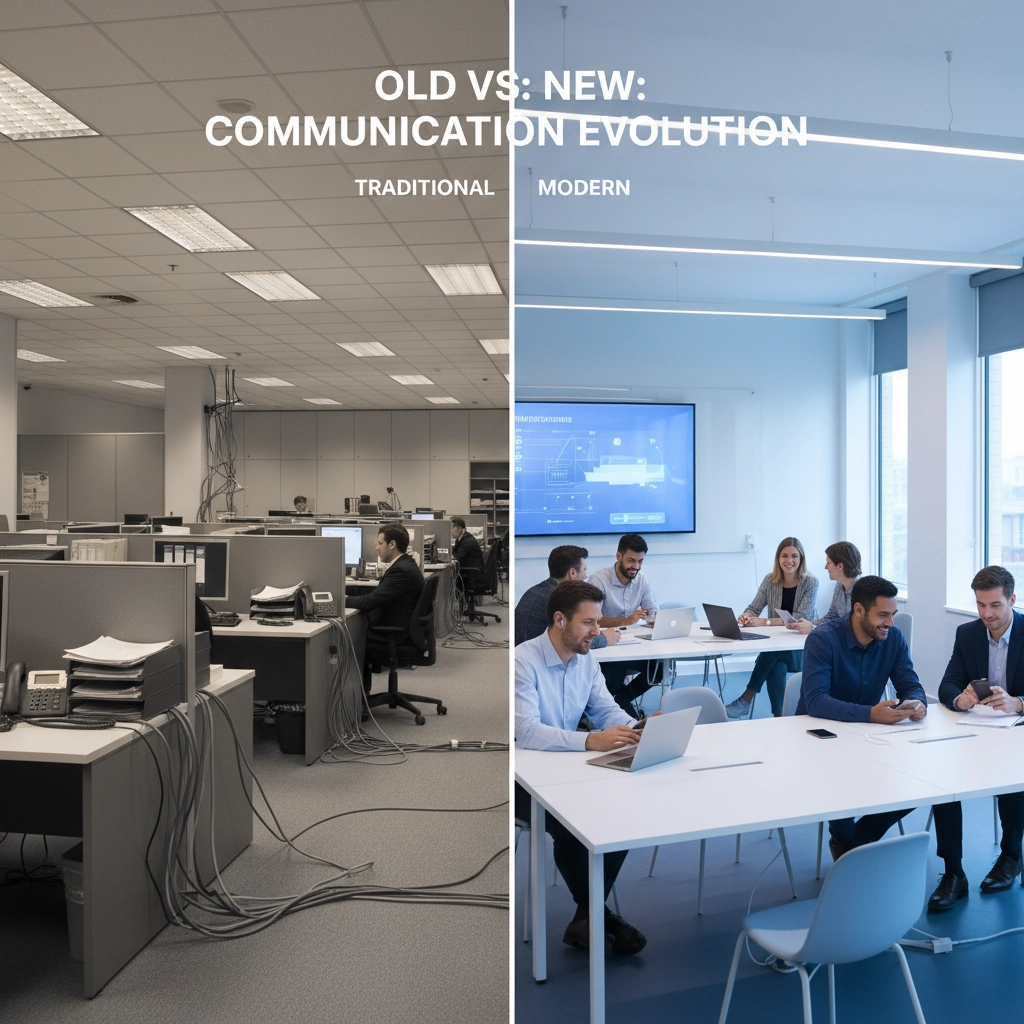
Many growing businesses find success with hybrid deployments that combine on-premises reliability with cloud flexibility. You might maintain core voice infrastructure on-site while enabling cloud-based features for remote workers and advanced collaboration tools.
This approach allows gradual migration at your own pace while maintaining business continuity. Recent surveys show 92% of mid-to-large enterprises are considering hybrid models, suggesting this balanced approach meets real business needs.
The Bottom Line
The best phone system for your growing business depends on your specific situation, not industry trends or vendor recommendations. Cloud systems excel for distributed teams that need flexibility and predictable costs. On-premises systems work better when control, independence, and regulatory compliance are priorities.
Don’t make this decision based on what worked for other businesses or what seems trendy. Analyze your actual requirements: Where does your team work? How fast are you growing? What does your budget look like? How critical is communication uptime to your operations?
The right system should support your growth plans, not constrain them. Whether that’s in the cloud, on your premises, or a hybrid combination depends on matching system capabilities to your business realities.
Ready to make the right choice for your business? Premier Business Team helps growing companies evaluate their communication needs and implement solutions that actually work for their specific situation. We work with businesses across industries to design phone systems that support growth rather than limit it.
Contact us today to discuss your requirements and explore options that make sense for your business, your budget, and your growth plans.