


Here's the uncomfortable truth: The "secrets" aren't what you think they are.
Most legitimate IT consultants aren't hiding cybersecurity information from small businesses. The real secret? Small businesses are ignoring the warnings altogether, and it's costing them everything.
After working with hundreds of organizations across Whatcom County and beyond, we've seen the same devastating pattern repeat itself. Small business owners think cybersecurity is either too expensive, too complicated, or "something that happens to other people." Meanwhile, over 60% of all cyber-attacks specifically target small businesses.
Let's expose what's really happening in 2026: and what you can actually do about it.
The Brutal Reality No One Talks About

Here's what's actually keeping cybersecurity professionals up at night: 73% of small and medium-sized businesses experienced data breaches or cyberattacks since 2023. That's not a typo. Nearly three out of four businesses like yours have already been hit.
But here's the kicker: most don't even know it happened.
Modern cyberattacks don't announce themselves with flashing warning signs. Attackers slip in quietly, steal what they need, and disappear. They're patient. They're sophisticated. And they're specifically targeting businesses that think they're "too small to matter."
Why small businesses make perfect targets:
- Limited IT staff or expertise
- Outdated security systems
- Valuable data with weaker protection
- Less likely to have incident response plans
- Often connected to larger corporate clients
The attack lifecycle has compressed from weeks to mere hours. What used to take cybercriminals weeks of reconnaissance and planning now happens in a single afternoon, thanks to AI-powered attack tools.
The "Secrets" That Could Save Your Business
Secret #1: Your Passwords Are Worthless
81% of data breaches involve stolen or compromised credentials, yet only 20% of small firms have implemented multifactor authentication (MFA).
This isn't because MFA is expensive or complicated: it's because business owners don't realize their "strong" passwords are completely useless against modern attacks. Cybercriminals aren't trying to guess your password anymore. They're buying it from data brokers for $5.
What to do in 2026: Enable MFA on every single business account. Email, banking, cloud storage, social media: everything. Most services offer it for free, and it blocks 99.9% of automated attacks.
Secret #2: Your Home Workers Are Your Biggest Risk
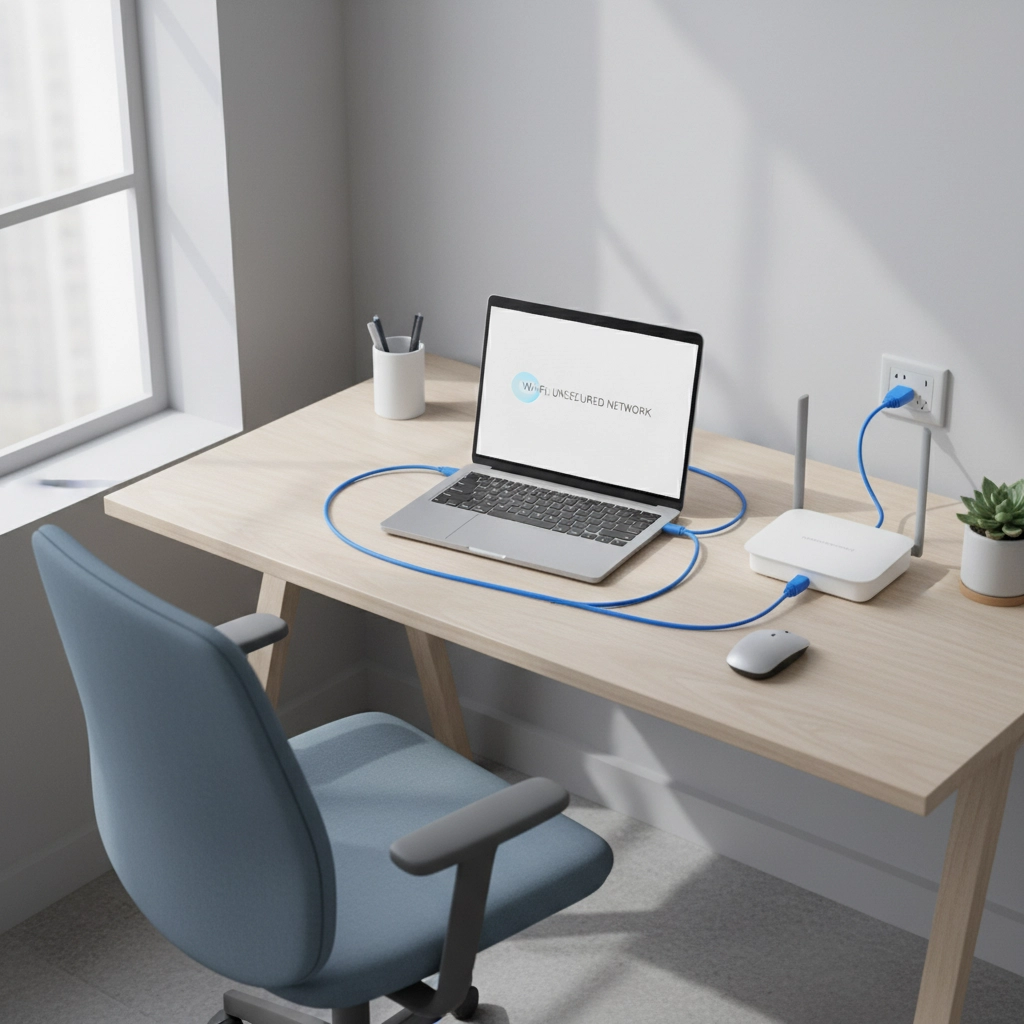
Remote and hybrid work created massive security gaps that most small businesses never addressed. Your employee working from their kitchen table is accessing your sensitive data through their home router: the same router they bought in 2018 and never updated.
Home routers, personal devices, public Wi-Fi, and unsecured home offices create dozens of entry points that traditional office security never had to worry about.
What to do in 2026: Implement a zero-trust approach. Assume every connection is potentially compromised and verify every access attempt. Use VPNs, secure remote desktop solutions, and endpoint protection on all devices accessing company data.
Secret #3: AI Is Already Attacking You
While you're wondering whether AI will change your industry, cybercriminals are already using it to attack your business. 97% of organizations experienced an AI-related security incident in recent surveys.
AI-powered attacks can analyze your company's social media, website, and public information to craft perfectly personalized phishing emails. They can mimic your CEO's writing style, reference recent projects, and include details that make them virtually impossible to distinguish from legitimate communications.
What to do in 2026: Fight AI with AI. Implement AI-driven security solutions that can detect anomalous behavior patterns, unusual network traffic, and sophisticated phishing attempts faster than any human analyst.
The Vendor Problem Nobody Mentions

Here's a secret that even some IT consultants miss: Your vendors are probably your weakest link.
That accounting firm handling your payroll, the marketing agency with access to your customer database, the cloud service storing your files: each one represents a potential entry point into your business.
Major breaches increasingly happen through third-party vendors who have legitimate access to your systems but weaker security standards. Attackers compromise the vendor first, then use those credentials to access your more valuable data.
What to do in 2026:
- Audit every vendor's cybersecurity practices
- Require cybersecurity assessments before signing contracts
- Limit vendor access to only what they absolutely need
- Monitor vendor access logs regularly
What IT Consultants Actually Want You to Know
Here's the real truth: Legitimate cybersecurity professionals desperately want small businesses to understand these risks. The problem isn't hidden information: it's business owners who think cybersecurity is optional until it's too late.
The economics are stark: Organizations using extensive AI and automation in their security reduced breach costs by an average of $2.2 million while detecting attacks nearly 100 days faster than those using manual processes.
For small businesses, this translates to the difference between surviving an attack and closing permanently. 60% of small businesses fail within six months of a significant cyber attack.
The 2026 Cybersecurity Essentials

Immediate Actions (Do This Week):
- Enable MFA on all business accounts
- Update all router and device firmware
- Implement automatic software patching
- Create offline backups of critical data
- Develop an incident response plan
Strategic Investments (Next 90 Days):
- Deploy AI-driven threat detection
- Establish zero-trust network architecture
- Conduct vendor security assessments
- Purchase cyber insurance
- Train employees on social engineering tactics
2026 Competitive Advantages:
- Real-time security monitoring
- Automated threat response
- Supply chain security verification
- Regulatory compliance management
- Business continuity planning
The Regulatory Reality Check
State and federal regulators are raising the stakes. New regulations require faster breach disclosure, stricter data protection, and enhanced supply chain oversight. The SEC now requires public companies to disclose material cybersecurity incidents within four business days.
Even if you're not publicly traded, your larger clients and partners are evaluating your cybersecurity maturity as a factor in business relationships. Poor cybersecurity isn't just a risk: it's becoming a competitive disadvantage.
Your Next Move
The biggest "secret" in cybersecurity? There are no shortcuts, but there are smart starting points.
Small businesses that invest in foundational cybersecurity measures: MFA, regular updates, employee training, and basic monitoring: prevent the vast majority of successful attacks. You don't need enterprise-level complexity, but you do need professional-grade basics.
The question isn't whether you can afford cybersecurity in 2026. It's whether you can afford to operate without it.
Ready to stop being an easy target? Premier Business Team helps organizations across the Pacific Northwest implement practical, cost-effective cybersecurity solutions that actually work for small businesses. We're not interested in selling you expensive solutions you don't need: we're focused on protecting what matters most to your business.
Because the real secret? Your competitors are already taking cybersecurity seriously. Don't let poor security decisions become your competitive disadvantage in 2026.
