

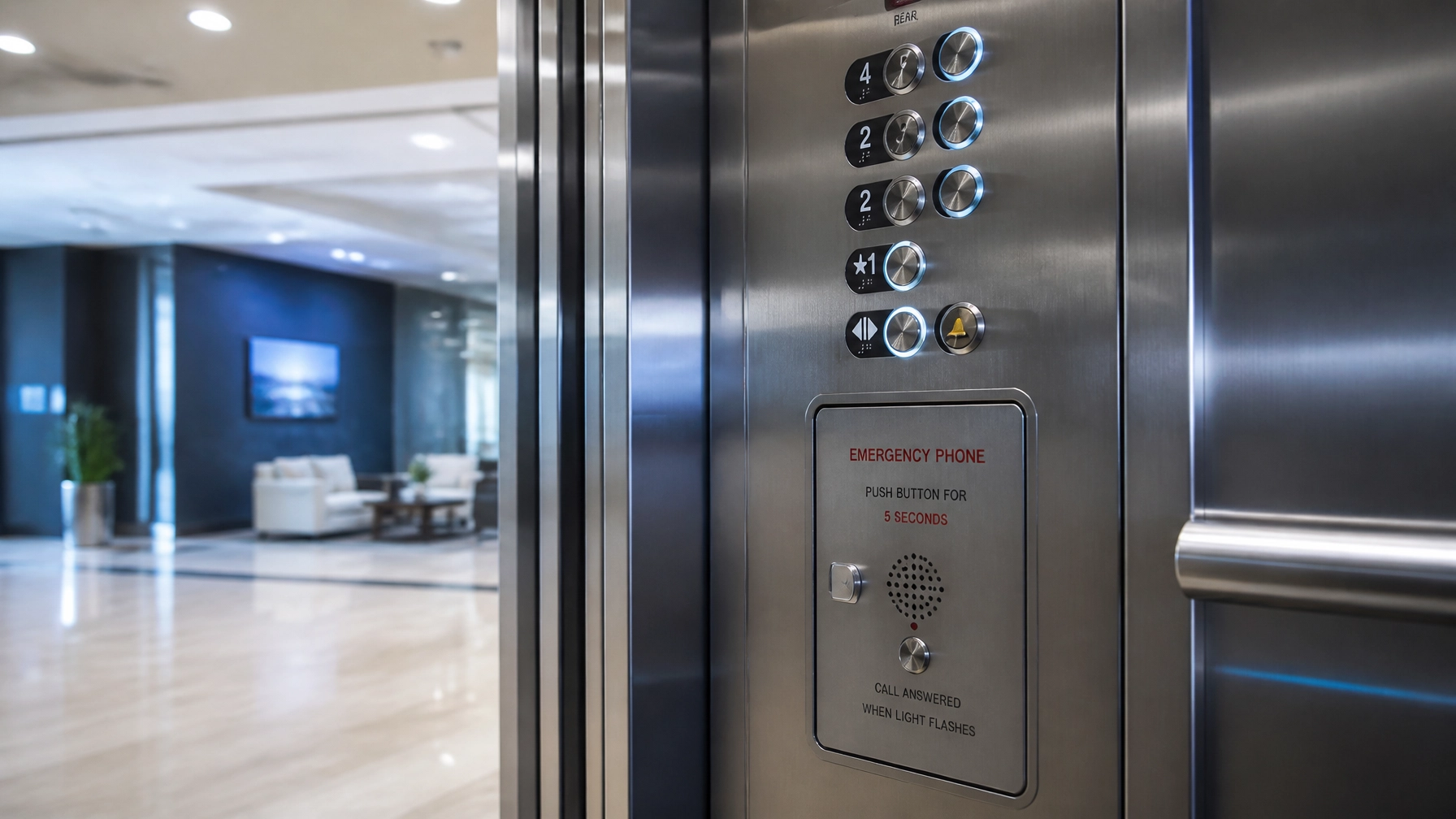
If you’re a building owner or property manager in Washington or Oregon, you’ve likely heard the rumblings about the "Copper Sunset." But for elevators, it’s not just a technical change, it’s a major compliance hurdle.
As we move through 2026, the landscape for elevator safety has shifted. Old analog lines (POTS) are being phased out, prices for existing lines are skyrocketing, and new safety codes are demanding features that your old phone simply can’t provide.
At Premier Business Team, we’ve helped hundreds of businesses navigate this transition. To keep your building safe and compliant, here are the 10 critical things you need to know about elevator phone line replacement in 2026.
1. The Copper Sunset is No Longer a "Future" Problem
For years, the FCC has been allowing telecom carriers to move away from traditional copper landlines (FCC Order 19-72). By mid-2026, many carriers have effectively stopped maintaining these lines entirely. If your elevator still relies on a physical copper wire running into the building, you are on a ticking clock. These lines are becoming increasingly unreliable, and when they fail, carriers are often refusing to repair them, leaving you with an out-of-compliance elevator that could be shut down by an inspector.
2. ASME A17.1-2019 is the New Gold Standard
While code adoption varies by state, most jurisdictions in the Northwest are now enforcing the ASME A17.1-2019/CSA B44-19 safety code. This isn’t just a minor tweak; it’s a total overhaul of how emergency communication works. The 2019 code requires that elevator phones provide more than just a voice connection, they must now support visual and text-based communication for individuals who are hearing or speech-impaired.
3. The Visual Communication Requirement
Under the new 2026 enforcement of ASME codes, your elevator phone must have a way for a passenger to signal for help and receive a response visually. This often means a screen that can display messages like "Help is on the way" or "Emergency responders have been notified." In some jurisdictions, this even includes a requirement for two-way video so the monitoring center can see inside the cab to verify the emergency. If you are replacing your lines, you must ensure your hardware can handle these visual data requirements.

4. Why Cellular Gateways are the Preferred Alternative
The most effective way to replace a dying copper line is with a Cellular Gateway (often called a POTS Replacement unit). These devices mimic a traditional dial tone but transmit the signal over 4G LTE or 5G networks. Unlike VoIP (which can be unreliable during power outages or internet downtime), cellular gateways are specifically engineered for life-safety applications. Leading solutions from providers like ECS, Kone, and Otis are now designed to be "plug-and-play" with your existing elevator hardware.
5. NFPA 72 Compliance and Monitoring
It’s not just the elevator code you have to worry about; the NFPA 72 (National Fire Alarm and Signaling Code) also plays a role. Your elevator phone must be monitored 24/7 by a professional call center that is trained to handle entrapments and fire emergencies. When you switch to a cellular or fiber-based system, you must ensure that the connection is "supervised." This means if the line goes dead, the system automatically alerts the monitoring station.
6. Strict Backup Power Requirements
In an emergency, the power is often the first thing to go. Code requirements for 2026 state that your elevator communication system must have a dedicated battery backup capable of powering the phone and the communication gateway for at least 4 to 24 hours (depending on your local AHJ, Authority Having Jurisdiction). Standard consumer-grade UPS systems aren't enough; you need a life-safety rated power supply that can withstand the rigors of an elevator machine room.
7. Automatic Location Identification (ALI)
One of the biggest risks of modernizing an elevator phone is losing the "hardwired" location data. With an old landline, 911 dispatchers knew exactly which building and floor the call was coming from. When you switch to cellular or digital lines, you must use hardware that provides Automatic Location Identification. This ensures that if a passenger is unable to speak, the monitoring center still knows exactly where to send the fire department.

8. Cost Comparison: Copper vs. Cellular
If you’re still paying for a traditional POTS line, you’ve likely noticed your bill creeping up. In 2026, it’s not uncommon for a single copper elevator line to cost $500 to $1,000 per month as carriers try to force customers off the old network.
- Traditional Copper: $500+/month + high maintenance costs.
- Cellular Replacement: $40 – $70/month + a one-time hardware investment.
Most of our clients see a total return on investment (ROI) in less than 12 months just from the monthly service savings.
9. Implementation Timelines and "Red Tags"
Don't wait until your annual inspection to think about this. Lead times for cellular gateway hardware and elevator contractor availability can be 4-8 weeks. If an inspector finds a non-functioning or non-compliant phone, they can "Red Tag" your elevator, taking it out of service immediately. This is a nightmare for multi-story residential buildings or busy medical offices. We recommend starting the transition at least six months before your current contract or inspection date.
10. The Importance of Vendor-Neutral Advice
Elevator companies (like Otis or Kone) will often try to sell you their proprietary communication systems. While these are usually high-quality, they often "lock you in" to their specific monitoring services and high monthly fees.
Working with a vendor-neutral advisor like Premier Business Team allows you to look at the whole market. We can help you source the hardware that fits your specific elevator model while finding the most cost-effective service plan available in Washington and Oregon.
FAQ: Elevator Phone Upgrades for 2026
Q: Do I HAVE to replace my phone line if it’s still working?
A: If it’s a copper POTS line, yes, eventually. Carriers are actively decommissioning these lines. Furthermore, if you perform any major modernization on your elevator, you will likely be required to bring the communication system up to the current 2019/2026 code standards.
Q: Can I use a standard VoIP line for my elevator?
A: Generally, no. Standard VoIP lines often fail to meet the battery backup and "handshaking" requirements needed for emergency monitoring centers. They are also prone to jitter and latency that can drop emergency calls.
Q: Is cellular service reliable in a basement elevator?
A: We use high-gain external antennas that can be mounted outside the elevator shaft or machine room to ensure a crystal-clear signal, even in "dead zones."
How Premier Business Team Can Help
Navigating the transition from legacy copper to modern, code-compliant communication shouldn't be a headache. Whether you need a simple business phone system upgrade or a specialized POTS line replacement for your elevators and fire alarms, we’ve got you covered.
We act as your single point of contact to evaluate your current setup, source the right cellular or fiber hardware, and ensure you meet all WA/OR state requirements. Best of all? Our consulting services are often free to you, as we are compensated by the providers we represent.

Don't wait for a red tag or a massive bill hike. Contact Premier Business Team today for a free compliance check and a custom quote for your elevator phone line replacement.
