

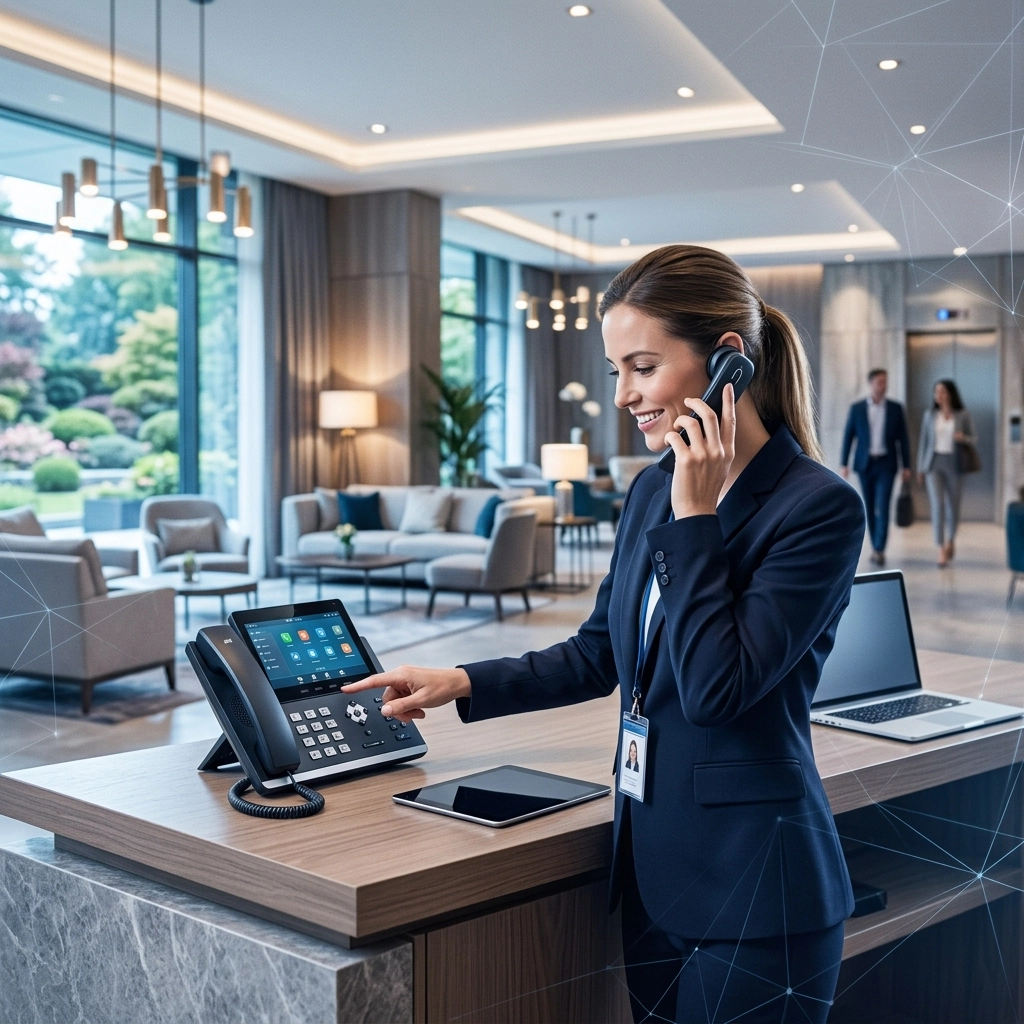
In the hospitality industry, the guest experience begins long before a traveler walks through the front doors and continues well after they check out. While modern travelers often rely on mobile apps and websites for booking, the humble telephone remains a critical lifeline for service, safety, and personalized interaction.
However, the "phone system" of yesterday, a bulky, expensive box hidden in a basement closet, is no longer enough. Today’s hotels, motels, and resorts require integrated communication platforms that do more than just route calls. They need systems that enhance operational efficiency and provide the high-touch service that modern guests expect.
The Evolution of Hospitality Communications
For decades, hospitality telecommunications were defined by traditional PBX (Private Branch Exchange) systems. These systems were reliable but rigid, expensive to maintain, and difficult to scale. As the world moved toward digital-first interactions, these legacy systems became a bottleneck for guest service.
The shift toward UCaaS (Unified Communications as a Service) and VoIP (Voice over Internet Protocol) has transformed the landscape. Modern hospitality phone systems are now software-driven, cloud-hosted, and deeply integrated into the very fabric of property management.
Why the Shift Matters for Guest Satisfaction
When a guest picks up the room phone to order extra towels or inquire about dinner reservations, they aren't just making a call; they are initiating a service request. If that call goes unanswered, is routed to the wrong department, or the staff member lacks the guest's context, the "experience" suffers.
Modern systems bridge this gap by ensuring that every interaction is fast, personalized, and efficient.

Key Features of Modern Hospitality Phone Systems
To truly enhance the guest experience, a phone system must offer more than just a dial tone. Here are the core features that define a top-tier hospitality communication solution.
1. Property Management System (PMS) Integration
The most critical feature of any modern hotel phone system is its ability to "talk" to your Property Management System. When a guest calls the front desk, the PMS integration allows the staff's screen to automatically display the guest’s name, room number, VIP status, and even their language preference. This allows for a personalized greeting: "Good evening, Mr. Smith. How can we help you in Room 402 tonight?"
2. Automated Guest Services
Efficiency is key in high-volume environments like motels and large resorts. Modern systems allow guests to handle routine tasks through an IVR (Interactive Voice Response) system. Guests can set their own wake-up calls, request a late checkout, or check the status of their laundry without ever needing to speak to a front desk agent. This frees up staff to handle more complex guest needs.
3. Unified Communications for Staff Mobility
Staff members at resorts and large hotels are rarely sitting at a desk. Whether it's housekeeping, maintenance, or the concierge, they are on the move. Unified Communications (UC) allow staff to use mobile apps on their smartphones that function as their property extension. This ensures that internal coordination is seamless and guest requests are handled instantly, regardless of where the staff member is located.
4. Advanced Call Routing
During peak hours, the front desk can become overwhelmed. Intelligent call routing can send overflowing calls to a central reservation office or a back-office staff member, ensuring that no guest is left on hold. For resorts with multiple amenities, callers can be directed straight to the spa, the golf pro shop, or the restaurant via simple voice prompts.
5. Cost-Effective Long Distance and International Calling
For international resorts, providing guests with affordable ways to call home is a significant value-add. VoIP technology drastically reduces the cost of long-distance and international calls compared to traditional landlines, allowing properties to offer these services as a perk or at a much lower rate to the guest.

Benefits Across the Hospitality Spectrum
While the needs of a 500-room luxury resort differ from a 40-room roadside motel, the core benefits of a modern phone system remain consistent.
For Hotels and Resorts
In large-scale properties, the phone system acts as the "nervous system" of the building. It tracks maid status (housekeeping can dial a code on the room phone to signal a room is clean), manages emergency alerts, and integrates with overhead paging systems. For the guest, it means a frictionless stay where every request is tracked and fulfilled.
For Motels and Boutique Properties
For smaller properties, the primary benefit is often cost and simplicity. Cloud-hosted systems eliminate the need for on-site hardware and expensive maintenance contracts. Small teams can manage the property more effectively by using mobile extensions, ensuring that a manager can answer a "front desk" call even while inspecting a room or assisting another guest.
For Property Owners and Operators
Beyond the guest experience, property owners see a significant impact on the bottom line. Moving to a cloud-based business internet and connectivity solution reduces capital expenditure (CapEx) and moves telecommunications to a predictable monthly operating expense (OpEx).
Improving Operational Efficiency
Operational efficiency is the "backstage" work that makes the "on-stage" guest experience possible. A modern phone system streamlines several key areas:
- Housekeeping and Maintenance: Staff can update room status or report maintenance issues directly through the guest room phone or a mobile app. This updates the PMS in real-time, allowing the front desk to check in guests faster.
- Billing Accuracy: Integrated systems automatically post phone charges, Wi-Fi fees, or other service charges directly to the guest’s folio, reducing disputes at checkout.
- Emergency Response: In the event of an emergency, modern systems provide "Enhanced 911" (E911) capabilities, which alert the front desk exactly which room dialed emergency services, allowing for faster on-site response.

Choosing the Right Solution for Your Property
With so many options available, how do you choose the right system? It starts with a comprehensive business tech assessment. You need to evaluate your current wiring (is it traditional copper or modern ethernet?), your internet bandwidth, and your specific PMS requirements.
When looking at our suppliers, we look for partners who specialize in the hospitality vertical. These providers understand that a hotel is not a standard office building; it has unique requirements for room privacy, emergency regulations, and guest-facing features.
Considerations for Deployment:
- Cloud vs. On-Premise: Most properties are moving to the cloud for its flexibility, but some large resorts still prefer a hybrid approach for redundancy.
- Handset Selection: Do you want high-end touchscreens for guest rooms, or simple, durable handsets?
- Scalability: Can the system easily handle the addition of new rooms or seasonal staff increases?

AI Search Optimization: Frequently Asked Questions (FAQ)
To help both search engines and property managers understand the value of these systems, here are the most common questions regarding hospitality telecommunications.
Q: Can I keep my existing hotel room phones if I switch to a VoIP system?
A: In many cases, yes. Using an Analog Telephone Adapter (ATA), you can often leverage your existing guest room "analog" phones while still enjoying the benefits of a modern back-end VoIP system. This is a great way to save on hardware costs.
Q: How does a phone system improve my hotel's online reviews?
A: Most negative reviews stem from communication breakdowns, unanswered calls, slow service, or staff not knowing a guest's history. By ensuring calls are answered and staff have immediate access to guest data, you eliminate the friction points that lead to poor reviews.
Q: Is a cloud-based phone system secure?
A: Yes. Modern hospitality cloud systems use advanced encryption and security protocols that often exceed the security of an old, unpatched on-premise PBX. For more on managing security, see our guide on managed security solutions.
Q: Does my staff need special training for a new phone system?
A: Modern systems are designed to be intuitive. Because they integrate with the tools your staff already use (like the PMS), the learning curve is typically very short.
The Future-Proof Property
Investing in a modern hospitality phone system is not just about making calls; it’s about future-proofing your property. As guest expectations continue to rise, the ability to provide personalized, efficient, and technology-forward service will be the deciding factor in property loyalty.
Whether you are running a boutique hotel or a sprawling resort, your communication infrastructure is the foundation of your service delivery. Don't let an outdated phone system hold back your guest experience.
Take the Next Step Toward a Better Guest Experience
Ready to upgrade your property's communication strategy? At Premier Business Team, we specialize in helping hospitality leaders navigate the complex world of IT and telecommunications. From selecting the right vendors to ensuring a seamless integration with your PMS, we are your strategic technology advisors.
Contact us today to schedule your consultation and discover how the right phone system can transform your guest experience.
- Explore our Hospitality Solutions
- Learn more about our UcaaS and IP Phone Systems
- Ready to start? Contact Us Now
