

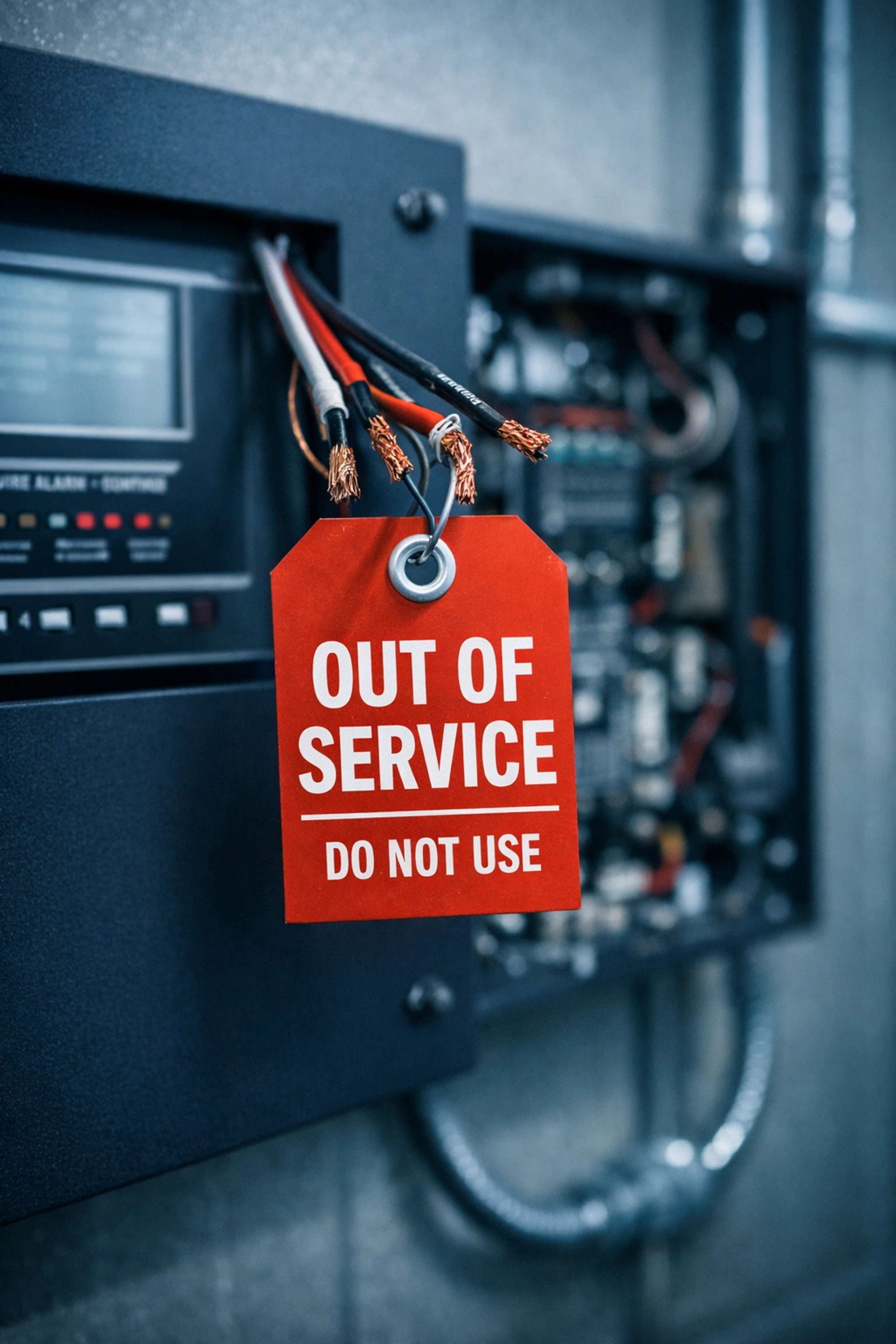
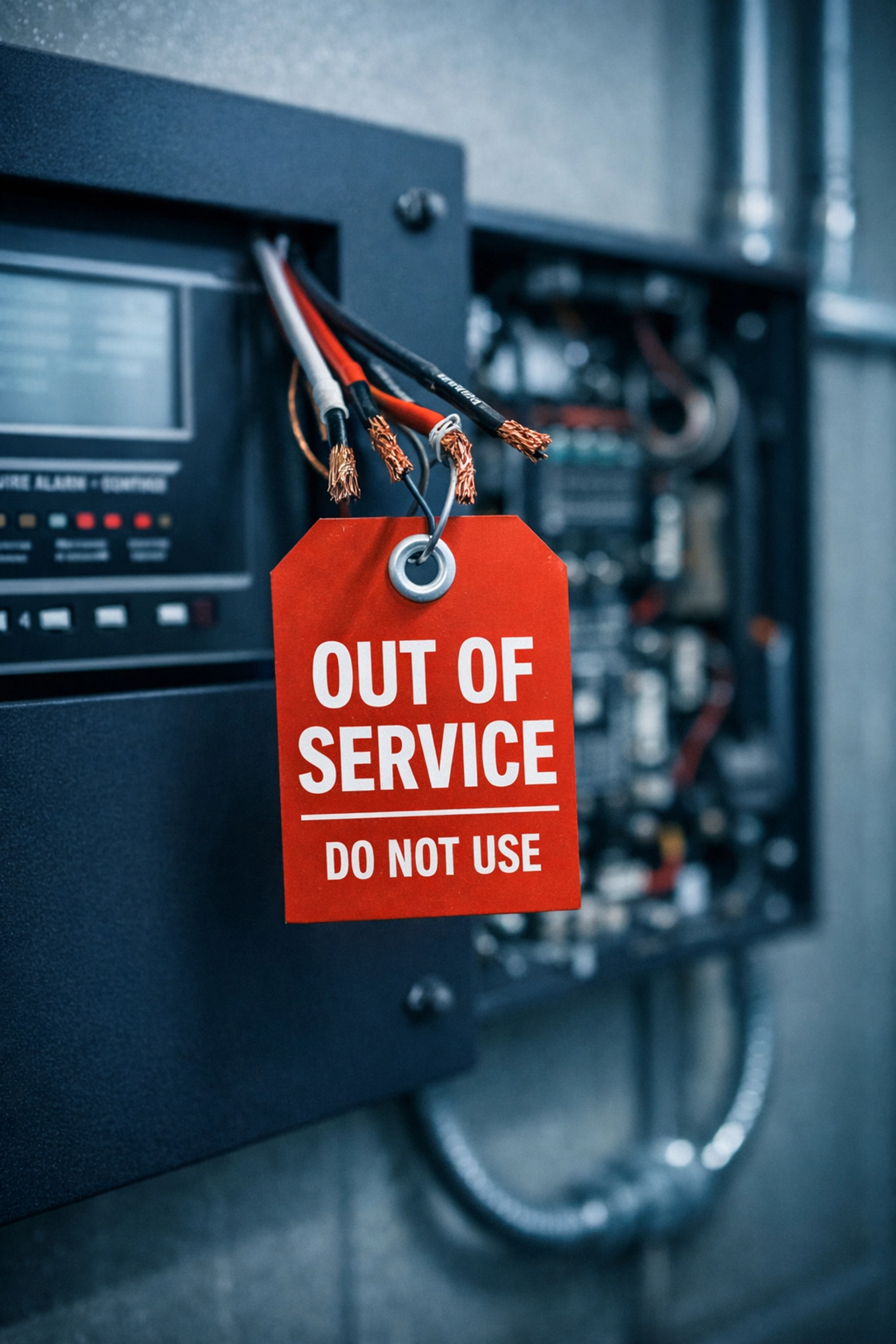
If you're managing commercial properties in 2026, there's a good chance you're sitting on a ticking compliance bomb, and you might not even know it. Those old copper phone lines (POTS lines) that power your fire alarms, elevator emergency phones, and building security systems? They're being systematically retired by carriers nationwide, and if you haven't started planning replacements, you're running out of time.
Here's the reality: after October 15, 2025, AT&T customers could no longer move, add, or make changes to existing POTS lines. Other carriers are following similar timelines. Even worse, the FCC slashed the notice period providers must give before retiring lines from 180 days to just 90 days. That means once you get a shutdown notice, you have three months, not six, to replace critical life-safety systems.
For property managers, this isn't just an IT headache. It's a compliance crisis that could lead to failed fire inspections, insurance nightmares, and serious liability if emergency systems go dark.
Why Property Managers Can't Ignore This
Between 15 and 50 million POTS lines are still in active use across the United States, supporting critical building systems that can't simply be plugged into your standard internet connection. When these lines get disconnected, and they will, you're not facing minor inconvenience. You're facing:
- Failed fire safety inspections under NFPA 72 and local codes
- Insurance policy violations that could void coverage
- Legal liability if life-safety systems fail during an emergency
- Tenant complaints when elevator phones or building entry systems stop working
The financial and legal risks are real. Property managers have been caught off-guard by sudden service disruptions, scrambling to find compliant replacements while facing escalating costs and limited vendor availability.
Understanding Your Compliance Requirements
Before you can replace POTS lines, you need to understand what you're actually replacing and why. NFPA 72 (the National Fire Alarm and Signaling Code) sets strict requirements for fire alarm communication systems, and not all replacement solutions meet these standards.
Your replacement solution must include:
- Multi-day battery backup (minimum 48 hours for NFPA 72 compliance)
- 24/7 remote monitoring to detect system failures
- Redundant connectivity using dual wireless options (5G/LTE)
- Automatic failover to backup connectivity providers
- Supervised communication paths that alert monitoring stations to line failures
Standard VoIP or basic internet service won't cut it for fire safety systems. You need purpose-built solutions designed specifically for life-safety compliance.
Step 1: Take Complete Inventory of Your Systems
Start by identifying every system in your buildings that relies on POTS lines. This typically includes:
- Fire alarm panels and monitoring systems
- Elevator emergency phones (required by code)
- Building entry and intercom systems
- Security alarm panels
- Emergency call boxes
- Pool phones and other safety communication points
- Legacy fax machines or credit card readers
Document the number of lines, their physical locations, and their specific purpose. This inventory becomes your roadmap for replacement and helps you understand total project scope and budget.
Don't assume you know where all your POTS lines are. Many properties have "hidden" lines that were installed years ago and forgotten. Check with your telecom carrier for a complete list of active lines on your account.
Step 2: Match Solutions to Compliance Needs
Not all replacement technologies are created equal, especially for compliance-critical systems. Here's what you need to know:
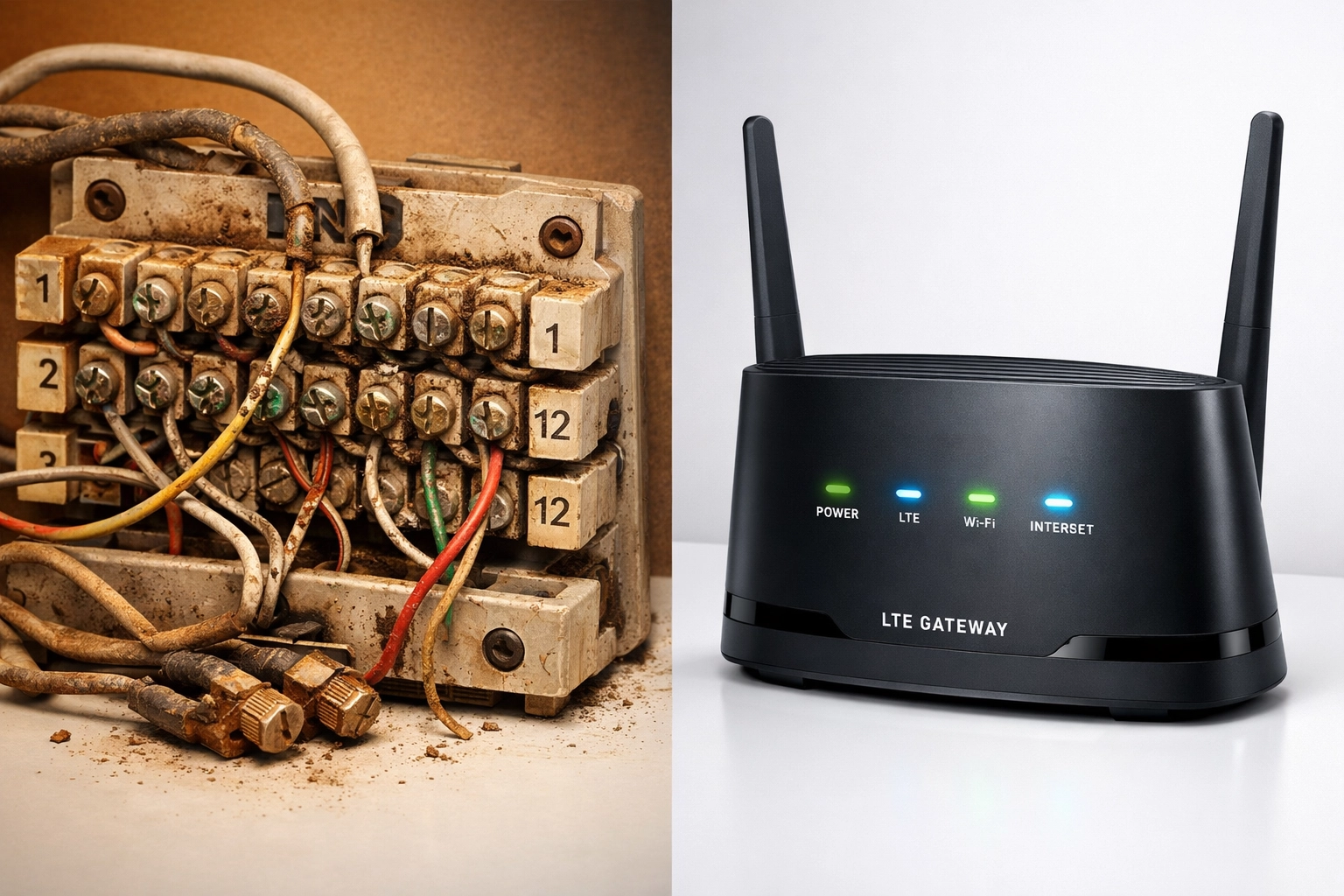
For Fire Alarm Systems: Cellular/LTE-based POTS replacement solutions are typically the best choice. These use dedicated cellular gateways with built-in battery backup, redundant connectivity, and monitoring capabilities that meet NFPA 72 requirements. They're specifically designed for fire safety compliance.
For Elevator Emergency Phones: Similar to fire alarms, these require reliable connectivity and battery backup. Cellular solutions work well here, but verify your solution meets ASME A17.1 elevator code requirements.
For Building Entry and Intercom Systems: You may have more flexibility here. Cloud-based or VoIP solutions can work, but ensure they have adequate backup power and reliability for your needs.
The key is matching the right technology to each system's compliance and reliability requirements, not forcing a one-size-fits-all approach.
Step 3: Avoid These Common Mistakes
As property managers rush to replace POTS lines, we're seeing the same mistakes repeated:
Mistake #1: Choosing Based on Price Alone
The cheapest solution often lacks the monitoring, backup power, or redundancy required for compliance. You'll save money upfront but face failed inspections and emergency replacements later.
Mistake #2: Assuming VoIP Works for Everything
Standard business VoIP is great for office phones but typically doesn't meet fire alarm compliance requirements. Fire marshals don't care if your VoIP "works fine", they care about NFPA 72 certification.
Mistake #3: Waiting Until the Last Minute
Vendors are already experiencing backlogs as the POTS sunset accelerates. Wait too long, and you won't have installation slots available before your lines get disconnected.
Mistake #4: Not Testing Emergency Functionality
Installing a replacement isn't enough. You must test that fire alarms successfully communicate with monitoring stations, elevator phones actually connect to emergency services, and backup power systems work as designed.
Mistake #5: Forgetting About Ongoing Monitoring
NFPA 72 requires continuous supervision of fire alarm communication paths. Your replacement solution needs 24/7 monitoring to detect and alert you to failures, just like your old POTS line did.
Step 4: Create Your Migration Timeline
Don't try to replace everything overnight. Develop a phased approach:
Months 1-2: Complete inventory and compliance assessment
Months 2-3: Vendor selection and solution design
Months 3-6: Scheduled installations (prioritize fire safety systems first)
Ongoing: Testing, documentation, and monitoring setup
Schedule upgrades during low-impact periods when possible, and always have backup plans for critical systems. Test every replacement thoroughly before decommissioning old POTS lines.
Step 5: Budget for the Full Project
POTS replacement costs vary widely based on your specific systems and building configurations, but you need to budget for:
- Equipment costs (cellular gateways, adapters, power supplies)
- Professional installation and programming
- Monthly service fees for cellular connectivity
- Ongoing monitoring and maintenance
- Potential fire alarm panel updates or programming changes
Here's something many property managers miss: legacy POTS line costs are skyrocketing in some markets, with surcharges exceeding $200 per line per month. In many cases, replacement solutions actually cost less than keeping old copper lines, if you act before forced migration drives up demand and prices.
Working with Experienced Providers
The technical and compliance complexities of POTS replacement make this a poor candidate for DIY projects. Partner with providers who understand fire safety codes, building systems, and telecommunications infrastructure.
Experienced providers offer:
- Site surveys to identify all POTS-dependent systems
- Compliance expertise for NFPA 72 and local codes
- Project management from design through installation
- Coordination with fire marshals and inspectors
- Post-installation monitoring and support
The right partner makes the difference between smooth compliance and failed inspections.

FAQ: POTS Line Replacement for Property Managers
Q: What are POTS lines and why are they being discontinued?
A: POTS (Plain Old Telephone Service) lines are traditional copper-based analog phone lines. Carriers are retiring them because the copper infrastructure is aging, expensive to maintain, and being replaced by fiber and wireless networks.
Q: Can I just use regular internet or VoIP for fire alarm systems?
A: No. Standard VoIP and internet service don't meet NFPA 72 requirements for fire alarm communication. You need certified solutions with battery backup, redundant connectivity, and 24/7 monitoring.
Q: How much time do I have to replace POTS lines?
A: It varies by carrier and location, but many major carriers have already implemented deadlines. The FCC now only requires 90 days notice before line retirement. Start planning immediately.
Q: What happens if my fire alarm phone line fails inspection?
A: Failed fire inspections can result in compliance violations, fines, insurance issues, and potential building occupancy restrictions until violations are corrected.
Q: Are cellular replacement solutions reliable enough for life-safety systems?
A: Yes, when properly designed. Modern cellular POTS replacement solutions use redundant connectivity, battery backup, and active monitoring to exceed the reliability of aging copper networks.
Q: Do I need to upgrade my fire alarm panel to replace POTS lines?
A: Not always. Many cellular POTS replacement solutions connect directly to existing fire alarm panels without panel modifications. Your provider should assess your specific equipment.
Don't Wait for the Fire Inspector to Tell You
The POTS sunset isn't a distant future problem: it's happening right now. Property managers who act proactively can schedule replacements strategically, maintain continuous compliance, and avoid emergency situations. Those who delay face escalating costs, limited vendor availability, service disruptions, and potential liability.
Your next fire inspection is coming whether your phone lines work or not. The question is whether you'll pass.
Ready to ensure your fire safety systems stay compliant through the POTS transition? Premier Business Team specializes in helping property managers navigate POTS replacement with solutions designed specifically for NFPA 72 compliance and life-safety systems. We handle everything from initial assessment through installation and ongoing monitoring: so you can focus on managing properties, not emergency telecom projects.
Contact us today for a complimentary POTS replacement assessment and find out exactly what your properties need to stay compliant in 2026 and beyond.
