

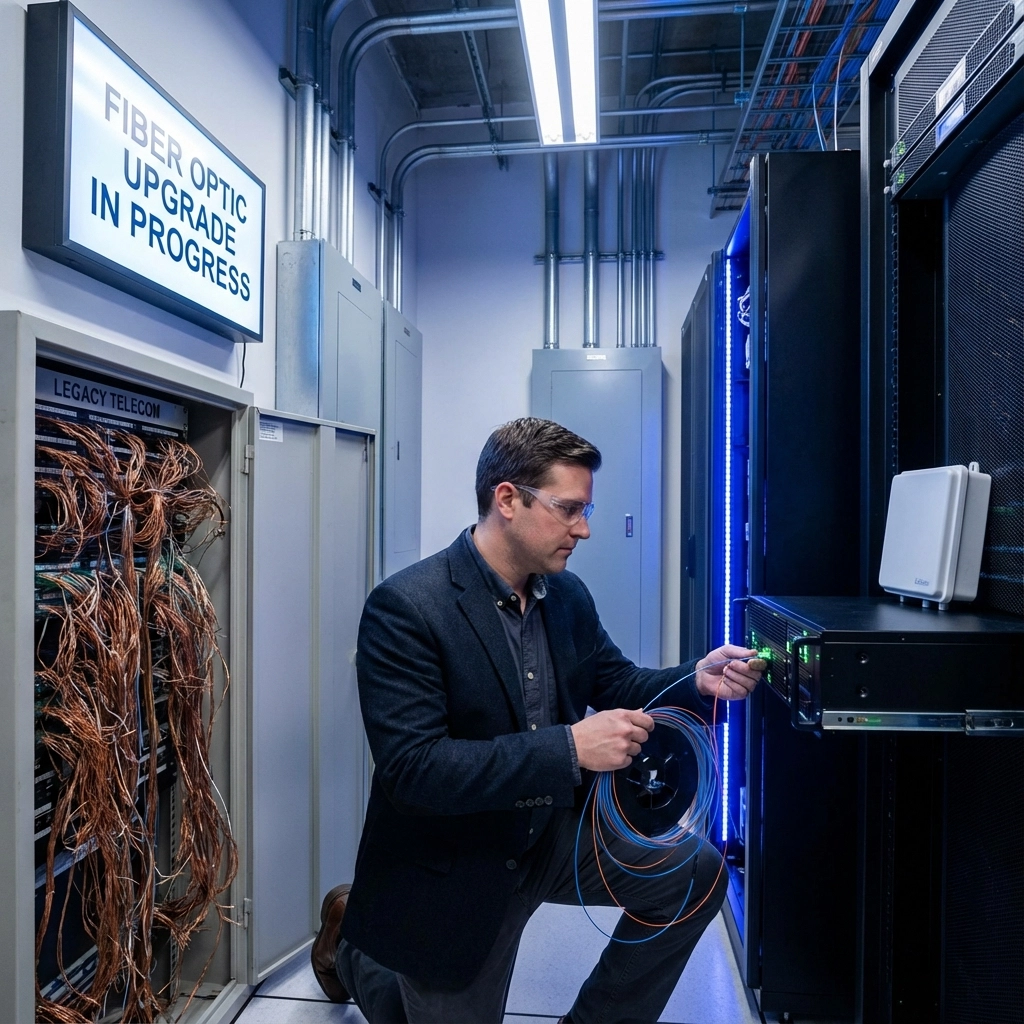
If you manage a building with elevators, fire safety systems, or emergency phones, you've probably heard whispers about "POTS replacement" and wondered what it means for your operations. The reality is stark: traditional copper telephone lines are disappearing in 2026, and millions of critical safety devices depend on them to function properly.
This isn't just a technology upgrade, it's a safety imperative that could leave your building non-compliant with fire codes and elevator regulations if you don't act soon.
What Are POTS Lines and Why Are They Going Away?
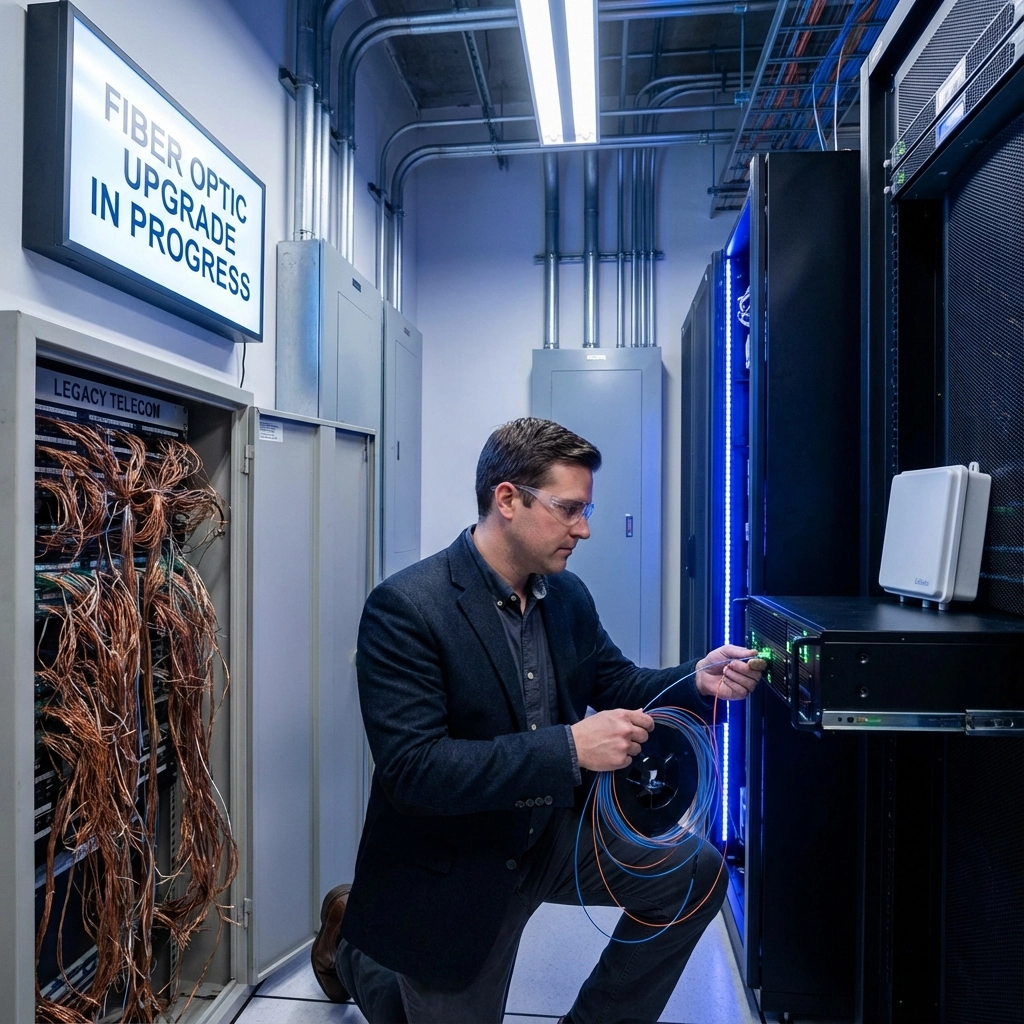
POTS stands for Plain Old Telephone Service, the copper telephone lines that have connected phones and critical building systems for decades. These analog lines have been the backbone for elevators, fire alarms, emergency call boxes, and security systems since the 1950s.
Major telecommunications carriers are systematically phasing out POTS infrastructure due to several factors:
- FCC policy changes prioritizing digital and wireless technologies
- High maintenance costs for aging copper networks
- Declining demand as businesses migrate to VoIP and cellular solutions
- Infrastructure modernization focusing on fiber and 5G networks
The phase-out isn't gradual, carriers are actively discontinuing service in many areas, leaving building owners scrambling for POTS replacement solutions that maintain safety compliance.
Why Elevator and Fire Safety Systems Are at Risk
Millions of mission-critical legacy devices still rely on POTS lines to communicate with emergency services and monitoring centers. Your building likely has several of these systems:
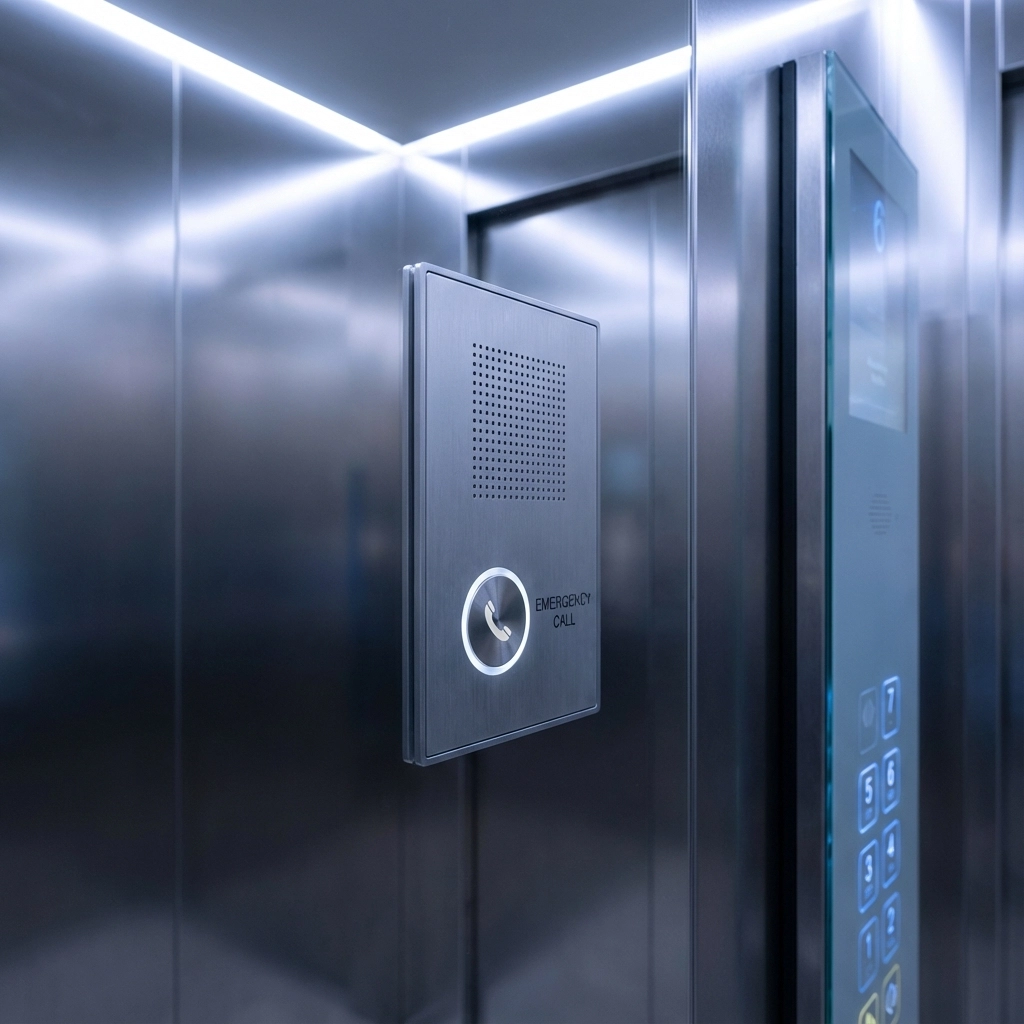
Elevator Emergency Phones
Every elevator is required by ASME A17.1 codes to have an elevator phone that connects directly to emergency services or a 24/7 monitoring center. These phones must:
- Function during power outages
- Provide two-way communication
- Automatically identify the caller's location
- Connect within 60 seconds of activation
Fire Safety Communication Systems
Fire suppression lines include sprinkler monitoring systems, fire alarm panels, and emergency communication devices. NFPA 72 codes require these systems to:
- Transmit alarm signals to monitoring stations
- Provide backup communication during emergencies
- Maintain 24/7 connectivity for system supervision
- Support both supervisory and trouble signals
Emergency Call Boxes and Pool Phones
Buildings often have emergency call boxes in parking garages, stairwells, and remote areas, plus pool phones for aquatic facilities. These devices must remain operational for liability and safety reasons.
The challenge? Replacing every legacy device would cost hundreds of thousands of dollars per building. That's why POTS replacement solutions are designed to provide digital connections that mimic copper lines, allowing existing devices to continue working without expensive equipment overhauls.
Critical Code Compliance Requirements for 2026
If you're responsible for elevator or fire safety systems, compliance isn't optional. Your POTS replacement solution must meet specific standards that many generic VoIP services can't provide:
Power and Backup Requirements
- 4-hour minimum battery backup during power outages
- Uninterruptible power supply integration
- Generator compatibility for extended outages
Communication Standards
- Automatic location identification without requiring caller input
- Two-way communication clarity meeting FCC requirements
- Signal supervision for continuous system monitoring
- Alarm verification protocols that trigger monitoring center alerts
Response Time Obligations
- Emergency call connection within 60 seconds
- Monitoring station notification within 90 seconds of alarm activation
- Trouble signal transmission for any system malfunctions
Working with your local Authority Having Jurisdiction (AHJ) during the transition is essential. Many building inspectors are unfamiliar with POTS replacement technologies and need documentation proving your new solution maintains equivalent safety standards.
Primary Replacement Options: What Actually Works
Not all POTS replacement solutions are created equal. Here's what building managers need to know about their options:
Cellular/LTE Solutions (Recommended for Safety Systems)
Best for: Elevators, fire alarms, emergency phones, pool phones
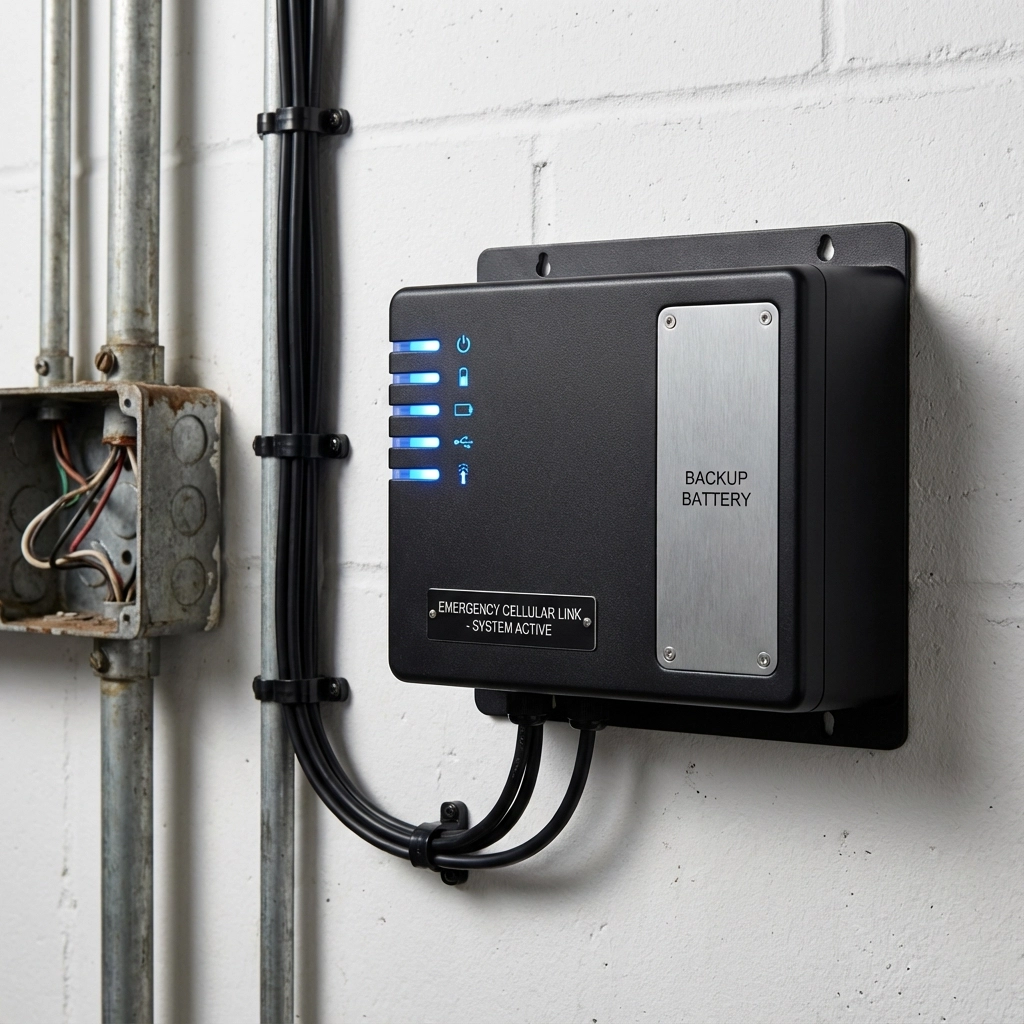
Cellular-based solutions are increasingly the gold standard for emergency systems because they're specifically engineered for mission-critical reliability. These systems:
- Eliminate POTS dependency entirely with dedicated cellular connections
- Include integrated battery backup meeting 4-hour code requirements
- Provide built-in monitoring and alert capabilities
- Support automatic location identification for emergency services
- Maintain signal quality comparable to traditional copper lines
The technology uses 4G LTE networks with 5G fallback, ensuring redundant connectivity even during network congestion.
VoIP Solutions
Best for: General office phones, non-critical communications
While VoIP works well for standard business phone systems, it has limitations for safety-critical applications:
- Requires stable internet connection and may fail during power outages
- May not meet emergency service location requirements without additional configuration
- Lacks built-in battery backup for extended outages
- Can experience call quality issues during network congestion
Hybrid "POTS-in-a-Box" Solutions
Best for: Legacy alarm systems, fax machines, specialty equipment
These devices provide analog interfaces that legacy equipment recognizes while converting signals to digital transmission. However, they often require:
- Additional power management for code compliance
- Internet connectivity which creates dependency issues
- Professional configuration for emergency service compatibility
Migration Best Practices: Avoiding Costly Mistakes
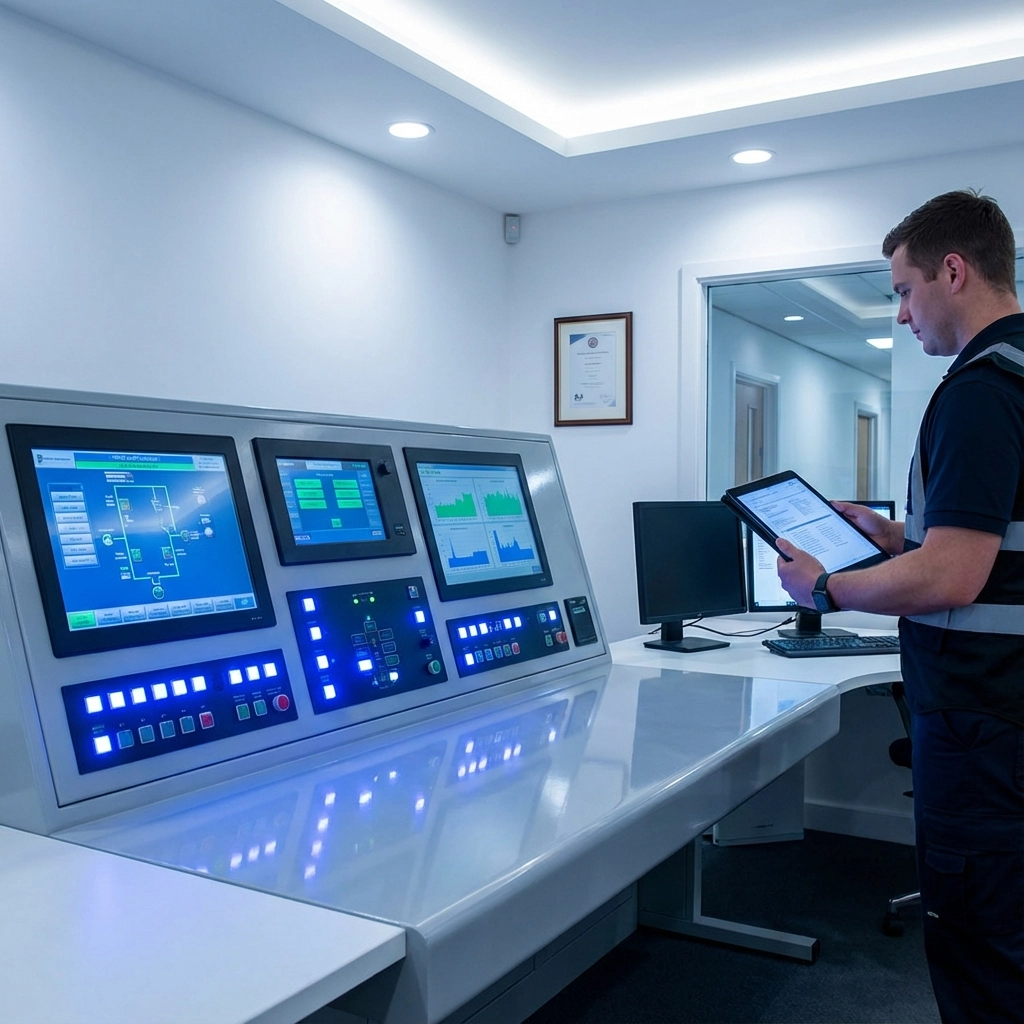
A successful POTS replacement project requires careful planning to maintain safety compliance and avoid service disruptions:
Step 1: Comprehensive Infrastructure Audit
Document every POTS-dependent device in your building:
- Elevator emergency phones and their monitoring contracts
- Fire alarm panel communications
- Security system connections
- Emergency call boxes and intercom systems
- Any specialty equipment using analog connections
Many building managers discover forgotten connections during this process, don't assume you know every line in use.
Step 2: Compliance Verification
Before selecting a replacement solution:
- Review your current monitoring contracts to ensure compatibility
- Consult with your fire alarm contractor about system requirements
- Coordinate with elevator maintenance providers on emergency phone standards
- Contact your local AHJ to discuss approved replacement technologies
Step 3: Phased Implementation Strategy
Rather than replacing everything simultaneously:
- Pilot test replacement solutions on non-critical systems first
- Maintain parallel operations during transition periods
- Schedule changes during maintenance windows to minimize disruptions
- Plan backup procedures in case of installation issues
Step 4: Testing and Validation
After installation, comprehensive testing is essential:
- Emergency call functionality to monitoring centers
- Automatic location identification accuracy
- Battery backup performance during simulated outages
- Alarm signal transmission quality and timing
- Integration compatibility with existing building systems
Professional installation typically requires multiple site visits: initial survey and planning, equipment installation, system configuration, and final testing. Allow 2-4 weeks for complete implementation depending on building complexity.
Frequently Asked Questions
Q: How much does POTS replacement cost compared to keeping existing lines?
A: While POTS replacement requires upfront investment ($200-500 per line), monthly costs are typically 30-50% lower than traditional copper service. Most buildings see ROI within 18-24 months, especially considering many carriers are increasing POTS rates significantly before discontinuing service.
Q: Will my elevator maintenance company support the new technology?
A: Most major elevator service providers now support cellular-based emergency phone solutions. However, verify compatibility before installation and ensure your solution includes proper documentation for maintenance teams.
Q: What happens if the cellular network goes down during an emergency?
A: Quality cellular solutions include redundant network connections and automatic failover between carriers. Many also support emergency services access through alternative routing protocols required by FCC regulations.
Q: Do I need to notify my insurance company about POTS replacement?
A: Yes, inform your insurance provider about any changes to fire safety or emergency communication systems. Most insurers prefer modern, monitored solutions over aging POTS infrastructure.
Q: Can I install POTS replacement equipment myself?
A: While some basic systems support DIY installation, safety-critical applications require professional installation and testing to ensure code compliance. Improper installation could void insurance coverage and create liability issues.
Taking Action: Your Next Steps
The POTS phase-out isn't waiting for your convenience. Every month you delay replacement planning increases the risk of service interruption and compliance issues that could impact building safety and operations.
Start by conducting a comprehensive audit of your POTS-dependent systems and researching replacement solutions that meet your specific compliance requirements. Focus on cellular-based solutions for safety-critical applications, and don't forget to coordinate with monitoring companies, maintenance contractors, and local authorities throughout the process.
Ready to ensure your building's safety systems remain compliant and operational? Premier Business Team specializes in POTS replacement solutions for elevator and fire safety systems. Our certified technicians understand both the technical requirements and code compliance standards essential for successful migration. Contact us today for a comprehensive building assessment and customized replacement strategy that keeps your facility safe and compliant throughout 2026 and beyond.
