

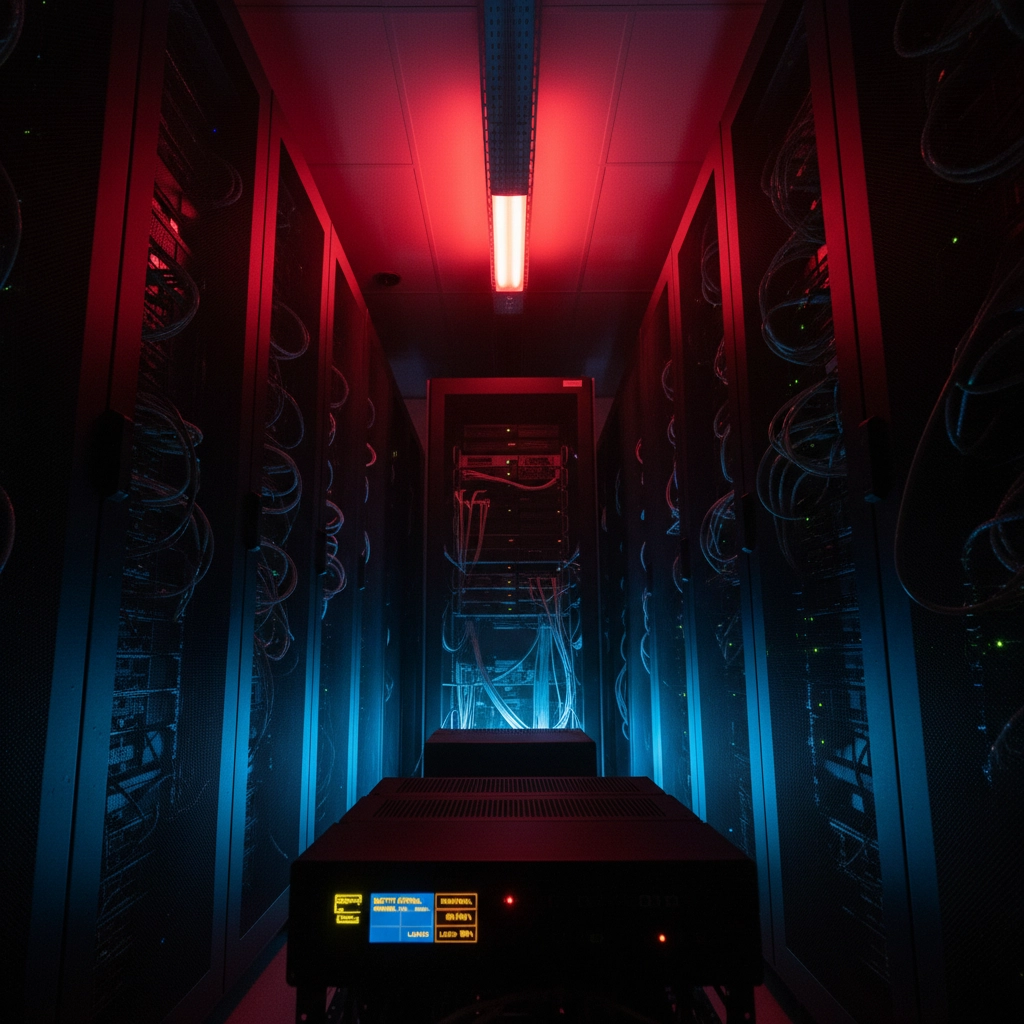
Winter 2026 is shaping up to be a make-or-break season for business technology infrastructure. With NERC’s latest reliability assessment warning that much of North America faces elevated risk of insufficient energy supplies during extreme winter conditions, your IT systems need to be bulletproof.
The reality? Electricity demand is growing 25% faster than new resources being added. When harsh winter weather hits, businesses unprepared for power fluctuations, connectivity issues, and system failures will face costly downtime.
But here’s the thing: most of these problems are completely preventable with the right preparation.
Why Winter IT Readiness Isn’t Optional Anymore
Your business technology faces unique challenges during winter months that don’t exist the rest of the year. Power grid instability, severe weather disruptions, and increased cyber threats create a perfect storm of IT vulnerabilities.
We’re seeing organizations across the Pacific Northwest and beyond scrambling to address these issues after problems occur. The smart move? Get ahead of winter before it gets ahead of you.
The numbers tell the story:
- Business downtime costs average $5,600 per minute
- 60% of companies that lose data shut down within 6 months
- Winter weather increases cyber attack success rates by 40%
Your competitors who prepare now will maintain operations while others struggle with outages, slow systems, and security breaches.
Critical Upgrades That Can’t Wait Until Spring
1. Uninterruptible Power Supply (UPS) Systems
The Problem: Standard UPS systems from 3+ years ago aren’t designed for today’s power demands or extended outages.
What to do: Upgrade to enterprise-grade UPS systems with at least 30 minutes of full-load capacity. Look for models with network management capabilities so you can monitor power conditions remotely.
Modern UPS systems should include:
- Automatic voltage regulation
- Surge protection beyond basic power strips
- Battery monitoring with replacement alerts
- Remote shutdown capabilities for connected systems
2. Network Infrastructure Hardening
The Problem: Aging network equipment fails more frequently during temperature fluctuations and power events.
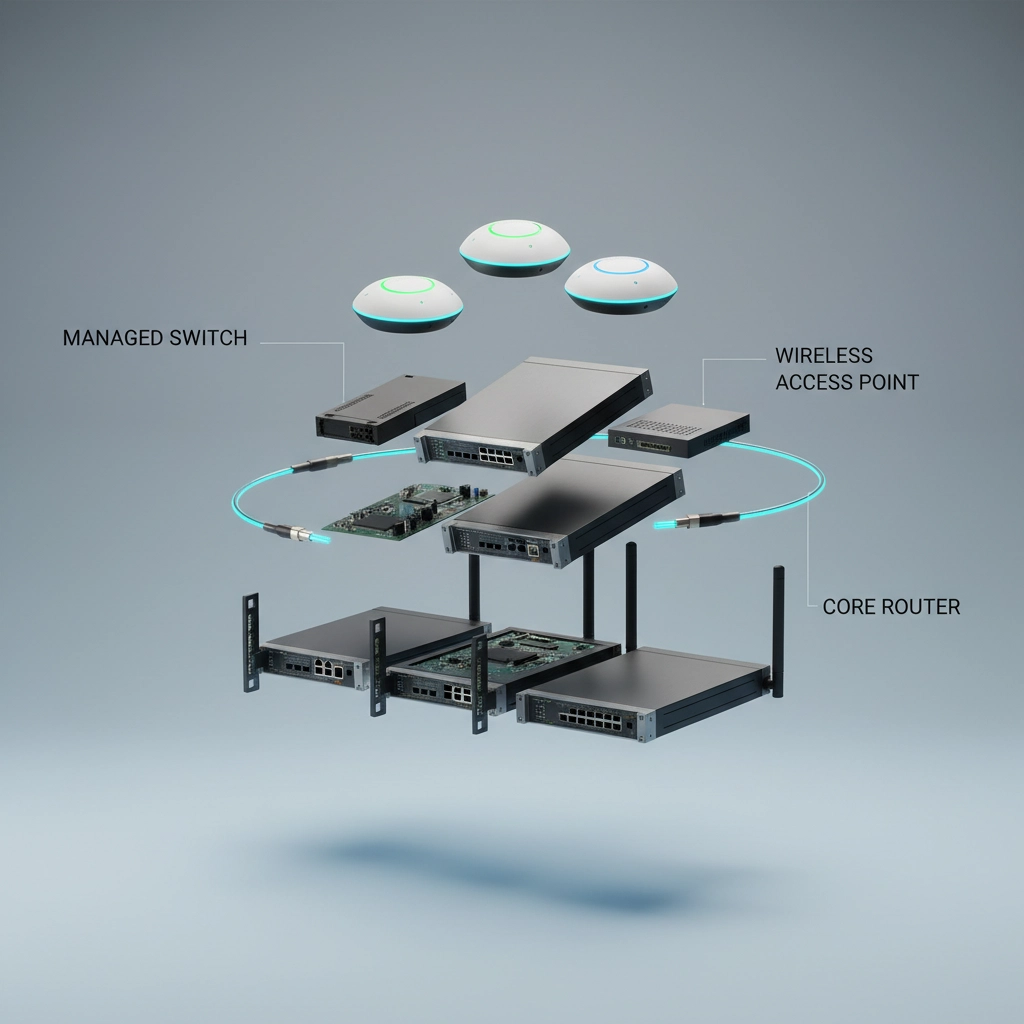
What to do: Replace network switches, routers, and wireless access points older than 5 years. Prioritize equipment with redundant power supplies and temperature monitoring.
Your network backbone should include:
- Managed switches with SNMP monitoring
- Redundant internet connections from different providers
- Professional-grade wireless systems with backup power
- Network monitoring tools that alert you before failures occur
3. Cloud Backup and Recovery Solutions
The Problem: Local backup systems fail when you need them most: during power outages and disasters.
What to do: Implement automated cloud backup with 15-minute recovery point objectives. Don’t rely on tape backups or single local storage solutions.
Essential cloud backup features:
- Continuous data protection for critical files
- Bare metal recovery capabilities
- Mobile access to restore operations from anywhere
- Regular recovery testing (not just backup verification)
Season-Proofing Your IT Infrastructure
Environmental Controls That Actually Work
Temperature monitoring isn’t just for server rooms anymore. Modern businesses need environmental sensors in every location where critical equipment operates.
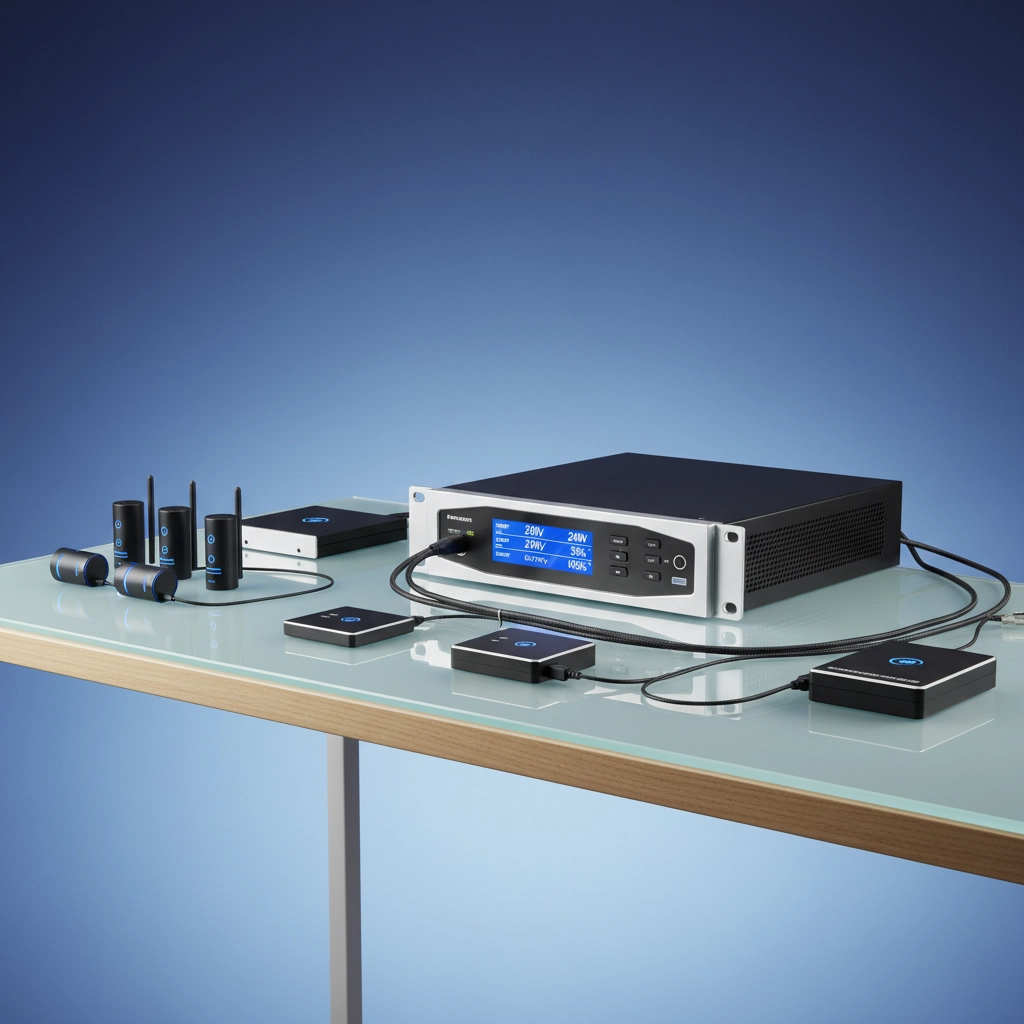
Install wireless temperature and humidity sensors that:
- Send alerts before equipment reaches dangerous levels
- Monitor power quality and voltage fluctuations
- Track humidity changes that cause condensation damage
- Provide historical data to predict maintenance needs
Power Protection Beyond Basic Surge Strips
Standard surge protectors won’t cut it against the power quality issues common during winter storms.
Upgrade to:
- Whole-facility surge protection at the electrical panel
- Line-interactive UPS systems for all networking equipment
- Power conditioners for sensitive equipment like POS systems
- Automatic transfer switches for critical systems

Connectivity Redundancy Planning
Single internet connections are a single point of failure. Winter weather, construction accidents, and equipment failures can knock you offline for hours or days.
Build redundancy with:
- Primary fiber connection with cable/DSL backup
- 4G/5G cellular failover for critical systems
- SD-WAN technology to automatically route around failures
- Voice over IP systems that work from any internet connection
Disaster Recovery Best Practices for 2026
Documentation That Actually Helps
Most disaster recovery plans fail because they’re outdated or incomplete when emergencies strike.
Your DR documentation should include:
- Contact lists with multiple methods (cell, email, alternate numbers)
- Step-by-step procedures written for non-technical staff
- Vendor contact information including after-hours support
- System passwords stored in secure, accessible locations
- Network diagrams showing how everything connects
Recovery Time Objectives You Can Actually Meet
Setting unrealistic recovery goals sets everyone up for failure. Be honest about how quickly you can actually restore operations.
Realistic RTOs for small-medium businesses:
- Email and communication: 15 minutes
- Core business applications: 2 hours
- Full operations: 8 hours
- Complete restoration: 24 hours
Plan your technology investments around these realistic timeframes, not wishful thinking.
Testing That Builds Confidence
Disaster recovery plans that haven’t been tested are just expensive paperwork.
Schedule quarterly tests that:
- Simulate realistic failure scenarios
- Include non-IT staff in recovery procedures
- Test backup systems under actual load conditions
- Document gaps and improvement opportunities
- Practice communication protocols with customers and vendors
Mobile Device Management for Winter Operations
Winter weather means more remote work and mobile access needs. Unmanaged devices become security vulnerabilities and productivity bottlenecks.
Implement MDM solutions that:
- Secure company data on personal devices
- Enable remote work from any location
- Provide VPN access that actually works
- Allow remote device wipes if equipment is lost
- Monitor device health and security compliance
For organizations needing comprehensive mobile strategies, our mobile device management guide covers enterprise-level implementations.
Cybersecurity Considerations for Winter 2026
Winter brings increased cyber risks as attackers exploit weather-related disruptions and remote work arrangements.
Priority security measures:
- Multi-factor authentication on all systems
- Advanced endpoint protection that works offline
- Email security that blocks weather-themed phishing attempts
- Regular security awareness training for staff
- Incident response procedures for cyber attacks
Organizations in Whatcom County and surrounding areas face specific regional threats: our local cybersecurity analysis identifies the most common attack vectors we’re seeing.
Your Winter Readiness Action Plan
Don’t tackle everything at once. Prioritize based on your biggest vulnerabilities:
Week 1: Assess current UPS and power protection
Week 2: Test backup and recovery systems
Week 3: Document and update emergency procedures
Week 4: Implement environmental monitoring
Week 5: Schedule comprehensive system health checks
The organizations that weather winter 2026 successfully will be those that prepare systematically, not frantically.
Get Professional Assessment Before Winter Hits
You don’t have to figure this out alone. Premier Business Team is offering complimentary IT readiness assessments through the end of December 2026 for Pacific Northwest businesses.
Our assessment includes:
- Infrastructure vulnerability analysis
- Disaster recovery plan review
- Power protection recommendations
- Cybersecurity gap identification
- Priority action plan with realistic timelines
Ready to bulletproof your business technology? Contact our team at premierbusinessteam.com/ or call us directly. We’re helping organizations like yours prepare for whatever winter 2026 brings: and we can help you too.
Don’t wait until the first major storm to discover what your technology can’t handle. The time to prepare is now, while you can plan strategically instead of reacting desperately.
