• Skip to primary navigation
  • Skip to main content
Premier Business Team

Premier Business Team

Your business connectivity and IT Team

  • Home
  • Business Internet
  • Business Phone
  • Blog
  • About Us
    • Our Featured Suppliers
  • Contact Us
  • Business Quote
    • Business Tech Assessment
  • Engineering
  • Call: 360-946-2626
  • Show Search
Hide Search

Blog Posts

SASE vs Traditional Cybersecurity: Which Protects Your Business Internet Better in 2026?

premierbusiness · December 29, 2025 ·

Here's the bottom line: SASE (Secure Access Service Edge) crushes traditional cybersecurity when it comes to protecting modern businesses in 2026. While your old-school firewall setup might have worked fine when everyone sat in the same office, today's hybrid workforce and cloud-first operations need something way more flexible and powerful.

Let me break down exactly why SASE is winning this battle and what it means for your business.

What Makes SASE So Much Better?

Think of SASE as the Swiss Army knife of cybersecurity. Instead of juggling five different security tools that barely talk to each other, you get everything bundled into one cloud-based platform that actually makes sense.

Zero Trust: The Game Changer

Traditional security basically says "if you're inside our network, you're probably okay." SASE flips that script completely with Zero Trust Network Access (ZTNA). Every single user and device gets verified before accessing anything: even if they're already "inside" your network.

This isn't just paranoid security theater. With cyberattacks on remote access solutions jumping 32% recently, that old "trust but don't verify" approach is getting businesses burned left and right.

Cloud-Native Architecture That Actually Scales

Remember the last time you needed to expand your traditional security setup? You probably had to buy more hardware, schedule installation downtime, and cross your fingers that everything would work together. SASE eliminates all that headache.

Since it's completely cloud-based, scaling up (or down) happens instantly. New office? New remote workers? No problem. Your security scales automatically without buying a single piece of hardware.
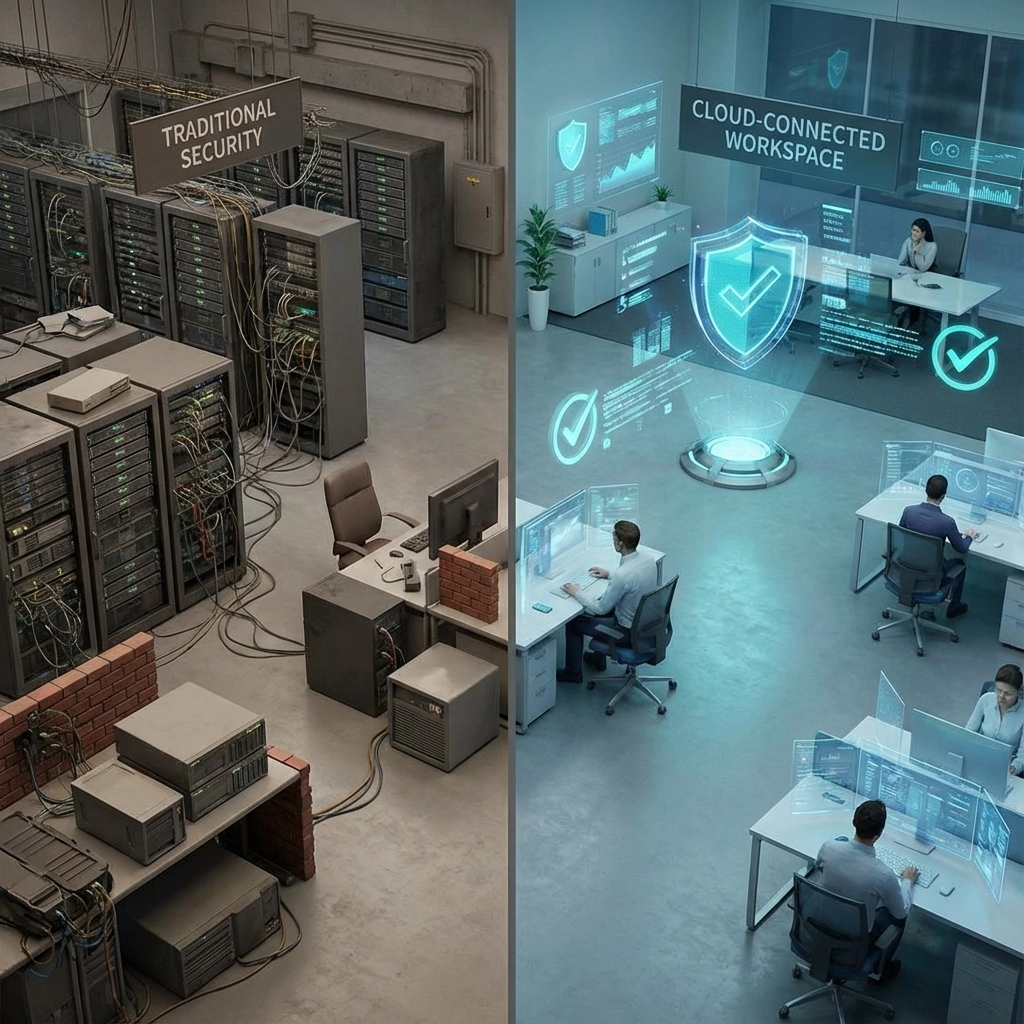
image_1

One Platform, Total Control

Instead of logging into separate dashboards for your firewall, antivirus, web gateway, and VPN, SASE gives you one centralized control panel. Your IT team can monitor threats, adjust policies, and respond to incidents from anywhere: no more rushing to the office because something's on fire.

Why Traditional Cybersecurity Is Falling Behind

Don't get me wrong: traditional security wasn't terrible for its time. But trying to protect modern businesses with 2010-era security is like using a flip phone in the smartphone age.

The Hardware Headache

Traditional cybersecurity means buying expensive hardware upfront. Firewalls, intrusion detection systems, content filters: each one costs thousands of dollars before you even plug them in. Then you need the physical space, power, cooling, and someone who knows how to configure everything.

Want to expand? Time to buy more boxes and start the whole process over again.

Separate Tools = Security Gaps

Here's where traditional security really struggles. When your firewall doesn't talk to your endpoint protection, and your VPN operates in its own silo, you get blind spots. Attackers love these gaps between systems.

Managing multiple disconnected tools also slows down your response time when threats appear. By the time you've checked three different dashboards and figured out what's happening, the damage might already be done.

Remote Work Reality Check

Traditional security was designed when "remote work" meant occasionally dialing in from home. Today's workforce is scattered across coffee shops, home offices, and co-working spaces: and traditional perimeter-based security just can't keep up.

Those SSL VPNs everyone's been relying on? They're static, slow, and frankly pretty vulnerable. Employees hate using them, which means they find workarounds that create even bigger security risks.

For businesses dealing with these exact challenges, our guide on cybersecurity challenges for SMBs dives deeper into practical solutions.

The Real-World Comparison

Let me put this in perspective with what actually matters for your business:

Deployment Speed: SASE gets you protected in hours or days. Traditional security? You're looking at weeks or months of planning, purchasing, and implementation.

Cost Structure: SASE uses predictable monthly subscriptions. Traditional security hits you with massive upfront costs, then surprise maintenance bills and upgrade expenses.

User Experience: SASE provides seamless, always-on protection that users don't even notice. Traditional VPNs make employees jump through hoops every time they need to access company resources.

Threat Response: SASE responds to threats in real-time across your entire network. Traditional security requires manual coordination between different tools and teams.

Scalability: SASE grows instantly with your business. Traditional security requires planning, budgeting, and infrastructure changes for every expansion.

image_2

What the Numbers Tell Us

Gartner isn't messing around with their prediction: 85% of enterprises will have clear SASE adoption strategies by 2026. That's up from just 10% in 2020. The SASE market is exploding toward $17.22 billion by 2030 because businesses are seeing the results.

But here's the reality check: only 7% of enterprises currently unlock SASE's full potential. Most organizations are still figuring out how to integrate it properly with their existing systems.

This is exactly where having the right technology partner makes all the difference. Understanding the urgent need for advanced cybersecurity in today's landscape is just the first step.

Making the Right Choice for Your Business

Choose SASE if you:

  • Have remote or hybrid workers (which is basically everyone now)
  • Use cloud applications like Office 365, Salesforce, or Google Workspace
  • Want security that doesn't slow down your team
  • Need to scale quickly without infrastructure headaches
  • Want predictable security costs without surprise bills

Stick with traditional security only if:

  • Your entire operation is permanently office-based (rare these days)
  • You have specific compliance requirements that demand on-premise solutions
  • You're planning a complete infrastructure overhaul anyway

The 2026 Reality

Looking ahead to 2026, the choice becomes even clearer. Cyber threats are getting more sophisticated, workforces are staying distributed, and cloud adoption isn't slowing down. Traditional security simply wasn't designed for this reality.

SASE isn't just better technology: it's the foundation for how successful businesses will operate in the coming years. Companies that make the switch now get ahead of security challenges instead of constantly reacting to them.

The integration capabilities mean you don't have to rip out everything you've already invested in. SASE can work alongside your existing tools while gradually replacing them with more efficient, effective protection.

image_3

Ready to Upgrade Your Business Security?

Don't let outdated cybersecurity hold your business back in 2026. While your competitors struggle with multiple security tools and reactive threat response, you could have integrated, proactive protection that scales with your growth.

At Premier Business Team, we help businesses transition from traditional security headaches to streamlined SASE solutions that actually work for modern operations. Our vendor-neutral approach means you get the right technology for your specific needs: not whatever one vendor is pushing this quarter.

Ready to see what SASE can do for your business? Schedule a free security assessment with our team. We'll evaluate your current setup, identify vulnerabilities, and show you exactly how SASE can improve your protection while reducing complexity and costs.

Contact Premier Business Team today for your complimentary cybersecurity consultation. Your future self (and your employees) will thank you for making security simple again.

POTS Phone Line Replacement for Businesses in Mount Vernon

premierbusiness · December 29, 2025 ·

Mount Vernon businesses are facing an urgent deadline: traditional copper-based POTS (Plain Old Telephone Service) lines are being discontinued nationwide. With major carriers like AT&T phasing out these legacy systems throughout 2026, local businesses need reliable replacement solutions that maintain critical operations without breaking the budget.

If your Mount Vernon business still relies on POTS lines for elevators, fire suppression systems, alarm monitoring, or basic phone service, the time to transition is now: before you're left without essential communications when you need them most.

Why Mount Vernon Businesses Can't Wait on POTS Replacement

The FCC's mandate to phase out copper infrastructure isn't a distant concern: it's happening right now across Washington State. Mount Vernon businesses that delay replacement risk:

  • Service interruptions during emergencies when elevator phones fail
  • Code violations if fire suppression systems lose connectivity
  • Security gaps when alarm systems can't communicate with monitoring centers
  • Skyrocketing costs as remaining POTS providers charge premium rates for legacy service

Local businesses from retail shops on First Street to manufacturing facilities near the Skagit River are discovering that proactive POTS replacement actually improves their operations while ensuring compliance.

image_1

Critical Systems That Need POTS Line Replacement in Mount Vernon

Elevator Emergency Phones

Washington State building codes require functioning emergency communication in elevators. When POTS lines fail, your building faces liability issues and potential fines. Modern elevator phone solutions provide:

  • Reliable cellular or SIP-based connectivity
  • Automatic testing and monitoring
  • Crystal-clear audio quality during emergencies
  • Compliance with ADA and state safety requirements

Fire Suppression and Safety Systems

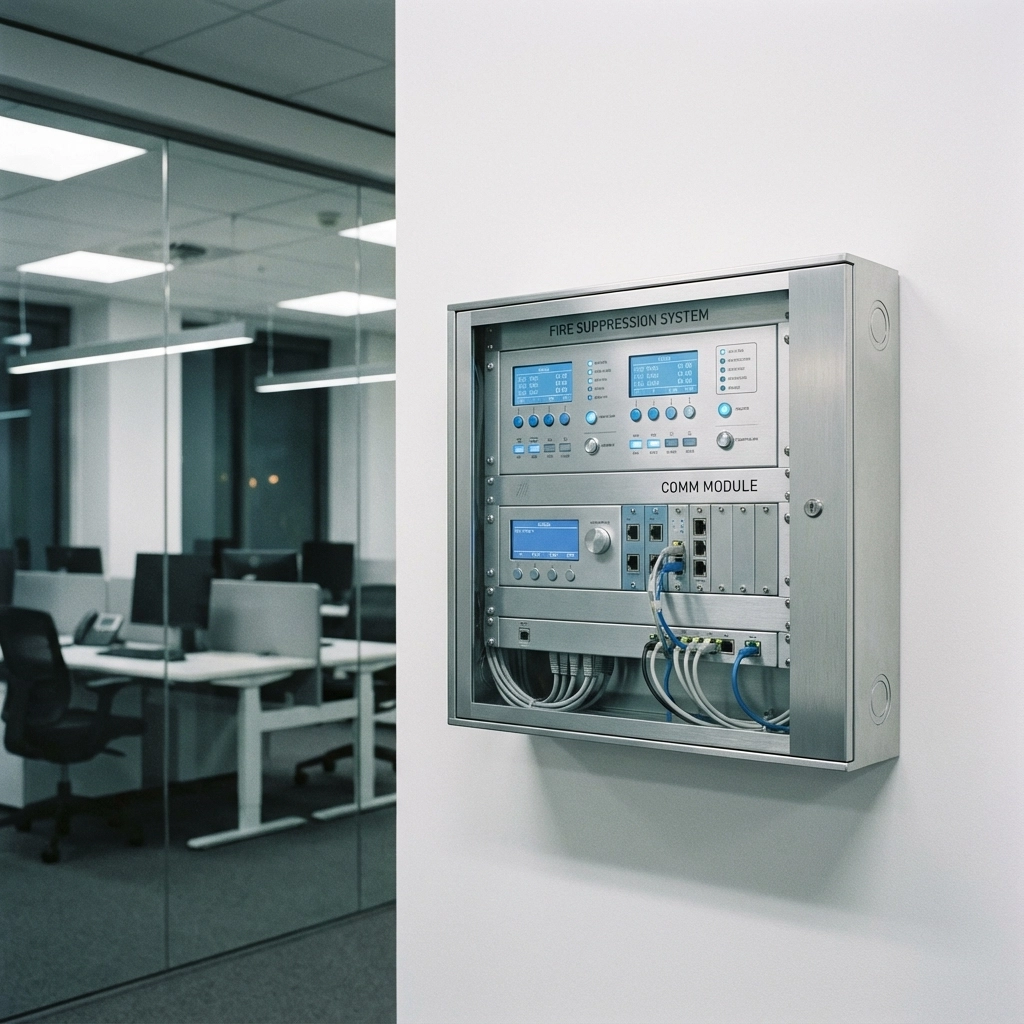
Fire panels throughout Mount Vernon businesses depend on phone line connectivity to alert monitoring centers and emergency services. Cloud phone systems offer superior reliability compared to aging copper infrastructure, ensuring your fire suppression system communicates instantly when seconds count.

Security and Alarm Systems

From retail stores to office buildings, Mount Vernon businesses rely on alarm systems that communicate via phone lines. Modern replacements provide:

  • Faster signal transmission than traditional copper
  • Backup connectivity options for redundancy
  • Remote monitoring capabilities
  • Integration with modern security platforms

Fax Machines and Legacy Equipment

Many Mount Vernon healthcare facilities, legal offices, and government contractors still require fax capabilities. POTS replacement solutions maintain fax functionality while adding modern features like cloud storage and mobile access.

POTS Replacement Solutions for Mount Vernon Businesses

SIP Trunking Services

Session Initiation Protocol (SIP) trunking converts your existing phone system to work over internet connections. This cost-effective solution:

  • Reduces monthly phone costs by 30-60%
  • Maintains compatibility with existing equipment
  • Provides scalability for growing businesses
  • Offers advanced features like call analytics and routing

Wireless and Cellular Alternatives

For businesses where running new internet lines is impractical, wireless POTS replacement provides immediate connectivity:

  • 5G/LTE connectivity ensures reliable service throughout Skagit County
  • Quick installation without rewiring buildings
  • Battery backup maintains service during power outages
  • Perfect for remote locations like agricultural facilities or construction sites

image_2

Hybrid Phone System Solutions

Mount Vernon businesses transitioning from traditional systems benefit from hybrid approaches that combine the best of old and new technology. These systems allow gradual migration while maintaining business continuity.

Premier Business Team's Vendor-Neutral Advantage

Unlike telecommunications companies that push their own products, Premier Business Team provides truly vendor-neutral consulting for Mount Vernon businesses. Our approach ensures:

Unbiased Solution Assessment

We evaluate your specific needs: from the number of elevator phones in your building to fax requirements for your medical practice: without favoring any particular vendor. This objectivity saves Mount Vernon businesses an average of 25% on their telecommunications costs.

Local Expertise with National Resources

As IT and telecommunications specialists serving the Pacific Northwest, we understand unique regional challenges like earthquake preparedness and backup power requirements. Our vendor relationships span national carriers and specialized providers, ensuring the best solution for your Mount Vernon location.

Comprehensive Integration

Rather than just replacing phone lines, we examine how communications integrate with your broader technology infrastructure. This holistic approach often reveals opportunities to improve cybersecurity and streamline operations simultaneously.

image_3

Cost Savings and ROI from POTS Replacement

Mount Vernon businesses consistently discover that POTS replacement pays for itself through immediate cost reductions and improved efficiency.

Immediate Savings

  • Monthly service costs typically drop 40-70% compared to aging POTS lines
  • Eliminate per-minute charges with unlimited calling plans
  • Reduce maintenance costs by replacing unreliable copper infrastructure
  • Bundle services to combine voice, internet, and security for additional savings

Long-Term Value

Modern phone systems provide features that drive business growth:

  • Mobile integration allows staff to answer business calls anywhere
  • Call analytics reveal customer behavior patterns
  • Automated attendants improve professional image while reducing staffing costs
  • Unified communications streamline collaboration between locations

Ensuring Compliance and Reliability

Mount Vernon businesses operating under regulatory requirements need POTS replacement solutions that exceed compliance standards.

E911 Enhanced Emergency Services

Modern replacement systems provide more accurate location information to emergency responders than traditional POTS lines. This enhanced capability can be life-saving in facilities like:

  • Healthcare practices and assisted living facilities
  • Manufacturing plants with safety hazards
  • Multi-story office buildings
  • Educational institutions

Redundancy and Backup Systems

Professional POTS replacement includes multiple layers of protection:

  • Automatic failover to backup connections
  • Battery backup systems for power outages
  • Geographically diverse routing to prevent single points of failure
  • 24/7 monitoring with immediate alerts for any issues

image_4

Implementation Timeline for Mount Vernon Businesses

The POTS replacement process typically follows this timeline:

Week 1: Assessment and Planning

  • Site survey of existing equipment and requirements
  • Vendor evaluation and solution recommendation
  • Budget approval and contract execution

Week 2-3: Installation Preparation

  • Equipment procurement and staging
  • Coordination with existing service providers
  • Staff training materials preparation

Week 4: Implementation

  • Professional installation with minimal disruption
  • Testing of all critical systems
  • Cutover from old to new service
  • Staff training on new features

Ongoing: Support and Optimization

  • 24/7 monitoring and support
  • Regular performance reviews
  • Feature updates and enhancements
  • Proactive maintenance

Ready to Replace Your POTS Lines? Take Action Today

Mount Vernon businesses can't afford to wait as POTS service becomes increasingly unreliable and expensive. Every day of delay increases the risk of service interruptions that could impact safety, security, and profitability.

Premier Business Team's vendor-neutral approach ensures you get the right solution for your specific needs, whether you're a small retail shop, a growing professional practice, or a large manufacturing facility. Our local expertise combined with national vendor relationships delivers cost-effective POTS replacement that actually improves your business operations.

Don't let outdated phone lines put your Mount Vernon business at risk. Contact Premier Business Team today for a free POTS replacement assessment and discover how much you can save while improving reliability and adding powerful new features to your communications infrastructure.

Ready to modernize your business communications? Visit our website or call now to schedule your consultation with Mount Vernon's trusted telecommunications experts.

Business Phone Systems & Cloud VoIP Solutions in Seattle, WA

premierbusiness · December 29, 2025 ·

Seattle's thriving business landscape—from tech startups in South Lake Union to established enterprises downtown—is rapidly embracing cloud-based phone systems and VoIP solutions. Traditional landlines are becoming obsolete, replaced by flexible, cost-effective cloud phone systems that support Seattle's dynamic work environment and growing remote workforce.

Whether you're running a small business in Capitol Hill, managing a medical practice in Ballard, or operating a multi-location enterprise across the greater Seattle area, modern business phone systems offer the reliability, scalability, and advanced features your organization needs to compete in today's market.

Why Seattle Businesses Are Making the Switch to Cloud VoIP

The shift from traditional PBX systems to cloud-based VoIP solutions isn't just a trend: it's a strategic business decision. Seattle companies are discovering that cloud phone systems deliver immediate cost savings, typically reducing monthly communication expenses by 30-50% compared to legacy systems.

Cost Efficiency: Cloud phone systems eliminate the need for expensive on-premises hardware, ongoing maintenance contracts, and dedicated IT resources. Instead of investing thousands in PBX equipment that becomes obsolete in a few years, Seattle businesses pay predictable monthly fees that include system updates, security patches, and feature enhancements.

Scalability for Growth: Seattle's entrepreneurial ecosystem demands flexibility. Cloud phone systems allow businesses to add or remove users instantly, whether you're scaling from 10 to 100 employees or adjusting for seasonal fluctuations. This agility is particularly valuable for Seattle's tech companies and seasonal businesses.

Remote Work Support: The Pacific Northwest's embrace of flexible work arrangements makes cloud phone systems essential. Employees can access their business phone system from anywhere with internet connectivity, maintaining professional communication whether they're working from home in Fremont, a coffee shop in Pike Place, or traveling for business.

image_1

Essential Features of Modern Business Phone Systems

Today's cloud phone systems go far beyond basic call handling. Unified Communications as a Service (UCaaS) platforms integrate voice, video, messaging, and collaboration tools into a single platform, streamlining communication across your Seattle organization.

Auto-Attendant and Call Routing: Professional greeting systems and intelligent call routing ensure customers reach the right department or employee quickly. This is particularly valuable for service-based businesses throughout Seattle that need to maintain high customer satisfaction levels.

Mobile Integration: Native mobile apps allow employees to use their business phone number on personal devices, maintaining professional communication while preserving work-life boundaries. This feature has become indispensable for Seattle's mobile workforce.

Advanced Analytics and Reporting: Modern systems provide detailed insights into call patterns, wait times, and team performance. These analytics help Seattle businesses optimize their customer service operations and identify growth opportunities.

CRM Integration: Leading cloud phone systems integrate seamlessly with popular CRM platforms, automatically logging calls and providing context for customer interactions. This integration is crucial for maintaining the high service standards that Seattle customers expect.

Contact Center and Customer Experience Solutions

For Seattle businesses focused on customer service excellence, Contact Center as a Service (CCaaS) solutions provide enterprise-level capabilities without enterprise-level complexity or cost. These platforms combine traditional phone functionality with advanced Customer Experience (CX) features.

Omnichannel Support: Modern contact center solutions handle phone calls, emails, chat, and social media interactions from a unified interface. This comprehensive approach ensures consistent customer experiences across all touchpoints.

AI-Powered Features: Artificial intelligence enhances customer interactions through intelligent call routing, sentiment analysis, and automated responses. These features help Seattle businesses provide faster, more personalized service while reducing operational costs.

Quality Management: Built-in call recording, monitoring, and coaching tools help maintain service quality and support employee development: essential for businesses competing in Seattle's service-oriented market.

image_2

Popular Cloud Phone System Providers for Seattle Businesses

RingCentral leads the market with comprehensive UCaaS capabilities, offering robust integrations with popular business applications and enterprise-grade reliability. Their platform scales effectively from small Seattle startups to large corporations.

Microsoft Teams Phone integrates seamlessly with the Microsoft 365 ecosystem that many Seattle businesses already use. This solution is particularly attractive for organizations seeking to consolidate their communication and collaboration tools.

Zoom Phone leverages the company's video conferencing expertise to deliver integrated voice and video communications. Their platform resonates with Seattle's tech-forward business community.

8×8 provides enterprise-level features with strong analytics and contact center capabilities, making it ideal for larger Seattle organizations with complex communication needs.

Nextiva focuses on customer experience, offering advanced features for businesses that prioritize customer service excellence.

Local Considerations for Seattle Businesses

Internet Infrastructure: Seattle's robust fiber and broadband infrastructure provides the reliable internet connectivity that VoIP systems require. However, businesses should ensure they have sufficient bandwidth and consider backup internet connections for mission-critical operations. Need help evaluating primary and backup circuits? Request a free assessment.

Regulatory Compliance: Healthcare practices, legal firms, and financial services companies in Seattle must ensure their phone systems meet industry-specific compliance requirements, including HIPAA, SOX, and other regulations.

Disaster Recovery: Seattle's location in a seismically active region makes business continuity planning essential. Cloud phone systems provide inherent disaster recovery capabilities, automatically routing calls to alternate locations or mobile devices during outages. Have questions about SD-WAN or automatic failover options? Talk with our team.

Local Support: While cloud phone systems are managed remotely, having access to local technical support can be valuable for complex installations or urgent issues.

image_3

Industry-Specific Solutions for Seattle

Healthcare and Dental Practices: Medical offices throughout Seattle require HIPAA-compliant communication systems with features like secure messaging, appointment reminders, and integration with practice management software.

Legal Firms: Seattle's legal community needs secure communication platforms with call recording capabilities, professional auto-attendants, and integration with legal case management systems.

Real Estate: The dynamic Seattle real estate market demands mobile-friendly phone systems that allow agents to maintain professional communication while showing properties throughout the region.

Technology Companies: Seattle's tech sector requires advanced collaboration features, international calling capabilities, and seamless integration with development and project management tools.

Implementation and Migration Considerations

Transitioning to a cloud phone system requires careful planning to minimize disruption to your Seattle business operations. Number porting allows you to keep existing phone numbers, maintaining continuity for customers and marketing materials.

Training and Adoption: While modern phone systems are intuitive, ensuring your team understands new features maximizes your investment. Look for providers offering comprehensive training and ongoing support.

Security: Cloud phone systems include enterprise-grade security features, but businesses should understand their responsibilities for user management, password policies, and access controls.

Ready to map out your rollout? Start with a quick Business Tech Assessment.

FAQs: Business Phone Systems in Seattle, WA

What internet speed do we need for VoIP?
Plan for roughly 100 Kbps per concurrent call plus headroom for other apps. Prioritize business-grade fiber or cable, enable Quality of Service (QoS), and consider SD-WAN for multiple sites. Not sure where to start? Request a free assessment.

Can we keep our existing phone numbers?
Yes—most numbers can be ported. Typical timelines range from 2–4 weeks depending on the losing carrier. We’ll help plan overlap so you stay reachable throughout. Contact us to review your carrier details.

How does E911 work for remote or hybrid teams?
Modern UCaaS platforms support dynamic E911, mapping users to their current address/location. Ensure addresses are kept up to date, test regularly, and train staff on emergency dialing.

Microsoft Teams Phone vs. RingCentral vs. Zoom Phone—which is best?
It depends on your Microsoft 365 usage, contact center needs, integrations, and budget. We’ll compare options side-by-side so you don’t overpay or miss critical features. Start with a Business Tech Assessment.

What about compliance for healthcare and financial services?
Choose providers that offer HIPAA/SOC 2 compliance, BAAs (where applicable), encryption, and detailed audit logs. We can help validate settings and documentation. Talk with our team.

How much does a cloud phone system cost?
Most UCaaS plans range from about $15–$35 per user per month, with CCaaS priced higher based on channels and advanced features. Get an exact custom quote.

How Premier Business Team Serves Seattle Businesses

As a vendor-neutral technology consultant, Premier Business Team helps Seattle businesses navigate the complex landscape of business phone systems and cloud communications. Rather than pushing a single solution, we evaluate your specific needs, budget, and growth plans to recommend the best fit from leading providers.

Our approach includes:

Needs Assessment: We analyze your current communication challenges, call patterns, and business requirements to identify the optimal solution.

Vendor Evaluation: Our team maintains relationships with multiple providers, ensuring you receive competitive pricing and favorable contract terms.

Implementation Support: We coordinate the entire deployment process, from initial planning through training and go-live support.

Ongoing Optimization: Technology needs evolve, and we provide ongoing support to ensure your phone system continues meeting your business requirements as you grow.

Our understanding of Seattle's business environment, from the unique challenges of the hospitality industry in Pioneer Square to the rapid scaling needs of South Lake Union startups, allows us to provide tailored recommendations that support your success. Learn more about our services at Premier Business Team.

image_4

Making the Right Choice for Your Seattle Business

Selecting a business phone system is a strategic decision that impacts daily operations, customer satisfaction, and bottom-line costs. The right cloud phone system should align with your business goals, integrate with existing tools, and provide the flexibility to adapt as your Seattle business grows.

Consider factors like:

  • Current and projected user count
  • Required features and integrations
  • Budget for both setup and ongoing costs
  • International calling requirements
  • Compliance and security needs
  • Support and training requirements

Ready to explore modern business phone systems for your Seattle business? Premier Business Team offers free consultations to help you understand your options and identify the best solution for your specific needs. Our vendor-neutral approach ensures you receive unbiased recommendations based on your business requirements, not sales quotas.

Contact Premier Business Team today for a free consultation and quote on business phone systems, VoIP solutions, and cloud communications for your Seattle business. Contact us or request a free quote. Let us help you find the perfect system to support your growth and success.

Stop Wasting Money on Separate Systems: How Unified Communications Integrates Your Phone, Internet, and Security

premierbusiness · December 28, 2025 ·

Look, we get it. Your office probably looks like a tech graveyard right now: one system for phones, another for internet, a third for security cameras, plus separate software for video calls, messaging, file sharing, and who knows what else. Each system has its own monthly bill, its own support headaches, and its own way of making your life complicated.

What if we told you there's a better way? One that could cut your monthly tech bills by thousands while actually making everything work better together? That's exactly what unified communications (UC) does, and it's time you knew about it.

The Hidden Cost of System Sprawl

Most businesses don't realize how much they're bleeding money on redundant systems. You've got:

  • A traditional phone system (PBX) with monthly service fees
  • High-speed business internet from one provider
  • Security cameras and access control from another vendor
  • Video conferencing software subscriptions
  • Instant messaging apps
  • File sharing platforms
  • Email hosting
  • Mobile phone plans
  • Separate IT support contracts for each system

Add it all up, and you're probably looking at $500-2,000+ per month for a small business, with enterprise costs reaching tens of thousands. But here's the kicker: most of these systems don't talk to each other, creating inefficiencies that cost you even more in lost productivity.

image_1

How Unified Communications Changes Everything

Unified Communications isn't just another tech buzzword: it's a complete rethink of how business technology should work. Instead of juggling multiple vendors and platforms, UC brings your phone system, internet connectivity, security features, and collaboration tools into one integrated platform.

Here's what that actually looks like in practice:

Your Phone System Goes Digital: Instead of that clunky PBX system taking up space in your closet, your phones run through the same internet connection that powers everything else. Cloud phone systems deliver better call quality, more features, and none of the maintenance headaches.

Internet Becomes Your Foundation: Your business internet isn't just for web browsing anymore: it's the backbone that carries your voice calls, video conferences, security feeds, and file transfers. When it's properly configured, one robust connection can handle everything.

Security Gets Smarter: Modern UC platforms include built-in security features that protect your communications, while advanced cybersecurity solutions can be layered on top to create comprehensive protection.

Everything Talks to Everything: Your phone system knows when you're in a video call and routes calls to voicemail. Your security system sends alerts through the same platform where you handle customer communications. Your team can switch from instant messaging to video calls with one click.

Real Numbers: What UC Actually Saves You

Let's talk specifics, because vague promises don't pay your bills. Companies that switch to unified communications typically see:

52% improvement in workplace productivity: When employees aren't wasting time switching between apps and hunting for information across different systems, they get more done. A lot more.

25-40% reduction in communication costs: Consolidating multiple services under one provider eliminates redundant charges and often gets you better volume pricing.

30% savings in operational costs: Less time spent on system management, fewer IT support calls, and reduced training needs when everyone's using the same platform.

Here's a real example: A 25-employee professional services firm was paying $1,800/month for separate phone service, internet, video conferencing, and collaboration tools. After switching to a UC solution, they're paying $1,100/month for better service and features. That's $8,400 saved per year, plus the productivity gains.

image_2

The Integration That Actually Matters

The magic of UC isn't just that everything runs on one platform: it's how these systems work together to solve real business problems:

Intelligent Call Routing: Your phone system knows who's available, who's in meetings, and who has the skills to handle specific customer issues. No more phone tag or transferred calls that go nowhere.

Seamless Mobility: Your employees can take their desk phone number anywhere, switch calls from desk phone to mobile, and access all their business communications from any device.

Unified Messaging: Voice messages, emails, texts, and chat messages all show up in one place. No more checking five different systems to see if someone tried to reach you.

Integrated Security: When everything runs through the same infrastructure, you can implement comprehensive security policies that protect all your communications, not just some of them.

Collaborative Problem-Solving: When a customer calls with a complex issue, your team can instantly bring in experts via video, share screens, access files, and solve problems in real-time without putting the customer on hold.

What About Your Existing Systems?

We know what you're thinking: "This sounds great, but we just invested in [insert expensive system here] last year." The good news is that most UC implementations can integrate with your existing infrastructure rather than replacing everything at once.

Modern UC platforms can often work with your current phone numbers, security cameras, and even some legacy systems. The key is having a vendor-neutral advisor who can assess what you have and design a migration path that makes financial sense.

The Security Integration You've Been Missing

Traditional security systems operate in isolation: cameras record, access controls lock doors, and alarms sound. But when security integrates with your communications platform, you get intelligent automation that actually protects your business:

  • Motion detection can automatically start recording and send real-time alerts to security personnel through the same system they use for all communications
  • Access control systems can integrate with employee directories, automatically updating permissions when people join or leave
  • Emergency communications can instantly reach all employees through every channel: desk phones, mobile phones, computers, and even digital displays

This level of integration is impossible when you're running separate systems from different vendors. Modern cybersecurity approaches require this kind of unified visibility.

image_3

Making the Switch: What to Expect

Moving to unified communications isn't like flipping a switch: it's a process that smart businesses handle strategically:

Assessment Phase: Understanding what you currently have, what you actually need, and where the biggest cost savings opportunities exist.

Design Phase: Creating a unified system that meets your specific business requirements while maximizing cost savings and productivity gains.

Migration Phase: Moving from your current systems to the new platform with minimal disruption to daily operations.

Optimization Phase: Fine-tuning the system based on actual usage patterns and adding new features as your business grows.

The businesses that get the best results from UC are those that work with experienced advisors who understand both the technology and the business impact. It's not just about getting new equipment: it's about redesigning how your business communicates and collaborates.

Why Timing Matters in 2026

Several factors make right now the perfect time to consolidate your business communications:

Legacy System Phase-Outs: Many traditional phone systems are being discontinued, forcing businesses to make changes anyway. Why not upgrade to something better instead of just replacing old with old?

Remote Work Requirements: The businesses thriving in today's economy are those that can seamlessly support both in-office and remote employees. UC makes this possible without doubling your costs.

AI Integration: Modern UC platforms are incorporating AI features that can automatically transcribe calls, analyze customer sentiment, and even handle routine inquiries. These capabilities are only available when your communications are digital and integrated.

Cybersecurity Compliance: New regulations and security threats require more comprehensive protection than piecemeal security solutions can provide.

image_4

Getting Started Without the Overwhelm

The biggest mistake businesses make is trying to figure this out alone. UC involves complex technical decisions about bandwidth, security protocols, integration requirements, and vendor selection. Get it wrong, and you could end up with more problems than you started with.

The smartest approach is working with a vendor-neutral technology advisor who can assess your specific situation and design a solution that actually makes sense for your business. Not every business needs the same UC features, and not every vendor offers the same value.

At Premier Business Team, we specialize in helping businesses just like yours cut through the complexity and find solutions that actually deliver results. We'll assess your current systems, identify cost-saving opportunities, and design a unified communications strategy that supports your business goals: not just the latest tech trends.

Stop Paying for Chaos

Every month you delay consolidating your business communications is another month of unnecessary expenses and productivity losses. Your competitors who have already made this transition are operating more efficiently and serving customers better while spending less on technology.

But here's the good news: you don't have to figure this out alone or make these decisions in a vacuum.

Ready to see exactly how much unified communications could save your business? Contact Premier Business Team today for a free technology assessment. We'll analyze your current systems, identify specific cost savings opportunities, and show you exactly what a unified communications solution would look like for your business.

Call us at (your phone number) or schedule your free consultation online. Let's stop the technology chaos and start saving you money.

POTS Phone Line Replacement for Businesses in Seattle

premierbusiness · December 28, 2025 ·

Seattle businesses are facing a critical telecommunications deadline. Traditional POTS (Plain Old Telephone Service) phone lines that have served companies for decades are being phased out by major carriers, forcing organizations across the Emerald City to modernize their communication infrastructure or face skyrocketing costs and potential service disruptions.

If your Seattle business still relies on copper-based analog phone lines for essential systems like elevator emergency phones, fire suppression alarms, or security systems, the time to act is now. Major telecom providers are aggressively decommissioning their POTS networks, and the costs associated with maintaining these legacy systems have become unsustainable.

The POTS Crisis Hitting Seattle Businesses

The telecommunications landscape has shifted dramatically. Carriers are no longer required by the FCC to maintain traditional copper phone networks, and they're responding by implementing massive rate increases: some as high as 400%: to encourage businesses to migrate to modern alternatives. Seattle companies that continue using POTS lines are often paying $350 or more per month for basic analog service, with prices increasing annually.

This isn't just about cost. As carriers focus resources on fiber-optic and wireless infrastructure, the reliability of aging copper networks continues to decline. For businesses that depend on these lines for critical safety systems, the risk of service interruptions poses serious compliance and liability concerns.

image_1

Critical Applications That Need Immediate Attention

Seattle's robust commercial real estate market means thousands of buildings rely on POTS lines for essential safety systems:

Elevator Emergency Phones: Building codes require reliable emergency communication in elevators. POTS replacement solutions maintain compliance with ASME A17.1 standards while providing clearer voice quality and enhanced reliability.

Fire Suppression Systems: Fire alarms and suppression systems often depend on dedicated phone lines to communicate with monitoring stations. Modern alternatives ensure 24/7 connectivity while reducing monthly service costs by up to 50%.

Security and Alarm Systems: From retail stores in Pike Place Market to office buildings in South Lake Union, businesses need reliable alarm system connectivity. Wireless and VoIP solutions provide redundant connections that surpass traditional copper reliability.

Point-of-Sale Systems: Many Seattle restaurants and retail businesses still use POTS lines for credit card processing. Modern alternatives offer faster transaction processing and enhanced security features.

Modern POTS Replacement Solutions

Seattle businesses have several proven alternatives that deliver superior performance at lower costs:

SIP Trunking and VoIP Solutions

Session Initiation Protocol (SIP) trunking converts your existing analog devices to work over internet connections. This technology allows businesses to keep their current phones, fax machines, and specialty equipment while dramatically reducing monthly costs. Cloud phone systems offer additional features like call routing, voicemail-to-email, and mobile integration.

Wireless Cellular POTS Replacement

For locations where fiber connectivity isn't available or cost-effective, 4G/5G wireless solutions provide reliable POTS replacement. These systems maintain compliance with building safety codes while offering battery backup and redundant connectivity that often exceeds traditional landline reliability.

Hybrid Cloud Solutions

Many Seattle businesses benefit from hybrid approaches that combine multiple technologies. For example, critical safety systems might use dedicated wireless connections while general business lines operate on VoIP through the company's internet connection.

image_2

Dramatic Cost Savings for Seattle Businesses

The financial impact of POTS replacement extends beyond monthly service savings. Seattle companies typically see:

  • 30-50% reduction in monthly phone line costs
  • Elimination of per-minute charges for long-distance calls
  • Reduced maintenance expenses for aging analog equipment
  • Simplified billing by consolidating services under one provider

A typical Seattle office building with ten POTS lines paying $350 monthly per line could save over $20,000 annually by migrating to modern alternatives. These savings often pay for the entire migration project within the first year.

Ensuring Compliance and Reliability

Seattle businesses must maintain compliance with local building codes and safety regulations. Modern POTS replacement solutions are designed to meet or exceed these requirements:

  • UL-listed equipment ensures safety standard compliance
  • NFPA 72 certification for fire alarm system connectivity
  • Battery backup systems provide power during outages
  • Redundant connections offer superior reliability compared to single copper lines
  • 24/7 monitoring ensures immediate response to connectivity issues

These solutions often provide better reliability than traditional POTS lines, which are susceptible to copper theft, weather damage, and aging infrastructure failures.

Premier Business Team's Vendor-Neutral Advantage

As Seattle's trusted IT and telecommunications consultants, Premier Business Team takes a vendor-neutral approach to POTS replacement. Rather than pushing a single solution, we evaluate your specific needs and recommend the most cost-effective combination of technologies.

Our process begins with a comprehensive assessment of your current phone system usage, identifying all connected devices and their requirements. We then design a migration strategy that minimizes disruption while maximizing cost savings and reliability improvements.

image_3

Whether your business needs basic line replacement or complex integration with existing cloud services, our vendor-neutral expertise ensures you get the best solution at the most competitive price.

Seamless Implementation Process

POTS replacement doesn't have to disrupt your Seattle business operations. Professional implementation follows a structured approach:

Phase 1: Assessment and Planning – Complete inventory of existing lines and connected equipment, followed by detailed migration planning.

Phase 2: Solution Design – Custom configuration of replacement systems, ensuring compatibility with all existing devices and compliance with applicable regulations.

Phase 3: Staged Migration – Gradual transition that maintains service continuity, with thorough testing at each step.

Phase 4: Training and Support – Staff training on new features and ongoing technical support to ensure optimal performance.

Most Seattle businesses complete their POTS migration within 2-4 weeks, depending on the complexity of their systems and the number of lines being replaced.

Future-Proofing Your Communications

Modern POTS replacement solutions don't just solve today's problems: they position your Seattle business for future growth. Many solutions integrate seamlessly with emerging technologies like AI-powered customer service systems and advanced analytics platforms.

As Seattle continues to attract technology companies and innovative businesses, having a modern, scalable communications infrastructure becomes increasingly important for competitive advantage. Business internet infrastructure that supports both traditional voice services and next-generation applications ensures your company can adapt to changing market demands.

image_4

Take Action Before It's Too Late

Seattle businesses can't afford to wait on POTS replacement. Every month of delay means higher costs and increased risk of service disruptions. The longer you postpone migration, the fewer options you'll have as carriers accelerate their network decommissioning schedules.

Don't let outdated phone lines hold your Seattle business back. Premier Business Team's experienced telecommunications consultants are ready to assess your current systems and design a cost-effective migration strategy that protects your critical communications while dramatically reducing your monthly expenses.

Ready to eliminate expensive POTS lines and modernize your Seattle business communications? Contact Premier Business Team today for a free consultation and discover how much your company can save with professional POTS replacement solutions. Call us now or visit our website to schedule your comprehensive telecommunications assessment and take the first step toward significant monthly savings and improved reliability.

  • « Go to Previous Page
  • Page 1
  • Interim pages omitted …
  • Page 46
  • Page 47
  • Page 48
  • Page 49
  • Page 50
  • Interim pages omitted …
  • Page 78
  • Go to Next Page »

Get a no obligation quote for your business. Learn More

Proud Chamber Member

Bellingham Chamber Badge

Premier Business Team

Copyright © 2026 · Premier Business Team 2219 Rimland Dr. Suite 301 Bellingham, WA 98226 - 360-946-2626

  • Home
  • Business Internet
  • Business Phone
  • Blog
  • About Us
  • Contact Us
  • Business Quote
  • Engineering
  • Call: 360-946-2626