

Short answer: Yes, you really do.
Long answer: Your fire inspector knows it, your building code official knows it, and deep down, you probably know it too. But here's the part they might not be shouting from the rooftops, the clock is ticking faster than you think, and waiting until you get that shutdown notice is basically playing Russian roulette with your fire alarm system.
Let's talk about what's actually happening with POTS lines in 2026, why the copper sunset isn't just telecom industry jargon, and what you need to do about it before your next inspection becomes a compliance nightmare.
The Uncomfortable Truth About 2026
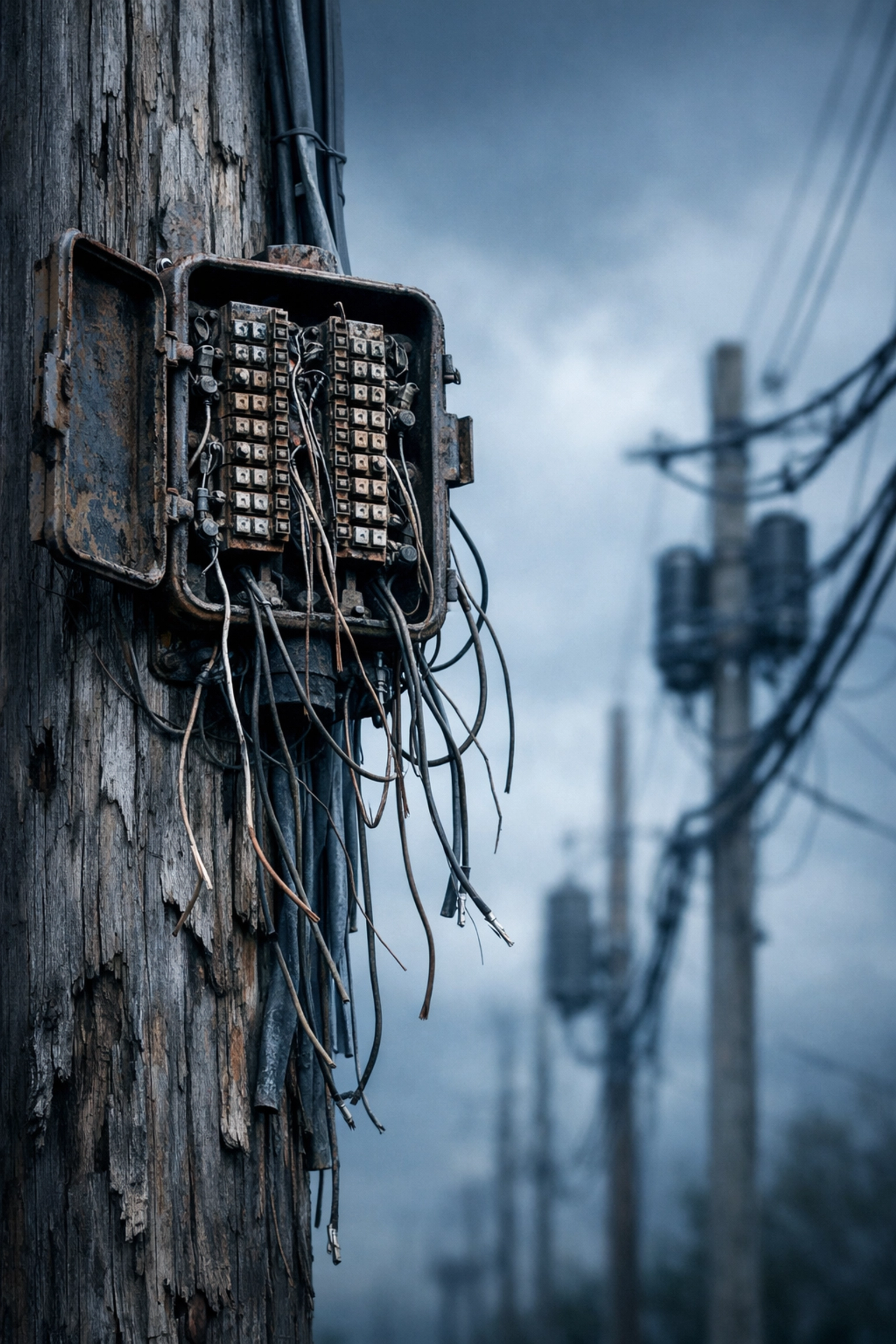
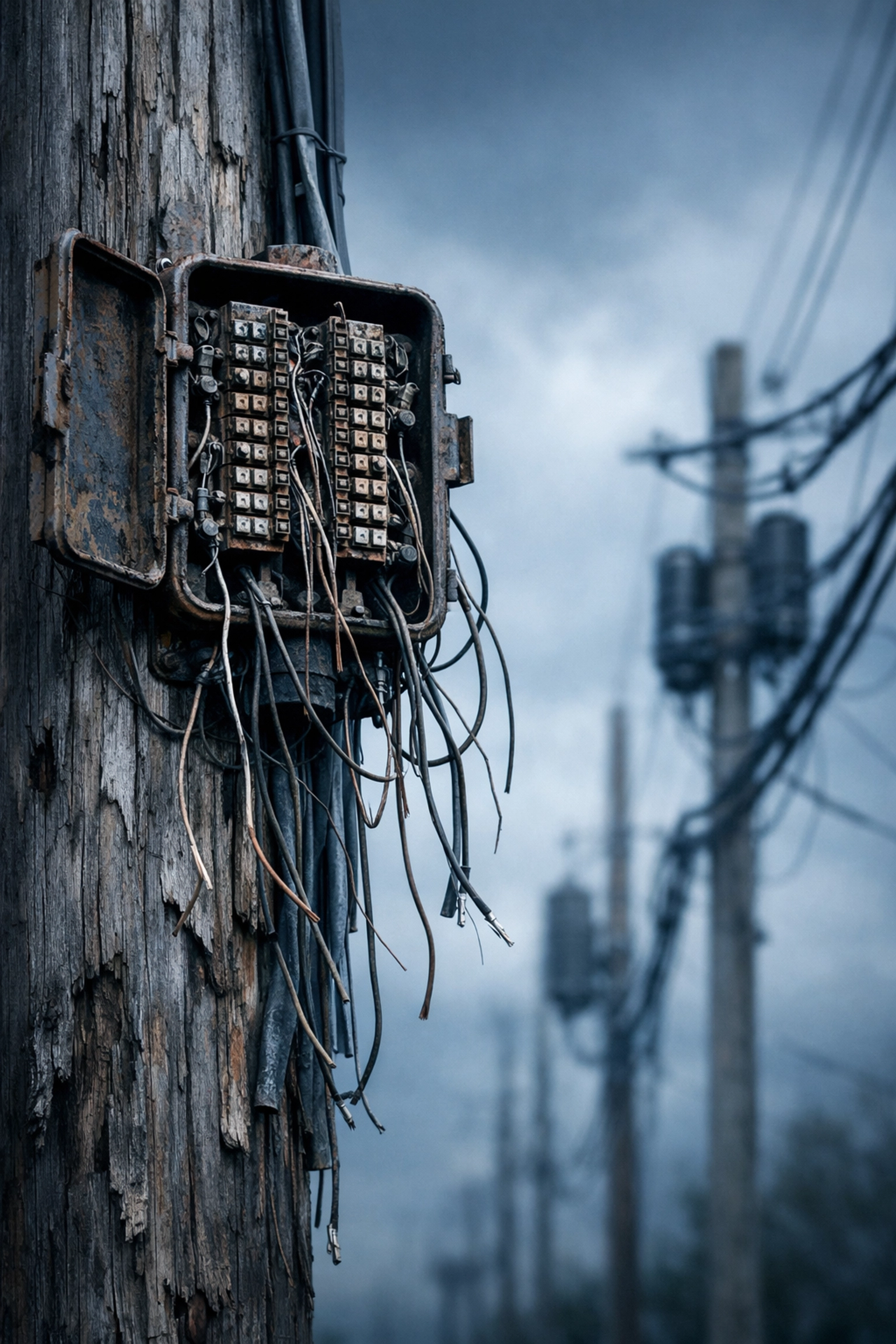
Remember when landlines were just… there? Reliable, boring, and completely unglamorous, but they worked. Your fire alarm panel dialed out on copper lines, your elevator emergency phone connected to a live operator, and nobody thought twice about it.
Those days are over.
The telecom carriers have been clear: POTS (Plain Old Telephone Service) is on life support, and they're not renewing the prescription. AT&T officially stopped accepting new POTS line orders, moves, or changes on October 15, 2025. Read that again, you can't even relocate an existing fire alarm line anymore, let alone add a new one.
And here's the kicker that fire inspectors might gloss over during routine visits: The FCC slashed the shutdown notice period from 180 days down to 90 days. That means when your carrier sends you the "we're discontinuing service" letter, you have exactly three months to find, install, and certify a replacement solution, or risk having a non-functional fire alarm system.
Three months might sound reasonable until you factor in vendor lead times, installer availability, inspection scheduling, and the very real possibility that everyone else in your area is scrambling to do the same thing at the exact same time.
What Fire Inspectors Know (But May Not Emphasize)
Fire inspectors aren't trying to keep secrets from you, they're just focused on compliance at the moment of inspection. But here's what's happening behind the scenes:
Legacy infrastructure is degrading fast. Carriers aren't investing in copper line maintenance anymore. That means your "reliable" POTS line is getting less reliable by the month. Service degradation, longer repair times, and higher costs are all accelerating as providers shift resources to modern networks.
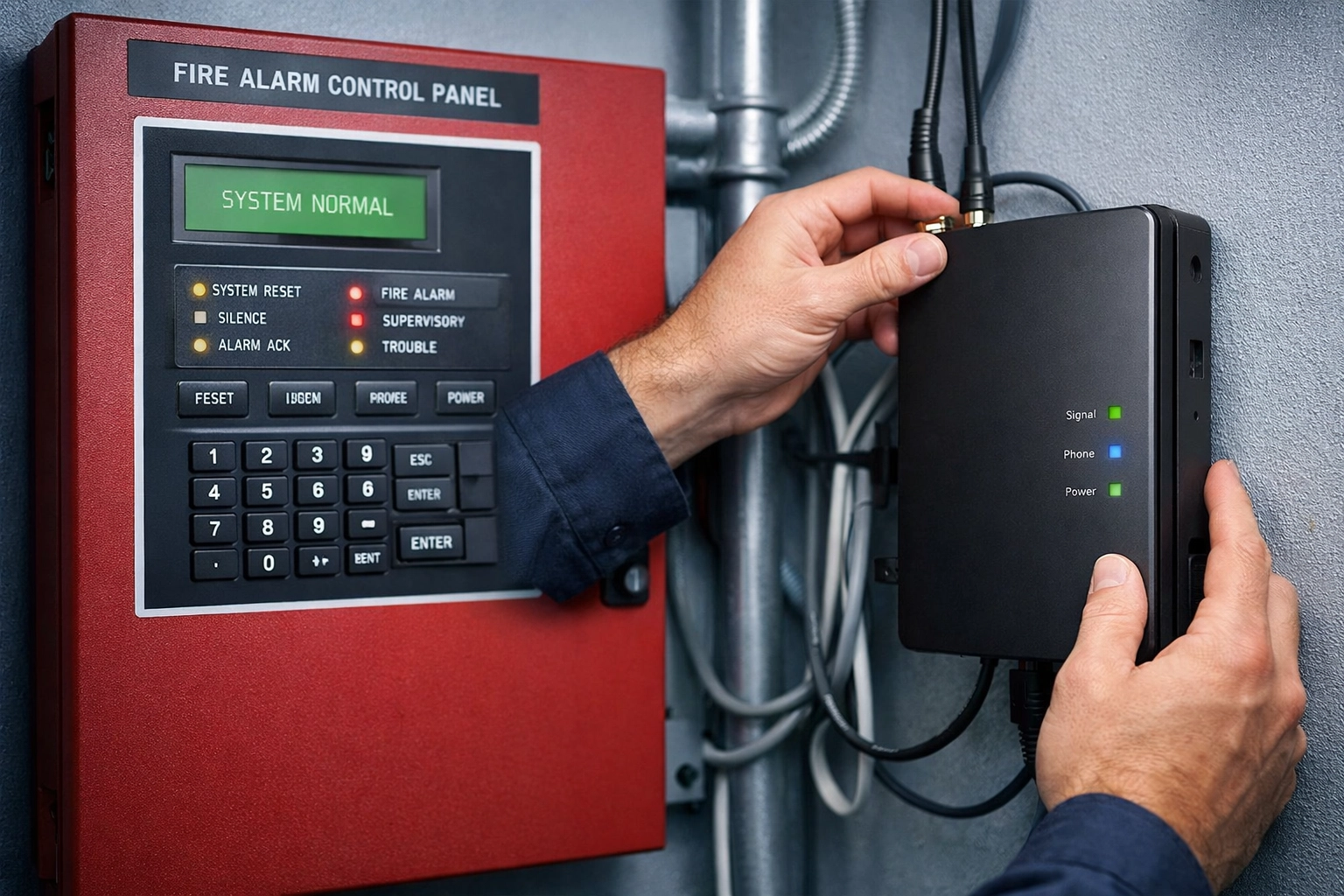
Modern replacement devices actually meet, and often exceed, NFPA 72 requirements. Today's POTS replacement solutions include 48-hour battery backup systems, automatic failover to multiple connectivity providers, and 24/7 remote monitoring. From a redundancy perspective, they're actually better than the original copper lines your grandfather installed.
But, and this is critical, you need to plan and budget for these replacements now, before you receive a shutdown notice. Reactive replacement costs significantly more than proactive planning, and you're at the mercy of whatever installer can squeeze you into their emergency queue.
The Cost Reality Nobody Wants to Talk About
Let's talk numbers for a second.
Right now, maintaining a single POTS line for your fire alarm system costs between $50 and $100 per month. That's $600 to $1,200 annually, per line. If you're running fire alarms, elevator phones, and security systems across multiple locations, multiply that cost accordingly.
Those costs aren't going down. As fewer customers remain on POTS, carriers are implementing "technology surcharges" and maintenance fees to squeeze remaining revenue from a dying service line. Some businesses have seen their POTS bills double in the past two years alone.
Meanwhile, modern POTS replacement solutions offer:
- Lower monthly recurring costs (typically 30-50% less than legacy POTS)
- Better reliability with cellular and VoIP failover
- Compliance with current fire safety codes
- Remote monitoring and automatic alerts
- No "technology surcharge" penalties
The math isn't complicated: You're paying premium prices for degrading service that's scheduled for extinction.
The Copper Sunset 2026: What It Actually Means
"Copper sunset" sounds poetic, but it's really just telecom speak for "we're shutting down the old copper network infrastructure because maintaining it is expensive and nobody wants to pay for it."
Here's what's actually happening:
- Carriers are decommissioning copper central offices and replacing them with fiber and wireless networks
- Technicians who know how to repair copper infrastructure are retiring (and not being replaced)
- Parts and equipment for copper systems are becoming obsolete and harder to source
- The business case for maintaining parallel networks is vanishing as subscriber counts drop
For businesses still relying on POTS lines for life-safety systems, this creates a ticking time bomb scenario. You're dependent on infrastructure that's actively being decommissioned, with support resources that are disappearing, for systems that must work during emergencies.

Why Waiting is the Riskiest Strategy
Some business owners are adopting a "wait and see" approach, figuring they'll deal with POTS replacement when they absolutely have to. Here's why that's a mistake:
1. Compressed timelines mean rushed decisions. That 90-day notice period doesn't give you much room to compare vendors, negotiate pricing, or schedule installations during normal business hours. You'll be making critical infrastructure decisions under pressure, never a recipe for smart choices.
2. Installer availability becomes a bottleneck. When everyone in your region receives shutdown notices simultaneously (which is exactly what happens when a carrier decommissions a central office), qualified installers get booked solid for months. Your "90-day window" might effectively be 30 days, or less.
3. Compliance violations carry real consequences. Operating a building with a non-functional fire alarm monitoring system isn't just risky, it violates fire codes, potentially voids your insurance, and could result in occupancy restrictions. That $5,000 installation cost suddenly seems cheap compared to evacuation and closure costs.
4. Emergency pricing is always higher. Vendors know when you're desperate. The price you pay for a rushed installation will be significantly higher than what you'd pay for a planned, scheduled upgrade.
As we covered in our guide on elevator phone replacement, proactive planning gives you leverage, options, and control over the process.
What Modern POTS Replacement Actually Looks Like
The good news: POTS replacement technology has matured significantly. Today's solutions are purpose-built for life-safety applications and explicitly designed to meet NFPA 72 and building code requirements.
Modern POTS replacement devices typically include:
- Multi-path connectivity (cellular primary with VoIP or secondary cellular backup)
- 48-hour minimum battery backup (meeting or exceeding fire alarm panel requirements)
- Automatic failover between connectivity paths with no manual intervention
- Remote monitoring and alerting so you know immediately if there's a connectivity issue
- Full compatibility with existing fire alarm panels (no panel replacement required)
These aren't experimental solutions, they're proven technologies that thousands of buildings are already using successfully. The technology works. The question is whether you'll implement it proactively or reactively.
Frequently Asked Questions About POTS Replacement
Q: Can I just wait until my carrier sends a shutdown notice?
A: Technically yes, but you'll face compressed timelines, limited vendor availability, higher costs, and significant stress. The 90-day notice period sounds reasonable until you're actually trying to navigate procurement, installation, and certification in that window.
Q: Will my fire inspector approve cellular-based replacement devices?
A: Yes, when properly installed and certified. Modern POTS replacement devices are specifically designed to meet NFPA 72 requirements and are widely accepted by fire marshals and building inspectors. The key is working with experienced installers who understand the certification requirements.
Q: How much does POTS line replacement actually cost?
A: Costs vary based on the number of lines, building configuration, and device selection, but typically range from $1,500 to $5,000 per location for equipment and installation. Monthly monitoring costs are usually 30-50% lower than legacy POTS line fees. Emergency installations cost significantly more.
Q: What happens if I do nothing and my POTS lines get shut down?
A: Your fire alarm system will fail to communicate with the monitoring station during emergencies. This creates code violations, potential insurance issues, and, most importantly, puts building occupants at risk. Fire marshals can issue occupancy restrictions until the issue is resolved.
Q: Do I need to replace my entire fire alarm panel?
A: No. Modern POTS replacement devices are specifically designed to connect to your existing fire alarm panel. You're replacing the communication path (the phone line), not the detection and alerting system.
Don't Wait for the Shutdown Notice
Here's the bottom line: POTS replacement isn't optional, and the timeline isn't flexible. The copper sunset 2026 is happening whether you're ready or not. Your fire inspector is focused on today's compliance, but you need to be thinking about next year's infrastructure reality.
The businesses that proactively plan their POTS replacement will save money, avoid emergency situations, maintain compliance, and sleep better at night knowing their life-safety systems will work when needed.
The businesses that wait will pay premium prices, face compressed timelines, and spend months stressed about inspection failures and compliance violations.
Ready to get ahead of the copper sunset? Premier Business Team has helped hundreds of businesses navigate POTS replacement planning and implementation. We'll assess your current systems, identify replacement options, coordinate with qualified installers, and ensure you maintain full compliance throughout the transition.
Book a discovery call with our team today and get a proactive plan in place before the shutdown notices start arriving. Because the best time to replace your POTS lines was last year( the second best time is right now.)
