• Skip to primary navigation
  • Skip to main content
Premier Business Team

Premier Business Team

Your business connectivity and IT Team

  • Home
  • Business Internet
  • Business Phone
  • Blog
  • About Us
    • Our Featured Suppliers
  • Contact Us
  • Business Quote
    • Business Tech Assessment
  • Engineering
  • Call: 360-946-2626
  • Show Search
Hide Search

Blog Posts

Chicago Data Center Services: Power, Connectivity & Consulting for Modern Builds

premierbusiness · January 21, 2026 ·

Chicago has cemented itself as one of the most critical data center markets in North America. With its central geographic location, robust fiber infrastructure, and access to competitive energy markets, the Windy City continues attracting major hyperscale builds and enterprise colocation projects alike. Whether you're planning a greenfield development or expanding an existing facility, navigating Chicago's data center landscape requires expertise in power, connectivity, and regulatory requirements.

That's where Premier Business Team comes in. We serve as your single point of contact for complex data center builds: connecting you with the right providers, power solutions, and consultants to get your project from concept to completion.

Why Chicago Is a Data Center Powerhouse in 2026

Chicago's data center ecosystem isn't slowing down. The city ranks among the top U.S. markets for new construction, driven by several key factors:

  • Central U.S. location minimizes latency for coast-to-coast connectivity
  • Carrier-neutral connectivity hubs with access to 350+ carriers
  • Competitive clean energy pricing through ComEd and renewable energy programs
  • Skilled workforce and established vendor ecosystem
  • Business-friendly infrastructure investments supporting multi-megawatt deployments

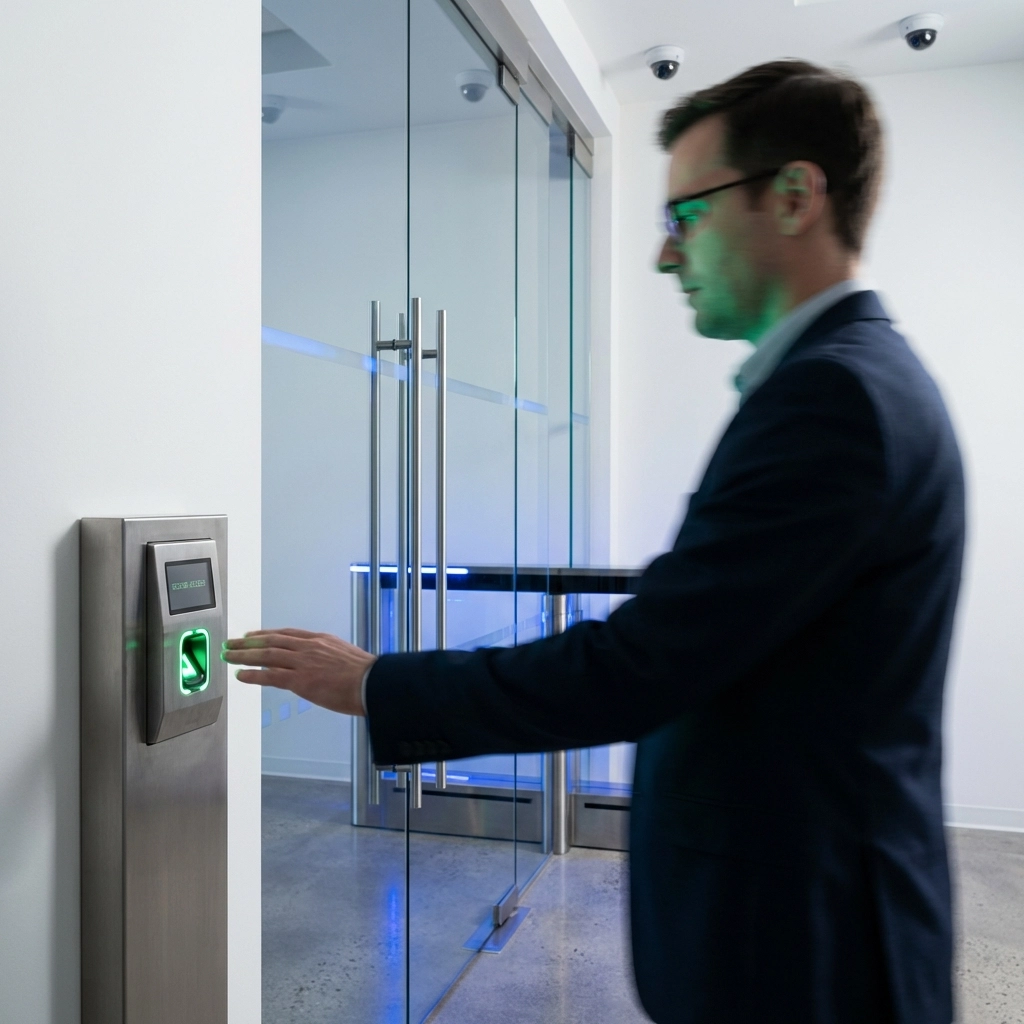
Major developments like Stream Data Centers' 40 MW Chicago III facility and QTS's 30-acre LEED Gold-certified campus demonstrate the market's continued momentum. For businesses looking to build or expand, Chicago offers the infrastructure backbone to support mission-critical operations.

image_1

Power Solutions for Chicago Data Centers

Power is the lifeblood of any data center. In Chicago, operators benefit from ComEd's infrastructure upgrades and access to some of the most competitive clean energy rates in the Midwest.

Redundant Power Architecture

Modern Chicago data centers typically feature 2N or 2N+1 redundant power configurations. This means every critical power component has at least one backup, ensuring continuous operations even during maintenance or unexpected failures.

Renewable Energy Options

Sustainability isn't optional anymore: it's a competitive advantage. Many Chicago facilities now offer:

  • 100% renewable energy matching through purchased credits
  • Direct access to wind and solar power via Illinois's clean energy programs
  • LEED certification for environmentally conscious builds

QTS Data Centers, for example, operates with renewable-sourced power and maintains LEED Gold Certification across its Chicago campus. Iron Mountain matches its facilities with 100% renewable energy, allowing customers to claim green energy benefits for their own sustainability reporting.

Capacity for Growth

Stream Data Centers' newest development delivers 40 MW of capacity: and that's just one facility. Chicago's power infrastructure supports everything from modest edge deployments to hyperscale builds requiring hundreds of megawatts.

Need help evaluating power options for your Chicago data center project?

Request a Free Consultation

Connectivity Infrastructure in the Chicago Market

Chicago serves as a major interconnection point for North American networks. The city's carrier-neutral facilities provide direct access to hundreds of providers, making it ideal for latency-sensitive applications and hybrid cloud architectures.

image_2

Carrier-Neutral Advantages

Unlike carrier-specific facilities that lock you into one provider's network, Chicago's carrier-neutral data centers let you choose from:

  • 350+ carriers including AT&T, Comcast, Cogent, Hurricane Electric, Lumen, NTT, Verizon, and Zayo
  • Direct peering connections to major cloud providers
  • Low-latency access to downtown exchanges and financial trading platforms

365 Data Centers operates as the second-largest connectivity hub in Chicago, while Digital Realty connects 155+ service providers across its local footprint. TierPoint's Chicago facility sits directly on the primary fiber optic ring, providing millisecond-level access to critical exchanges.

Network Redundancy

For mission-critical operations, network redundancy is non-negotiable. Chicago facilities typically offer:

  • Multiple diverse fiber entry points
  • Redundant upstream provider connections
  • Cross-connect options for private interconnection
  • Software-defined networking capabilities

If you're exploring network infrastructure solutions, Premier Business Team can help you design a connectivity strategy that meets your performance and redundancy requirements.

Regulatory Consulting & Compliance Support

Building a data center in Chicago involves more than just technical planning. Zoning requirements, environmental regulations, utility agreements, and compliance certifications all factor into a successful deployment.

Navigating Local Regulations

Illinois and Chicago-specific regulations impact data center development in several ways:

  • Zoning and land use approvals for new construction
  • Environmental impact assessments for large-scale builds
  • Utility interconnection agreements with ComEd
  • Tax incentive programs for qualifying projects

Compliance Certifications

Depending on your industry, you may need facilities that support:

  • SOC 2 Type II compliance
  • HIPAA requirements for healthcare data
  • PCI DSS for payment processing
  • FedRAMP for government workloads

Premier Business Team connects you with consultants who specialize in data center compliance, helping you select facilities and design architectures that meet your regulatory obligations from day one.
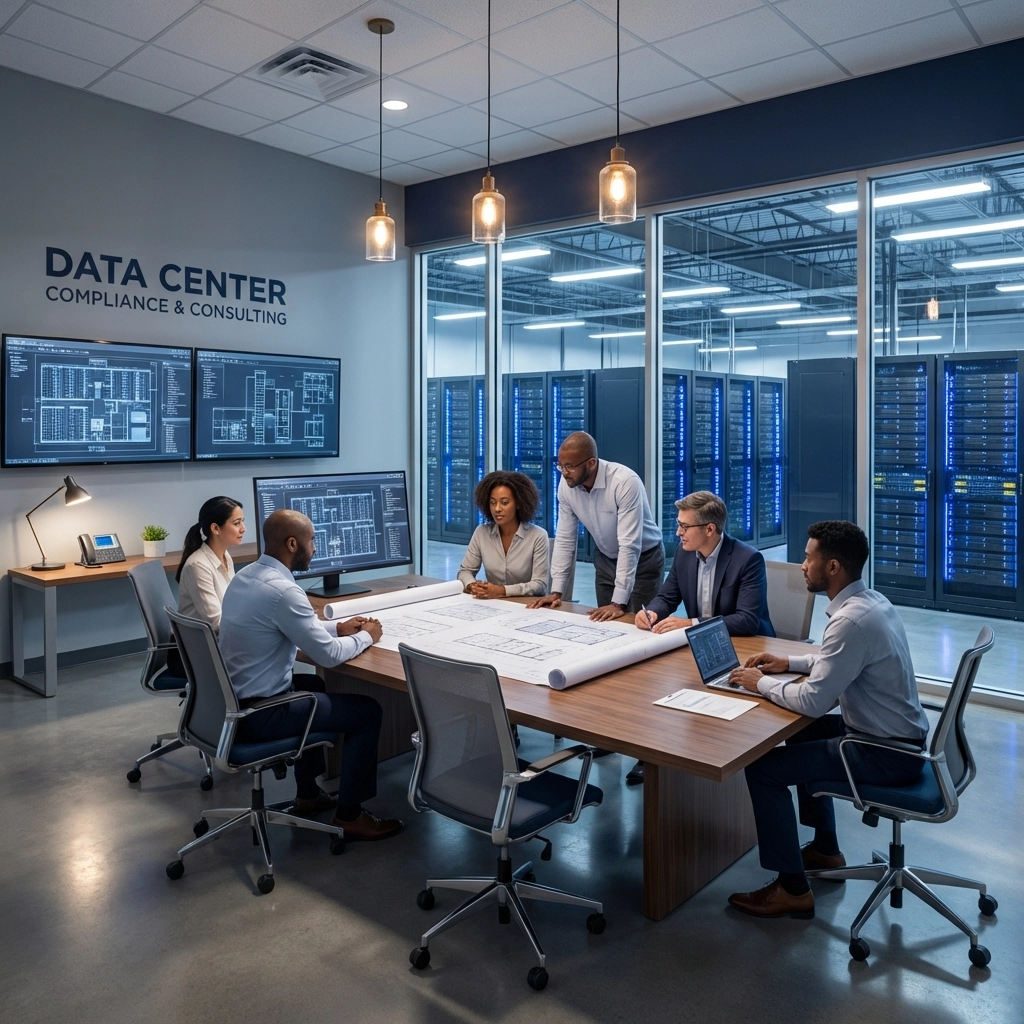
image_3

Premier Business Team: Your Single Point of Contact

Data center projects involve dozens of vendors, contractors, and service providers. Coordinating between power companies, connectivity providers, construction teams, and compliance consultants can quickly become overwhelming.

That's why we position ourselves as your single point of contact. Premier Business Team brings together the expertise and vendor relationships you need to:

  • Evaluate Chicago data center options based on your technical and business requirements
  • Negotiate power and connectivity agreements with competitive terms
  • Coordinate consulting services for regulatory compliance and project management
  • Streamline vendor communications so you're not juggling a dozen different contacts

We've helped businesses across industries navigate complex IT and telecommunications projects. From cybersecurity solutions to cloud phone systems, our team understands how technology decisions impact your bottom line.

Ready to simplify your Chicago data center project?

Talk to Our Team Today

Frequently Asked Questions: Chicago Data Center Services

What makes Chicago a top market for data centers in 2026?

Chicago's central U.S. location, carrier-neutral connectivity hubs with 350+ carriers, competitive clean energy pricing, and business-friendly infrastructure investments make it one of the most attractive data center markets in North America.

How do I choose between colocation and building my own data center in Chicago?

The decision depends on your capacity requirements, capital budget, and operational preferences. Colocation offers faster deployment and shared infrastructure costs, while purpose-built facilities provide maximum control. Premier Business Team can help you evaluate both options.

What power redundancy levels are standard in Chicago data centers?

Most enterprise-grade Chicago facilities offer 2N or 2N+1 redundant power configurations, meaning every critical power component has at least one backup to ensure continuous operations.

Can I get renewable energy for my Chicago data center?

Yes. Many Chicago facilities offer 100% renewable energy matching through purchased credits, direct access to wind and solar programs, and LEED-certified buildings for sustainability-focused organizations.

How does Premier Business Team help with data center projects?

We serve as your single point of contact: coordinating power evaluations, connectivity negotiations, compliance consulting, and vendor management so you can focus on your core business while we handle the complexity.


Let's Build Your Chicago Data Center Strategy

Whether you're evaluating colocation options, planning a new build, or expanding existing infrastructure, Premier Business Team simplifies the process. We connect you with the right providers, negotiate competitive terms, and coordinate every detail so your project stays on track.
Premier Business Team logo Logo with bold gray lettering for 'Premier,' blue dots forming a partial circle above the 'i,' and 'BUSINESS TEAM' in uppercase blue text underneath, representing technology advisory and telecom consulting services.

Get started with a free consultation today.
Contact Premier Business Team

RingCentral Vs Dialpad Vs 8×8: Which AI-Powered Phone System Actually Saves Money in 2026?

premierbusiness · January 21, 2026 ·

The pressure is real. Your business phone system needs to do more than just make calls in 2026, it needs to predict customer needs, automate workflows, and integrate seamlessly with AI tools your team already uses. But with enterprise phone systems ranging from $15 to $55 per user monthly, choosing the wrong AI-powered solution could cost your business thousands in wasted features or missed opportunities.

Let's cut through the marketing noise and examine which platform, RingCentral, Dialpad, or 8×8, actually delivers the best ROI for businesses looking to modernize their communications without breaking the budget.

The Real Cost Breakdown: Beyond Base Pricing

Most businesses make the mistake of comparing only entry-level pricing. Here's what these three platforms actually cost when you factor in the AI features your team needs:

Dialpad: The Budget Leader with AI-First Approach

Starting at $15/user/month, Dialpad's Standard plan includes unlimited domestic calls, AI-powered real-time transcription, and basic video conferencing. Their Pro plan at $25/user/month adds AI coaching, sentiment analysis, and advanced call routing.

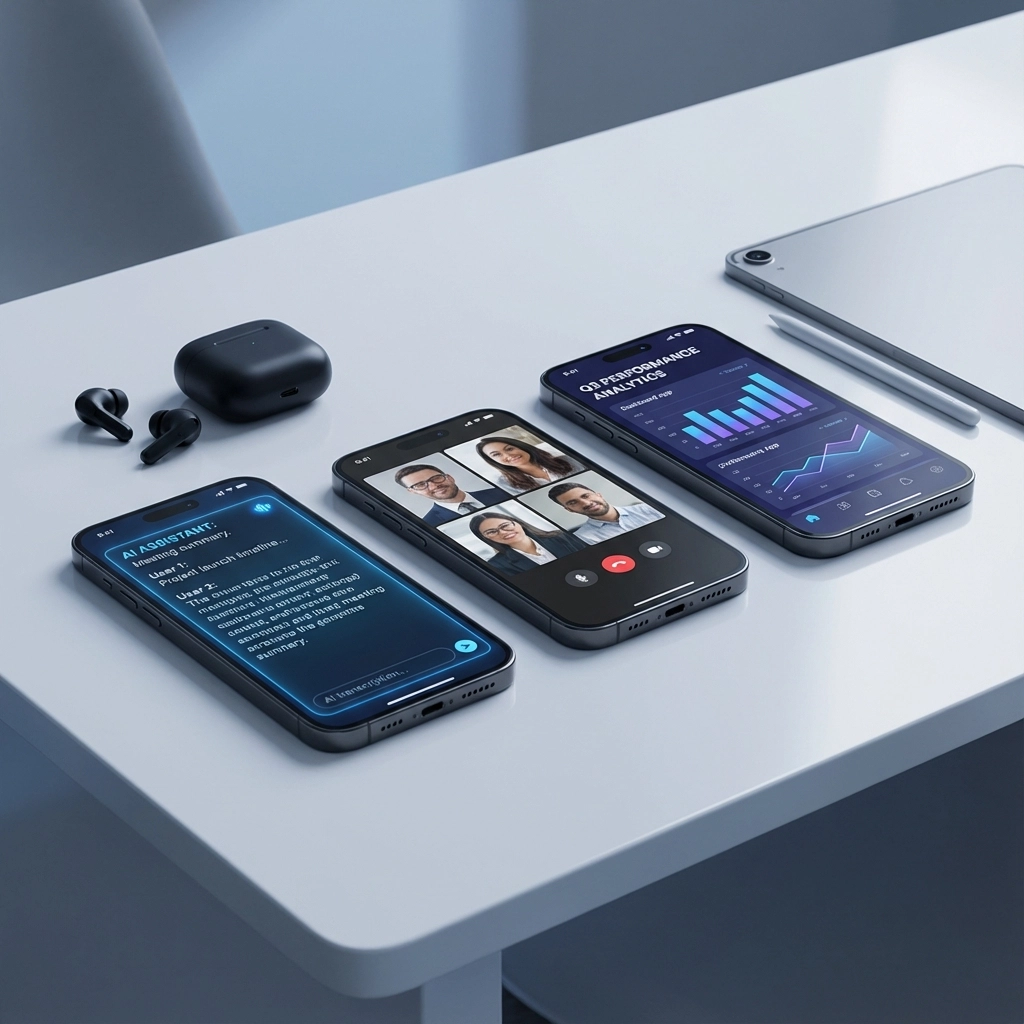
What sets Dialpad apart is their AI features aren't add-ons, they're built into the base pricing. Real-time call transcription, automatic note-taking, and AI-powered insights come standard, not as expensive modules.

image_1

RingCentral: Premium Features at Mid-Range Pricing

RingCentral's Core plan starts at $20/user/month and includes comprehensive call management, team messaging, and video meetings. Their Advanced plan at $35/user/month adds AI-powered video features, advanced analytics, and enhanced security.

While $5 more than Dialpad's entry point, RingCentral provides more robust collaboration tools out of the box. Their AI capabilities focus heavily on video meetings and workflow automation, making them ideal for hybrid work environments.

8×8: Enterprise-Focused with Complex Pricing

8×8's X2 Edition starts at $24/user/month, with their X4 and X5 editions ranging from $35-$55 monthly. However, 8×8 frequently uses quote-based pricing, making it difficult to predict final costs.

Their AI features are less prominent compared to Dialpad and RingCentral, focusing more on contact center automation and international calling capabilities.

AI Feature Comparison: Where Your Money Goes

Dialpad's AI Advantage

Dialpad leads in pure AI functionality. Their Voice Intelligence (Vi) platform provides:

  • Real-time conversation insights
  • Automatic call summaries and action items
  • Sentiment analysis for customer interactions
  • AI-powered coaching recommendations
  • Live transcription with speaker identification

These features are included in their standard pricing, not sold as expensive add-ons.

RingCentral's Collaboration Focus

RingCentral's AI strategy centers on meeting productivity:

  • AI-powered video meeting insights
  • Automated meeting summaries
  • Smart scheduling optimization
  • Predictive call routing
  • Integration with popular CRM and productivity tools

Their strength lies in unifying communications across teams, but advanced AI features often require higher-tier plans.

8×8's Contact Center Approach

8×8's AI capabilities focus primarily on contact center optimization:

  • Predictive dialing algorithms
  • Call queue intelligence
  • Basic conversation analytics
  • International calling optimization

For businesses primarily needing phone calls rather than comprehensive AI insights, 8×8's approach may be sufficient but less innovative.

Hidden Costs That Destroy Your Budget

Setup and Training Expenses

Dialpad typically requires minimal training due to its intuitive interface and built-in AI guidance. Most teams are productive within days.

RingCentral offers comprehensive onboarding but may require additional training for teams unfamiliar with unified communications platforms.

8×8's enterprise focus often means longer implementation timelines and higher consulting costs, especially for complex multi-location deployments.

Integration Requirements

Modern businesses need their phone system to work with existing tools. Here's where costs can spiral:

Dialpad offers native integrations with Google Workspace, Salesforce, and Microsoft 365 at no additional cost. Their open API makes custom integrations straightforward.

RingCentral provides extensive integration options but may charge additional fees for premium connectors or advanced workflow automation.

8×8 focuses on enterprise integrations but often requires custom development work, increasing total ownership costs.

Real-World ROI Scenarios

Scenario 1: 25-Person Marketing Agency

Dialpad Total: $375/month (15 Pro users at $25, 10 Standard users at $15)

  • Includes AI call insights, unlimited calling, basic video
  • Estimated setup cost: $500
  • Annual Total: $5,000

RingCentral Total: $625/month (25 Advanced users at $25 average)

  • Includes collaboration tools, advanced video AI, call management
  • Estimated setup cost: $1,200
  • Annual Total: $8,700

8×8 Total: $750/month (25 X4 users at $30 average, quote-based)

  • Includes international calling, basic contact center features
  • Estimated setup cost: $2,000
  • Annual Total: $11,000

Scenario 2: 100-Person Multi-Location Business

Dialpad Total: $2,000/month (mixed plans based on role requirements)

  • Strong AI insights across all locations
  • Annual Total: $24,000

RingCentral Total: $2,800/month (enterprise features required)

  • Comprehensive collaboration and AI features
  • Annual Total: $33,600

8×8 Total: $3,200/month (enterprise pricing with international needs)

  • Advanced contact center and calling features
  • Annual Total: $38,400

Which Platform Saves the Most Money in 2026?

For most businesses prioritizing AI features and cost efficiency, Dialpad offers the best value proposition. Their AI-first approach means you get advanced features at lower price points, while competitors charge premium rates for similar capabilities.

However, the "best" choice depends on your specific needs:

Choose Dialpad if:

  • You want AI features without premium pricing
  • Your team primarily needs calling and basic collaboration
  • You're budget-conscious but want modern capabilities
  • You prefer transparent, predictable pricing

Choose RingCentral if:

  • You need comprehensive unified communications
  • Video collaboration is critical to your workflow
  • You can justify higher costs for premium features
  • Your team requires extensive third-party integrations

Choose 8×8 if:

  • You operate contact centers or call-heavy operations
  • International calling is a priority
  • You need enterprise-grade compliance features
  • Budget is less important than specialized functionality

For businesses looking to modernize their communications infrastructure, Premier Business Team can help assess your specific needs and implement the most cost-effective solution for your organization.

Frequently Asked Questions

Q: Can I switch between these platforms if I'm not satisfied?
A: Yes, but porting phone numbers and retraining staff involves costs. Dialpad and RingCentral offer the smoothest migration processes, while 8×8 may require more technical coordination.

Q: Do these platforms integrate with existing business phone systems?
A: All three can replace traditional systems, but integration capabilities vary. Dialpad offers the most straightforward migration path for small-to-medium businesses.

Q: What happens to pricing as my business grows?
A: Dialpad maintains consistent per-user pricing. RingCentral offers volume discounts but may push enterprise features. 8×8 pricing becomes more complex at scale.

Q: Are there alternatives for businesses needing POTS replacement?
A: All three platforms can replace traditional landlines, but specific requirements like elevator phone systems may need specialized solutions.

Making the Right Choice for Your Business

The communications landscape has shifted dramatically. In 2026, your phone system must do more than connect calls: it needs to provide intelligent insights, automate routine tasks, and integrate seamlessly with your existing workflow.

Based on comprehensive cost analysis and feature comparison, Dialpad emerges as the most cost-effective solution for businesses prioritizing AI capabilities and predictable pricing. Their transparent approach and included AI features provide exceptional value without hidden costs.

However, the best choice ultimately depends on your specific requirements, existing infrastructure, and growth plans.

Ready to modernize your business communications? Contact Premier Business Team today for a personalized consultation and cost analysis. Our telecommunications experts will help you choose the platform that delivers the best ROI for your unique business needs, ensuring you get maximum value from your communications investment.

Are POTS Lines Dead? Here's What 50,000+ Businesses Discovered About Modern Phone System Alternatives

premierbusiness · January 21, 2026 ·

The short answer? Yes, POTS lines are essentially dead. What started as a gradual migration has become a full-scale exodus, with over 50,000 businesses making the switch in 2026 alone. The writing isn't just on the wall: it's carved in stone.

If your business is still relying on Plain Old Telephone Service (POTS), you're not just using outdated technology: you're putting your operations at serious risk. Here's what thousands of businesses have learned about ditching copper wires for good.

The POTS Death Spiral: What's Really Happening

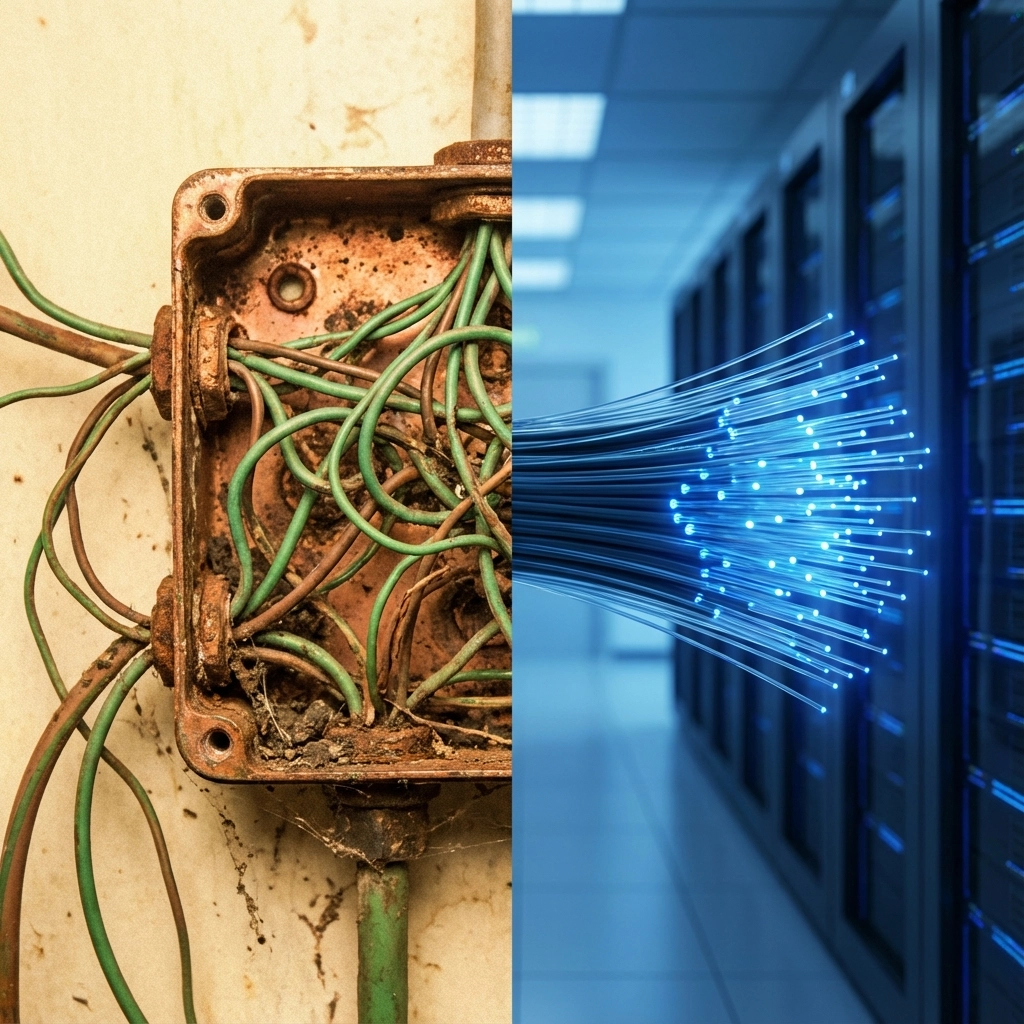
POTS lines represent the original analog telephone system that transmits voice over copper wiring. For decades, this technology served as the backbone of business communications, but telecom providers are systematically retiring these copper networks and replacing them with fiber-optic and internet-based systems.

The situation has become dire for organizations still dependent on POTS infrastructure. Many businesses are facing service discontinuation with little warning, alongside dramatic price increases that have caught countless companies off guard.

image_1

The Numbers Don't Lie

Recent industry data reveals some shocking statistics:

  • 3× to 10× billing increases for existing POTS customers
  • Quarterly price hikes becoming the new normal
  • 72% of telecom providers actively discontinuing POTS support
  • Average downtime increase of 340% due to aging copper infrastructure

Why 50,000+ Businesses Abandoned POTS in 2026

Skyrocketing Costs Are Breaking Budgets

The economics of maintaining POTS have become absolutely untenable. Some organizations experienced billing increases of 300-1000%, and prices continue climbing quarterly. Beyond monthly service fees, the aging copper wire infrastructure demands frequent maintenance and repairs, with downtime becoming increasingly common as repair prioritization has shifted to newer technologies.

Feature Limitations That Kill Productivity

POTS was designed exclusively for basic voice calls. Modern businesses require capabilities that POTS simply cannot deliver:

  • Video conferencing integration
  • Voicemail-to-email transcription
  • Intelligent call forwarding and routing
  • Enterprise SMS messaging
  • CRM and business software integration
  • Mobile app connectivity
  • Conference calling capabilities

This technological gap makes POTS fundamentally incompatible with contemporary business operations and remote work environments that have become standard in 2026.

Scalability Nightmares

Expanding or relocating POTS lines requires physical rewiring, making it time-consuming and expensive to scale. Organizations cannot efficiently add or remove lines as business needs evolve, creating operational bottlenecks that digital solutions easily overcome.

Our experience with retail clients shows this particularly well: one franchise achieved unified technology and reduced downtime by switching from POTS to a modern unified communications system.

What Businesses Discovered About Modern Alternatives

The migration away from POTS isn't just about avoiding problems: it's about unlocking capabilities that transform how businesses operate.

image_2

VoIP: The Clear Winner

Voice over Internet Protocol (VoIP) systems have emerged as the dominant replacement, offering:

Dramatic Cost Savings

  • Up to 70% reduction in monthly phone bills
  • No separate phone line infrastructure needed
  • Reduced maintenance and support costs
  • Scalable pricing that grows with your business

Advanced Features That Actually Work

  • HD voice quality that exceeds POTS clarity
  • Video conferencing built right in
  • Mobile apps that turn any device into a business phone
  • Advanced call analytics and reporting
  • Integration with existing business software

True Business Continuity
Unlike POTS, modern systems offer redundancy and failover capabilities. When properly configured with reliable internet connectivity, VoIP systems actually provide better uptime than aging copper networks.

Cloud-Based Phone Systems: The Game Changer

Cloud-based business phone systems have revolutionized business communications by eliminating hardware dependencies entirely. Businesses discovered they could:

  • Deploy new phone numbers instantly
  • Add employees anywhere in the world
  • Access full phone system features from any internet connection
  • Eliminate hardware maintenance completely
  • Scale up or down without rewiring

Unified Communications: The Future Is Here

The biggest discovery? Modern phone systems aren't just about making calls. Unified Communications platforms integrate voice, video, messaging, and collaboration tools into single interfaces that boost productivity dramatically.

image_3

Real-World Success Stories

Manufacturing Company Saves $50K Annually
A 200-employee manufacturer switched from POTS to VoIP and immediately cut their phone bills by 65%. More importantly, they gained mobile capabilities that allowed field technicians to stay connected without carrying separate company phones.

Healthcare Practice Improves Patient Care
A multi-location medical practice discovered that modern phone systems could integrate with their patient management software, automatically routing calls based on appointment schedules and provider availability.

Retail Chain Eliminates Downtime
After experiencing repeated POTS outages that cost them sales, a retail chain moved to a cloud-based system with automatic failover. They haven't experienced a phone-related service interruption since the switch.

The POTS Holdouts: Limited Use Cases Remaining

Despite widespread abandonment, POTS persists in narrow applications where power independence remains critical:

  • Emergency phone systems in elevators
  • Fire and security alarms in older commercial buildings
  • Fax machines in healthcare and legal offices (though even these are rapidly digitizing)
  • Credit card processing terminals in rural locations

Even in these scenarios, the lifespan is limited as device support diminishes and telecom infrastructure retirement accelerates.

Planning Your Migration Strategy

Businesses that successfully transitioned from POTS shared several common approaches:

  1. Audit existing phone usage to understand actual needs vs. assumptions
  2. Assess internet infrastructure to ensure adequate bandwidth for VoIP
  3. Plan for training since new systems offer significantly more features
  4. Consider cybersecurity implications of IP-based communications
  5. Test thoroughly before full deployment to avoid business disruption

Frequently Asked Questions

Q: Are POTS lines completely dead in 2026?
A: While not 100% eliminated, POTS lines are effectively end-of-life technology. Major telecom providers are discontinuing support, infrastructure is deteriorating rapidly, and costs are skyrocketing. Businesses still using POTS face imminent service disruption.

Q: Will VoIP work if my internet goes down?
A: Modern VoIP systems offer multiple redundancy options including cellular failover, call forwarding to mobile devices, and geographic redundancy. When properly configured, they're actually more reliable than aging POTS infrastructure.

Q: How long does it take to switch from POTS to a modern phone system?
A: Most businesses complete the transition in 2-4 weeks, depending on complexity. Cloud-based systems can often be deployed in days, while on-premises solutions may require additional planning time.

Q: What happens to my existing phone numbers?
A: Phone number portability is standard. You can keep all existing numbers when switching to VoIP or other modern systems. The process is handled automatically by your new provider.

Q: Are there any businesses that should stick with POTS?
A: Extremely few. Even traditional holdouts like elevators and alarm systems are transitioning to cellular or internet-based alternatives. If you have specific regulatory or infrastructure constraints, consult with a telecommunications expert about alternatives.

Q: How much can I expect to save by switching?
A: Most businesses save 40-70% on their monthly phone bills, with additional savings from reduced maintenance, easier scalability, and improved productivity through enhanced features.

The Bottom Line: Act Now or Face the Consequences

POTS lines aren't just declining: they represent a genuine business risk in 2026. Organizations continuing to rely on copper-based systems face service discontinuation, escalating costs, compliance failures, and technological obsolescence that could cripple operations.

The 50,000+ businesses that made the switch discovered something remarkable: modern phone systems don't just replace POTS functionality: they unlock entirely new ways of working that drive growth, improve customer service, and reduce costs simultaneously.

The question isn't whether to make the switch: it's how quickly you can complete it before your POTS provider pulls the plug.

Ready to join the thousands of businesses that have already made the smart move away from POTS? Contact Premier Business Team today for a free consultation on modern phone system alternatives that will transform your business communications while saving you money. Don't wait until your POTS provider forces the decision: take control now and unlock the powerful features your competition is already using.

Contact us today to discuss your migration strategy and discover which modern phone system solution is right for your business.

Amazon Leo Business Internet Service in Everett, WA | Flexible Satellite for SMBs

premierbusiness · January 20, 2026 ·

Everett businesses now have access to one of the most advanced satellite internet solutions available in 2026. Amazon Leo Business Internet Service isn't just another connectivity option, it's a game-changing technology that's literally being built in your backyard. With a 184,000-square-foot logistics center right here in Everett supplying Amazon's satellite manufacturing operations, local businesses are positioned to benefit from cutting-edge low Earth orbit (LEO) satellite technology.

Whether you're running a manufacturing operation in the industrial district, managing a growing tech startup downtown, or operating a retail location that needs reliable backup connectivity, Amazon Leo offers flexible solutions designed specifically for small and mid-sized businesses.

What Makes Amazon Leo Different from Traditional Internet?

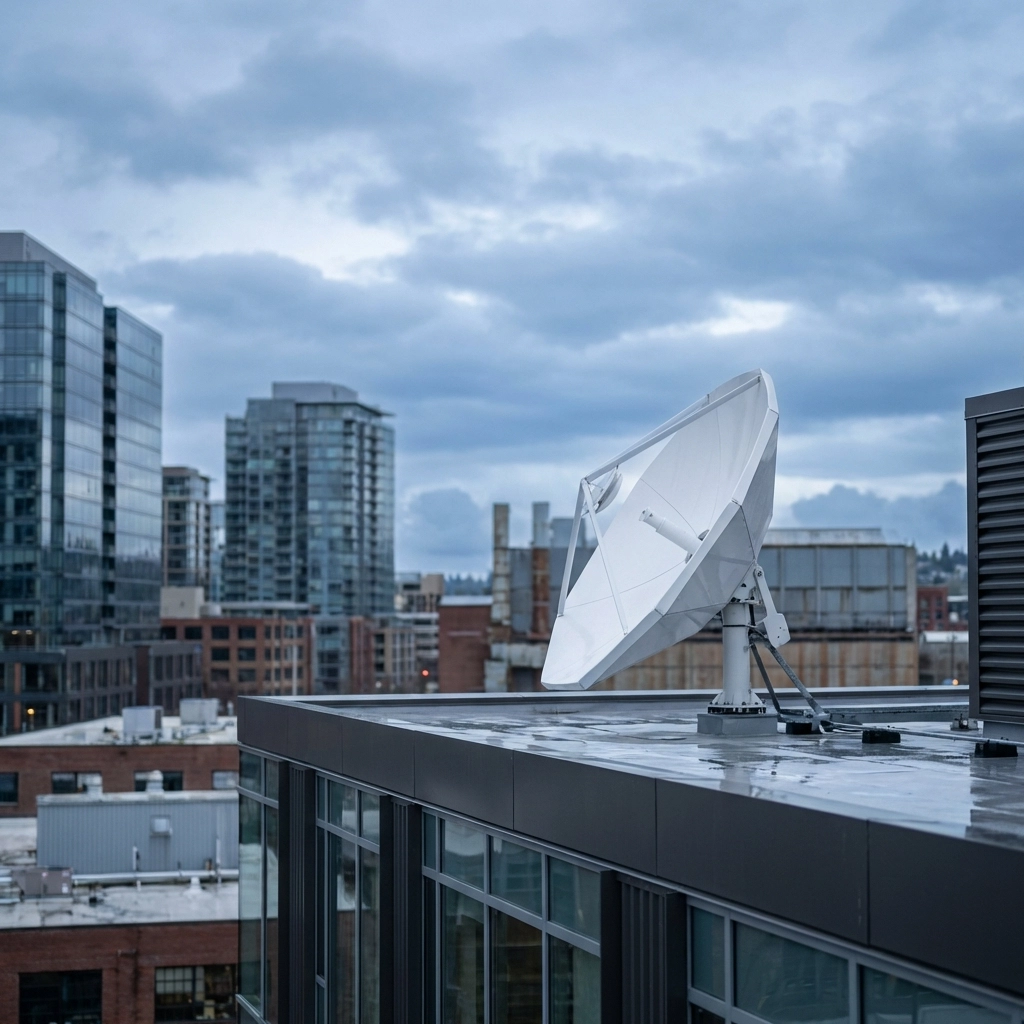
Amazon Leo operates through a constellation of over 3,000 low Earth orbit satellites, positioning them much closer to Earth than traditional geostationary satellites. This proximity dramatically reduces latency while providing consistent, high-speed connectivity that rivals terrestrial options.

image_1

Unlike traditional satellite internet that can suffer from weather-related outages and high latency, Leo's advanced satellite network maintains stable connections even during Pacific Northwest storms. For Everett businesses that have experienced connectivity challenges with traditional providers, this represents a significant upgrade in reliability.

The service functions as either a primary internet connection or a backup solution, making it particularly valuable for businesses that cannot afford downtime. With Everett's diverse business landscape, from aerospace manufacturing to maritime operations, having redundant connectivity options has become essential for maintaining operations.

Three Service Tiers for Every Business Need

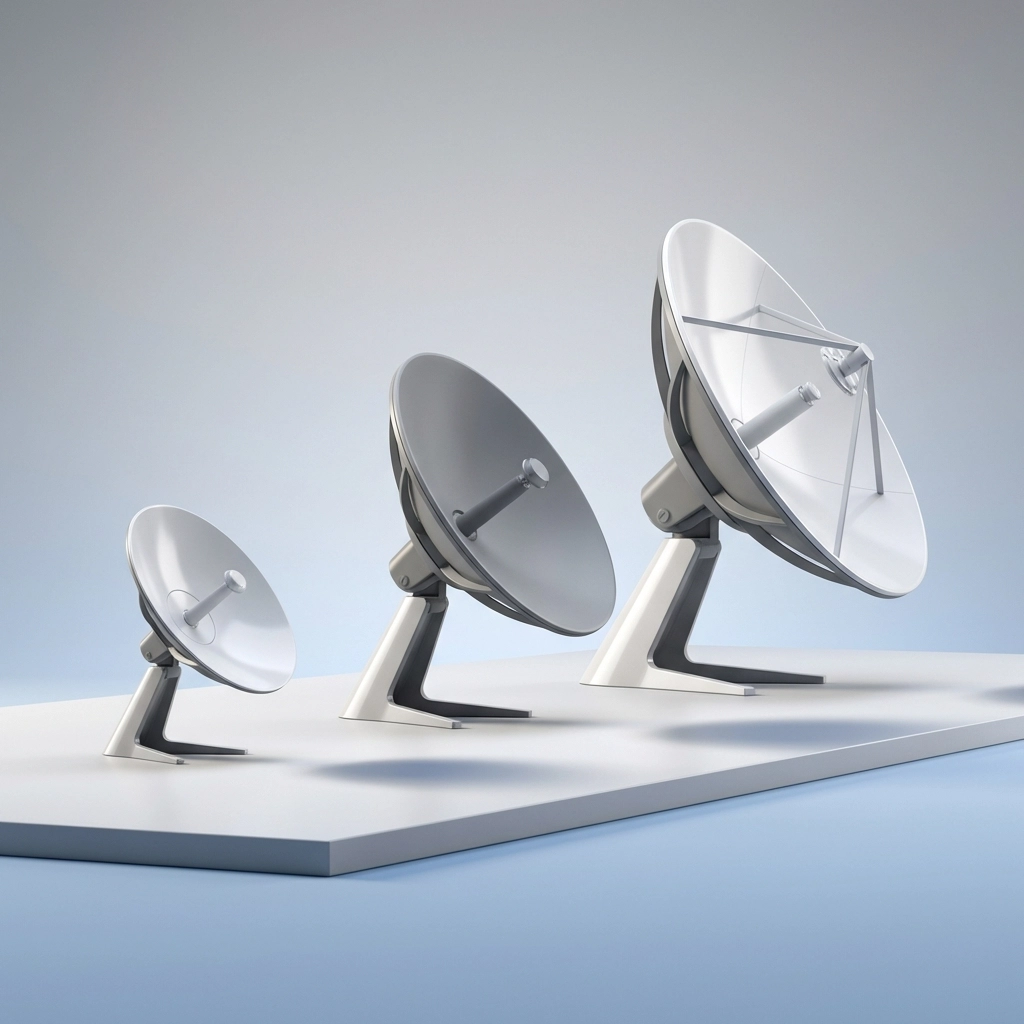
Amazon Leo offers three distinct antenna options, each designed for different business requirements and budgets:

Leo Nano (Up to 100 Mbps)
Perfect for small businesses, retail locations, and remote offices. The compact design makes installation straightforward, while the speed handles standard business operations including point-of-sale systems, basic cloud applications, and video conferencing for small teams.

Leo Pro (Up to 400 Mbps)
The standard choice for most SMBs in Everett. This option supports larger teams, multiple concurrent video conferences, cloud-based applications, and can serve as primary connectivity for businesses with moderate bandwidth requirements. It's particularly well-suited for professional services, small manufacturing operations, and growing companies.

Leo Ultra (Up to 1 Gigabit)
Designed for businesses with high bandwidth demands. This includes companies utilizing cloud phone systems, extensive video conferencing, large file transfers, or businesses that need enterprise-level backup connectivity.

Why Everett Businesses Choose Amazon Leo

Geographic Advantages
Everett's location in the Puget Sound region provides optimal satellite coverage, ensuring consistent service quality. The city's mix of urban, suburban, and semi-rural areas means businesses in all locations can benefit from LEO connectivity, especially those in areas where traditional fiber infrastructure may be limited.

Industrial Reliability
With Everett's strong manufacturing and aerospace presence, businesses need connectivity that matches their operational demands. Amazon Leo's enterprise-grade service provides the reliability that industrial operations require, with the flexibility to scale bandwidth as needed.

image_2

Local Support Infrastructure
Having Amazon's logistics center in Everett means local businesses benefit from proximity to technical support and faster service resolution. This local presence also suggests long-term commitment to serving the Pacific Northwest market effectively.

Flexible Implementation Options

Amazon Leo's versatility makes it valuable across various business scenarios:

Primary Connectivity Solution
For businesses in areas where fiber availability is limited or expensive, Leo serves as a reliable primary internet connection. This is particularly beneficial for businesses in Everett's more remote industrial areas or newer development zones.

Backup and Redundancy
Many Everett businesses use Leo as a backup solution, ensuring operations continue even if primary terrestrial connections fail. This redundancy is crucial for businesses that cannot afford internet downtime, from medical offices to financial services.

Temporary and Mobile Operations
Construction companies, event coordinators, and businesses with temporary locations benefit from Leo's quick deployment capabilities. The service can be operational within hours rather than weeks required for traditional installations.

Integration with Existing Business Systems

Amazon Leo works seamlessly with existing business technology infrastructure. Whether you're using modern phone systems or need reliable connectivity for cybersecurity solutions, Leo provides the stable foundation your business applications require.

The service particularly complements businesses that have invested in cloud-based operations, providing the consistent connectivity needed for effective cloud computing, backup solutions, and remote work capabilities.

image_3

Cost-Effective Scalability

Unlike traditional business internet that often requires long-term contracts and expensive infrastructure investments, Amazon Leo offers more flexible scaling options. Businesses can adjust their service level based on changing needs, seasonal demands, or growth patterns without major infrastructure overhauls.

This flexibility is particularly valuable for Everett's diverse business ecosystem, from seasonal maritime operations to year-round manufacturing facilities that may need to scale connectivity based on production demands.

Future-Proofing Your Business Connectivity

As businesses increasingly rely on cloud applications, remote work capabilities, and AI integration, having reliable, high-speed internet becomes even more critical. Amazon Leo's satellite network is designed to support these evolving business needs while providing the reliability that growing companies require.

The service also supports businesses transitioning away from traditional phone systems, providing the bandwidth needed for modern VoIP and unified communications solutions.

Frequently Asked Questions About Amazon Leo Business Internet in Everett

How quickly can Amazon Leo be installed for my Everett business?
Installation typically takes a few hours once equipment arrives. Unlike traditional business internet that may require weeks for setup, Leo's satellite-based system can be operational the same day equipment is installed, making it ideal for businesses needing immediate connectivity solutions.

What happens to service during Pacific Northwest weather?
Amazon Leo's low Earth orbit satellites and advanced technology maintain connectivity during most weather conditions that would affect traditional satellite services. The system is designed to handle the rain and storm patterns common in the Everett area.

Can Amazon Leo handle our business's bandwidth-intensive applications?
Yes, with options up to 1 gigabit per second, Leo can support demanding applications including video conferencing, cloud computing, large file transfers, and modern business communications systems. The service scales to match your specific business requirements.

Is Amazon Leo suitable as a backup internet solution?
Absolutely. Many Everett businesses use Leo specifically as backup connectivity, ensuring operations continue even if primary internet fails. The service can be configured to automatically activate when primary connections are interrupted.

How does pricing compare to traditional business internet in Everett?
While specific pricing varies based on service tier and usage, Leo's flexibility often provides better value than traditional alternatives, especially when considering installation time, reliability, and the option to avoid long-term contracts common with fiber installations.

Ready to Upgrade Your Everett Business Connectivity?

Don't let unreliable internet hold your business back. Amazon Leo Business Internet Service offers the flexibility, reliability, and performance your Everett business needs to thrive in 2026 and beyond. Whether you need primary connectivity, backup solutions, or temporary internet for special projects, Leo provides options that traditional providers simply can't match.

Contact Premier Business Team today at (360) 651-8350 to discuss how Amazon Leo can improve your business connectivity. Our telecommunications experts will help you determine the right service tier for your needs and coordinate professional installation. Visit us at premierbusinessteam.com to learn more about our comprehensive business connectivity solutions.

Dallas–Fort Worth Data Center Solutions: Strategic Connectivity & Power Consulting

premierbusiness · January 20, 2026 ·

Dallas–Fort Worth isn't just another data center market: it's become one of the most strategic locations in the country for mission-critical infrastructure. With over 170 data center facilities from 50+ operators, the DFW metroplex offers businesses unmatched options for connectivity, power, colocation, and scalable growth.

Whether you're expanding an existing footprint, planning disaster recovery, or deploying high-density AI workloads, navigating the DFW data center landscape requires expert guidance. That's where Premier Business Team comes in.


Why Dallas–Fort Worth for Your Data Center Needs?

The DFW region has earned its reputation as a data center powerhouse for several compelling reasons:

  • Competitive energy market with abundant grid capacity and low-cost power
  • Geographic diversity for disaster recovery and business continuity
  • Carrier-neutral and cloud-neutral connectivity with access to major cloud providers
  • Business-friendly environment with strong infrastructure investments
  • Central U.S. location providing low-latency connections coast to coast

For businesses seeking reliable, scalable, and cost-effective data center solutions, DFW checks every box. But finding the right facility, negotiating the best terms, and ensuring your infrastructure meets compliance requirements? That's where things get complicated.

image_1


Power Infrastructure: The Backbone of Your Operations

Power availability and reliability are non-negotiable for data center deployments. DFW's standalone electric grids and off-site substation connections provide the secure, low-cost power operations your business demands.

What DFW Power Infrastructure Offers:

  • Massive utility power capacity: Leading facilities like Csquare operate nearly 80MW of utility power across their DFW locations
  • Dual power feeds: DataBank's Plano campus delivers 40MW of power from dual feeds for maximum redundancy
  • Scalable critical load: Stream Data Centers' DFW VI supports 3.6MW of critical load expandable to 7.2MW
  • 100% SLA guarantees from top-tier providers

Whether you need a few racks or a dedicated data hall, DFW's power infrastructure can support your current needs and future growth. But understanding which facility offers the right power density, redundancy level, and pricing for your specific workloads takes expertise.


Strategic Connectivity Solutions in DFW

Connectivity is where DFW truly shines. The region's data centers serve as major interconnection points, bringing together dozens of carriers, cloud providers, and network operators under one roof.

Key Connectivity Advantages:

Feature Benefit
50+ unique networks at major facilities Direct peering and reduced latency
Cloud-neutral interconnection Access to Google Cloud, Microsoft Azure, AWS, and more
Carrier-neutral environments Freedom to choose your preferred providers
Meet-Me-Room access Simplified cross-connects and network management

Facilities like Cologix DAL3 at the Dallas Infomart and Equinix's DFW campus offer direct cloud connectivity that can dramatically reduce your network costs while improving performance. For businesses already leveraging cloud services and infrastructure, integrating data center connectivity creates a seamless technology ecosystem.

image_2


Colocation Options for Every Business Size

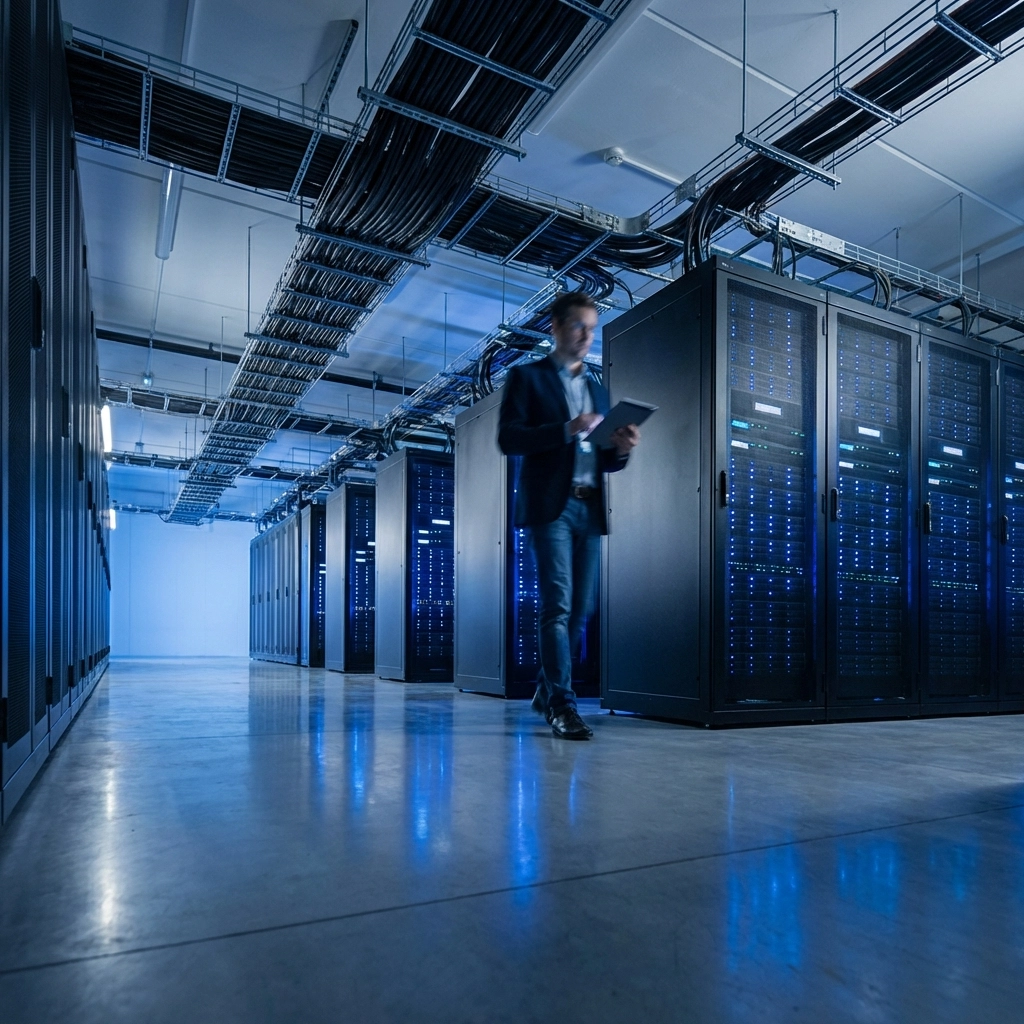
DFW's data center market offers colocation solutions ranging from single-cabinet deployments to private data halls spanning thousands of square feet. The key is matching your requirements to the right facility and provider.

Colocation Considerations:

  • Cabinet and cage options for growing businesses
  • Private data halls for enterprises requiring dedicated infrastructure
  • High-density deployments supporting AI and GPU workloads
  • Flexible lease terms that scale with your business

Many DFW facilities now offer NVIDIA DGX-Ready infrastructure for organizations deploying AI and machine learning workloads. This forward-thinking approach ensures your data center investment supports both current operations and emerging technology demands.


Compliance & Security: Enterprise-Grade Standards

Data center selection isn't just about power and connectivity: compliance and security are equally critical. DFW's top facilities maintain rigorous certifications and security protocols:

Compliance Certifications:

  • SOC 1 Type II and SOC 2 Type II
  • PCI-DSS for payment card industry requirements
  • ISO 27001 information security management
  • ENERGY STAR certification for energy efficiency

Physical Security Features:

  • 24/7 video surveillance with 90-day storage retention
  • Biometric authentication systems
  • Multi-layer access control protocols
  • Mantrap entries and security checkpoints

For businesses in regulated industries, these certifications aren't optional: they're mandatory. Understanding which facilities meet your specific compliance requirements saves time and prevents costly mistakes. If you're also evaluating cybersecurity solutions for your broader infrastructure, data center security should be part of that conversation.

image_3


Premier Business Team's Vendor-Neutral Consulting Approach

Here's the reality: data center providers are motivated to sell you their space. They're not going to tell you if a competitor offers a better fit for your needs.

Premier Business Team takes a different approach. As a vendor-neutral technology advisor, we work exclusively in your interest: not the data center provider's.

What Our Data Center Consulting Includes:

  1. Needs Assessment: We analyze your power, connectivity, compliance, and growth requirements
  2. Market Analysis: We evaluate DFW facilities that match your specifications
  3. Vendor Comparison: We provide side-by-side comparisons of pricing, terms, and capabilities
  4. Contract Negotiation: We leverage our relationships to secure favorable terms
  5. Implementation Support: We coordinate the transition to your new facility

Whether you're deploying disaster recovery infrastructure, expanding your colocation footprint, or building out a new primary data center presence, we guide you through every step. Our expertise extends beyond data centers to business IT infrastructure, ensuring your entire technology stack works together seamlessly.


Frequently Asked Questions: DFW Data Center Solutions

What makes Dallas–Fort Worth a top data center market in 2026?

DFW offers a unique combination of abundant power capacity, competitive energy pricing, carrier-neutral connectivity with 50+ networks, central geographic location, and a business-friendly regulatory environment. These factors make it ideal for colocation, disaster recovery, and high-density AI deployments.

How do I choose between DFW data center providers?

Consider your power requirements, connectivity needs, compliance certifications, physical security standards, and growth projections. A vendor-neutral consultant like Premier Business Team can evaluate multiple facilities against your specific criteria to identify the best fit.

What is the typical power capacity available at DFW data centers?

DFW facilities range from small deployments to massive campuses. Leading providers offer anywhere from 3.6MW to 80MW of utility power, with options for dual feeds and scalable critical load configurations.

Can DFW data centers support AI and GPU workloads?

Yes. Many DFW facilities now offer NVIDIA DGX-Ready infrastructure and high-density power configurations specifically designed for AI, machine learning, and GPU-intensive applications.

How does Premier Business Team help with data center selection?

We provide vendor-neutral consulting that includes needs assessment, market analysis, facility tours, vendor comparisons, contract negotiation, and implementation support: all focused on finding the right solution for your business.


Ready to Explore DFW Data Center Solutions?

Navigating the Dallas–Fort Worth data center market doesn't have to be overwhelming. With Premier Business Team as your guide, you get expert advice, vendor-neutral recommendations, and negotiating power that levels the playing field.

Whether you need colocation space, connectivity solutions, power consulting, or a complete data center strategy, we're here to help.

Premier Business Team logo

Let's talk about your data center needs today.

Schedule Your Free Data Center Consultation →

  • « Go to Previous Page
  • Page 1
  • Interim pages omitted …
  • Page 29
  • Page 30
  • Page 31
  • Page 32
  • Page 33
  • Interim pages omitted …
  • Page 78
  • Go to Next Page »

Get a no obligation quote for your business. Learn More

Proud Chamber Member

Bellingham Chamber Badge

Premier Business Team

Copyright © 2026 · Premier Business Team 2219 Rimland Dr. Suite 301 Bellingham, WA 98226 - 360-946-2626

  • Home
  • Business Internet
  • Business Phone
  • Blog
  • About Us
  • Contact Us
  • Business Quote
  • Engineering
  • Call: 360-946-2626