• Skip to primary navigation
  • Skip to main content
Premier Business Team

Premier Business Team

Your business connectivity and IT Team

  • Home
  • Business Internet
  • Business Phone
  • Blog
  • About Us
    • Our Featured Suppliers
  • Contact Us
  • Business Quote
    • Business Tech Assessment
  • Engineering
  • Call: 360-946-2626
  • Show Search
Hide Search

Blog Posts

POTS Lines Are Officially Dead in 2026: Your 5-Step Emergency Phone Replacement Guide Before It's Too Late

premierbusiness · January 17, 2026 ·

The era of Plain Old Telephone Service (POTS) lines is rapidly coming to an end, and 2026 marks a critical turning point that will affect millions of businesses across the United States. While the complete shutdown isn't happening overnight, the infrastructure changes beginning this year will make POTS lines increasingly unreliable and expensive.

If your business still relies on copper-based phone lines for elevators, fire safety systems, security panels, or fax machines, you're running out of time to plan a smooth transition. Here's everything you need to know about the POTS phase-out timeline and your five essential steps to replace these critical systems before it's too late.

What's Actually Happening to POTS Lines in 2026

The telecommunications industry has been gradually moving away from copper infrastructure for years, but 2026 represents the most aggressive phase of this transition yet. AT&T already stopped accepting new orders, moves, or changes for copper POTS lines in 19 states as of October 15, 2025, marking the beginning of nationwide discontinuation.

June 2026 is when the situation becomes critical. AT&T will begin decommissioning copper facilities in approximately 500 wire centers across the country: roughly 10% of its entire footprint. This represents one of the largest legacy network retirements in telecommunications history, affecting millions of business and residential customers.

image_1

Major carriers including Verizon, CenturyLink, Frontier, and Lumen have all filed retirement notices with the FCC, with most targeting complete copper retirement between 2026 and 2029. Verizon specifically expects to transition all POTS customers to fiber or wireless solutions by 2026-2027.

While existing customers won't lose service immediately: some have received notices stating service will continue "on or after March 15, 2027": the writing is on the wall. As carriers deprioritize repairs and maintenance on aging copper infrastructure, monthly POTS rates have already increased 200-400% in many regions.

Why Your Business Can't Wait

The phase-out isn't just about phone calls. Many critical building systems depend on POTS lines for emergency communications:

  • Elevator emergency phones required by building codes
  • Fire alarm monitoring systems that alert emergency services
  • Security panels for break-in and panic alerts
  • Fax lines for medical, legal, and government communications
  • Point-of-sale credit card terminals in remote locations

As carriers focus resources on fiber and wireless infrastructure, copper line repairs are becoming slower and more expensive. Some businesses are already experiencing weeks-long outages for systems that previously had same-day service guarantees.

The longer you wait to plan your transition, the fewer options you'll have and the higher the costs will become. Here's your step-by-step roadmap to navigate this change successfully.

Your 5-Step Emergency Phone Replacement Guide

Step 1: Audit Your Current POTS Dependencies

Create a comprehensive inventory of every device and system in your organization that uses POTS lines. This includes obvious items like desk phones and fax machines, but also hidden connections you might not consider:

  • Elevator emergency phones
  • Fire alarm monitoring panels
  • Security system dialers
  • Credit card processing terminals
  • Medical alert systems
  • Building entry systems
  • Backup communication lines

image_2

Document the specific requirements for each system, including power needs, response time requirements, and any regulatory compliance factors. For example, elevator phones must maintain connectivity during power outages, while fire alarm systems need specific signal protocols.

Don't forget to check with your building management if you're a tenant: they may be unaware of upcoming POTS line discontinuation affecting shared building systems.

Step 2: Research Replacement Technologies

Several technologies can replace POTS lines, each with different advantages and limitations:

Voice over IP (VoIP) offers the most features and cost savings for standard phone communications. However, traditional VoIP requires reliable internet and may not meet emergency system requirements without additional backup power.

Cellular-based solutions provide reliability and work during power outages with battery backup. They're ideal for elevator phones and alarm systems but may have higher per-line costs.

Fiber-based phone services offer reliability similar to POTS with digital quality. Availability depends on fiber infrastructure in your area.

For critical life-safety systems, many businesses are implementing unified communications solutions that combine multiple backup methods.

Step 3: Evaluate Your Internet Infrastructure

If you're considering VoIP solutions, your internet connection becomes your phone system's foundation. Assess whether your current internet service can handle additional voice traffic without affecting other business operations.

Key factors to evaluate:

  • Bandwidth capacity: Voice calls typically require 80-100 Kbps per simultaneous call
  • Quality of Service (QoS): Can your network prioritize voice traffic over data?
  • Redundancy: Do you have backup internet connections if your primary service fails?
  • Power backup: Will your internet equipment work during power outages?

Many businesses discover their internet infrastructure needs upgrades to support reliable VoIP communications, especially for multi-location operations with high call volumes.

Step 4: Plan for Regulatory and Safety Compliance

Certain systems have specific regulatory requirements that affect your replacement options. Elevator emergency phones, for example, must:

  • Function during power outages
  • Connect directly to emergency services
  • Meet specific audio quality standards
  • Comply with ADA accessibility requirements

image_3

Fire alarm monitoring systems have their own requirements for signal transmission and response times. Work with qualified technicians who understand these regulations to ensure your replacements meet all compliance standards.

Contact your local building inspection department and insurance carrier to confirm any specific requirements for your industry and location.

Step 5: Create a Migration Timeline and Test Plan

Don't wait until the last minute to make changes. Create a phased migration plan that addresses your most critical systems first:

Phase 1 (Immediate): Replace systems with the highest compliance risk or those already experiencing service issues.

Phase 2 (Within 6 months): Transition standard phone lines and less critical systems.

Phase 3 (Before March 2027): Complete migration of all remaining POTS-dependent systems.

For each system replacement, plan thorough testing to ensure functionality under normal and emergency conditions. Test backup power scenarios, emergency call routing, and integration with existing building systems.

Frequently Asked Questions About POTS Replacement

Q: How much will POTS replacement cost my business?
A: Costs vary significantly depending on your current setup and chosen replacement technology. While initial hardware costs may be higher, monthly service costs are typically 30-50% lower than current POTS rates, especially for businesses with multiple lines.

Q: Can I keep using my existing phones with new service?
A: Some analog phones can work with VoIP adapters, but you'll likely need new equipment to take advantage of modern features and reliability improvements. Budget for equipment replacement in your planning.

Q: What happens if my internet goes down with VoIP?
A: Quality VoIP systems include automatic call forwarding to cellular numbers and backup connectivity options. For critical systems, cellular backup is often the most reliable solution.

Q: Are there any alternatives to replacing POTS lines immediately?
A: Some carriers offer "POTS-in-a-box" solutions that simulate copper line functionality over cellular or fiber networks. These can be temporary bridges while you plan comprehensive replacements.

Q: How do I ensure my replacement systems will work with existing building infrastructure?
A: Work with experienced technicians who can assess compatibility and make necessary modifications. Some systems may require new wiring or power arrangements.

Don't Get Caught Unprepared

The POTS phase-out represents one of the most significant infrastructure changes in telecommunications history. While the transition is gradual, businesses that wait until the last minute will face limited options, higher costs, and potential compliance issues.

The changes beginning in 2026 are just the start of a process that will accelerate through 2029. By acting now, you can ensure a smooth transition that improves your communication capabilities while maintaining all critical safety and security functions.

If you're in the Pacific Northwest and need expert guidance on POTS phone line replacement, our team specializes in helping businesses navigate this transition while maintaining compliance with all safety regulations.

Ready to future-proof your business communications? Contact Premier Business Team today for a free consultation on your POTS replacement strategy. Our experts will assess your current setup, recommend the best replacement technologies for your needs, and create a migration plan that ensures zero disruption to your critical systems. Don't wait until your options disappear: call us now to secure your business communications for the next decade.


Cloud Phone Systems Vs On-Premise: Why 75% of Restaurants Are Making the Switch in 2026

premierbusiness · January 17, 2026 ·

The restaurant industry is experiencing a massive technological shift in 2026, and phone systems are at the center of this transformation. While traditional on-premise phone systems have served the hospitality industry for decades, a growing number of restaurant owners are discovering that cloud-based solutions offer the flexibility, reliability, and cost-effectiveness they need to thrive in today's competitive market.

The numbers speak for themselves, industry reports suggest that three out of four restaurants are either planning to switch or have already made the transition to cloud phone systems this year. But what's driving this dramatic shift, and more importantly, what does it mean for your restaurant's operations and bottom line?

Understanding the Fundamental Differences

On-Premise Phone Systems: The Old Guard

Traditional on-premise phone systems, also known as Private Branch Exchange (PBX) systems, require significant hardware installation at your restaurant location. These systems include physical servers, switches, and dedicated phone lines that your staff manages and maintains internally.

While on-premise systems offer complete control over your phone infrastructure, they come with substantial upfront costs, ongoing maintenance requirements, and limited scalability options. When equipment fails or needs upgrading, you're looking at expensive service calls and potential downtime during your busiest hours.

Cloud Phone Systems: The Modern Solution

Cloud phone systems, on the other hand, operate entirely through your internet connection. Instead of housing expensive hardware on-site, your phone system runs on secure servers maintained by your service provider. Your staff simply uses VoIP-enabled devices, smartphones, or computers to make and receive calls.

This shift to the cloud eliminates the need for costly hardware investments while providing access to advanced features that were previously available only to large enterprises.

image_1

Why Restaurants Are Making the Switch

Scalability That Matches Your Business Needs

One of the most compelling reasons restaurants are adopting cloud systems is their ability to scale instantly. During peak dinner rushes, holiday seasons, or special events, cloud systems can seamlessly handle increased call volumes without the long wait times that frustrate customers.

Traditional systems often create bottlenecks during busy periods, leading to abandoned calls and lost revenue. Cloud solutions can automatically route overflow calls to additional lines, mobile devices, or even off-site call centers, ensuring every customer reaches your team when they need to make reservations or place orders.

Integration with Restaurant Operations

Modern cloud phone systems integrate directly with point-of-sale (POS) systems, reservation platforms, and ordering applications. This integration allows your staff to access customer information, order history, and preferences instantly when calls come in, creating a more personalized dining experience.

When a regular customer calls for their usual Friday night reservation, your host can immediately see their dining preferences, previous orders, and special requests, all without putting the customer on hold or asking them to repeat information.

Remote Management and Multi-Location Support

Restaurant managers and owners can now manage their phone systems from anywhere with an internet connection. Whether you're checking voicemail from home, adjusting call routing from another location, or monitoring call analytics while traveling, cloud systems provide the flexibility that modern restaurant management demands.

For multi-location restaurants, cloud systems offer centralized management across all properties. You can implement consistent call handling procedures, share staff resources during busy periods, and maintain brand standards regardless of location.

image_2

Cost Considerations: Beyond the Initial Investment

Upfront Costs and Monthly Expenses

On-premise systems typically require substantial capital investment, often $10,000 to $50,000 for equipment, installation, and setup, depending on your restaurant's size and needs. Additionally, you'll need to budget for ongoing maintenance contracts, which can cost 15-20% of your initial investment annually.

Cloud phone systems operate on a predictable monthly subscription model, typically ranging from $20 to $50 per user per month. This eliminates large upfront expenses and provides predictable budgeting for your telecommunications costs.

Hidden Costs and Long-Term Value

While on-premise systems may seem cost-effective initially, hidden expenses quickly add up. Emergency repair calls, system upgrades, replacement equipment, and dedicated IT support can significantly impact your budget over time.

Cloud systems include automatic updates, 24/7 technical support, and equipment replacement in their monthly fees. When your restaurant grows and you need additional lines or features, scaling up is as simple as adjusting your subscription, no costly equipment purchases or installation downtime required.

Real-World Scenarios: How Cloud Systems Transform Restaurant Operations

Scenario 1: The Busy Friday Night

It's 7 PM on Friday, and your restaurant is completely booked. Your traditional phone system has four lines, but you're receiving dozens of calls for weekend reservations, takeout orders, and general inquiries. With an on-premise system, customers experience busy signals or extended hold times, potentially taking their business elsewhere.

A cloud system automatically routes overflow calls to staff mobile devices, enables quick call transfers between departments, and provides real-time analytics showing call volume patterns. Your team can handle more calls efficiently, and customers receive prompt, professional service even during peak hours.

Scenario 2: Emergency Situations and Business Continuity

When severe weather, power outages, or other emergencies affect your physical location, traditional phone systems become completely inaccessible. Cloud systems continue operating as long as you have internet access, allowing you to communicate with customers, coordinate with staff, and manage operations from any location.

During recent power outages, restaurants with cloud systems were able to redirect calls to managers' mobile phones, update customers about closures through automated messages, and coordinate reopening efforts, all while their competitors remained unreachable.

image_3

Advanced Features That Drive Results

Analytics and Customer Insights

Cloud phone systems provide detailed analytics about call patterns, peak times, average call duration, and customer behavior. This data helps restaurant owners optimize staffing levels, identify popular menu items mentioned in calls, and improve overall customer service quality.

Integration with Marketing Efforts

Modern cloud systems can track which marketing campaigns generate phone calls, helping you measure ROI on advertising investments. Whether customers are calling about a social media promotion or a local radio advertisement, you'll know which efforts drive real business results.

Automated Features That Enhance Service

Cloud systems offer automated greetings, intelligent call routing, voicemail-to-email transcription, and after-hours messaging capabilities. These features ensure customers always receive professional service, even when your restaurant is closed or during extremely busy periods.

Making the Transition: What Restaurant Owners Should Know

Implementation Timeline

Unlike on-premise installations that can take weeks and disrupt operations, cloud phone system implementations typically complete within days. Most providers offer number porting services, ensuring your existing phone numbers transfer seamlessly to the new system.

Staff Training and Adoption

Cloud phone systems often feature intuitive interfaces that require minimal staff training. Many functions operate through familiar smartphone-style apps, making adoption easier for teams already comfortable with mobile technology.

Choosing the Right Provider

When evaluating cloud phone providers, consider factors beyond price. Look for companies offering restaurant-specific features, local support, integration capabilities, and proven experience in the hospitality industry.

Frequently Asked Questions

Q: Will a cloud phone system work reliably during busy restaurant hours?
A: Yes, cloud systems are specifically designed to handle high call volumes and can scale instantly during peak periods, unlike traditional systems that create bottlenecks.

Q: What happens if our internet connection goes down?
A: Most cloud providers offer automatic failover options that can route calls to mobile devices or backup locations, ensuring business continuity even during internet outages.

Q: Can we keep our existing phone numbers when switching to cloud?
A: Absolutely. Number porting is a standard service that allows you to maintain all existing phone numbers while gaining cloud system benefits.

Q: How quickly can we add new phone lines or features?
A: Cloud systems allow instant scaling through your online portal: new lines, features, or locations can be added within minutes rather than requiring technician visits.

Q: Are cloud phone systems secure for restaurant operations?
A: Modern cloud providers implement enterprise-grade security measures, including encryption and secure data centers, often exceeding the security capabilities of on-premise systems.

The restaurant industry's shift toward cloud phone systems represents more than just a technology upgrade: it's a strategic move toward greater flexibility, improved customer service, and sustainable growth. As competition intensifies and customer expectations continue rising, restaurants need communication systems that can adapt quickly and support their operational goals.

Ready to discover how cloud phone systems can transform your restaurant's operations? Premier Business Team specializes in helping restaurants implement modern communication solutions that drive results. Contact us today to schedule a consultation and learn how we can customize a cloud phone system that meets your specific needs and budget.

Amazon Leo Business Internet Service in Burlington, WA | Reliable Rural Broadband

premierbusiness · January 17, 2026 ·

Burlington, Washington's diverse business landscape, from agricultural operations in the Skagit Valley to manufacturing facilities and professional services, faces a common challenge: reliable, high-speed internet connectivity. While some areas enjoy robust fiber networks, many businesses in rural Burlington and surrounding agricultural areas struggle with inconsistent broadband that limits their growth potential.

Amazon Leo Business Internet Service is changing that equation. This cutting-edge satellite internet solution brings enterprise-grade connectivity directly to Burlington businesses, farms, and organizations that need dependable, high-speed internet regardless of their location.

What is Amazon Leo Business Internet Service?

Amazon Leo represents a revolutionary approach to business connectivity, utilizing a constellation of over 3,000 low Earth orbit (LEO) satellites to deliver high-speed, low-latency internet directly to businesses across Burlington and the greater Skagit Valley region.

image_1

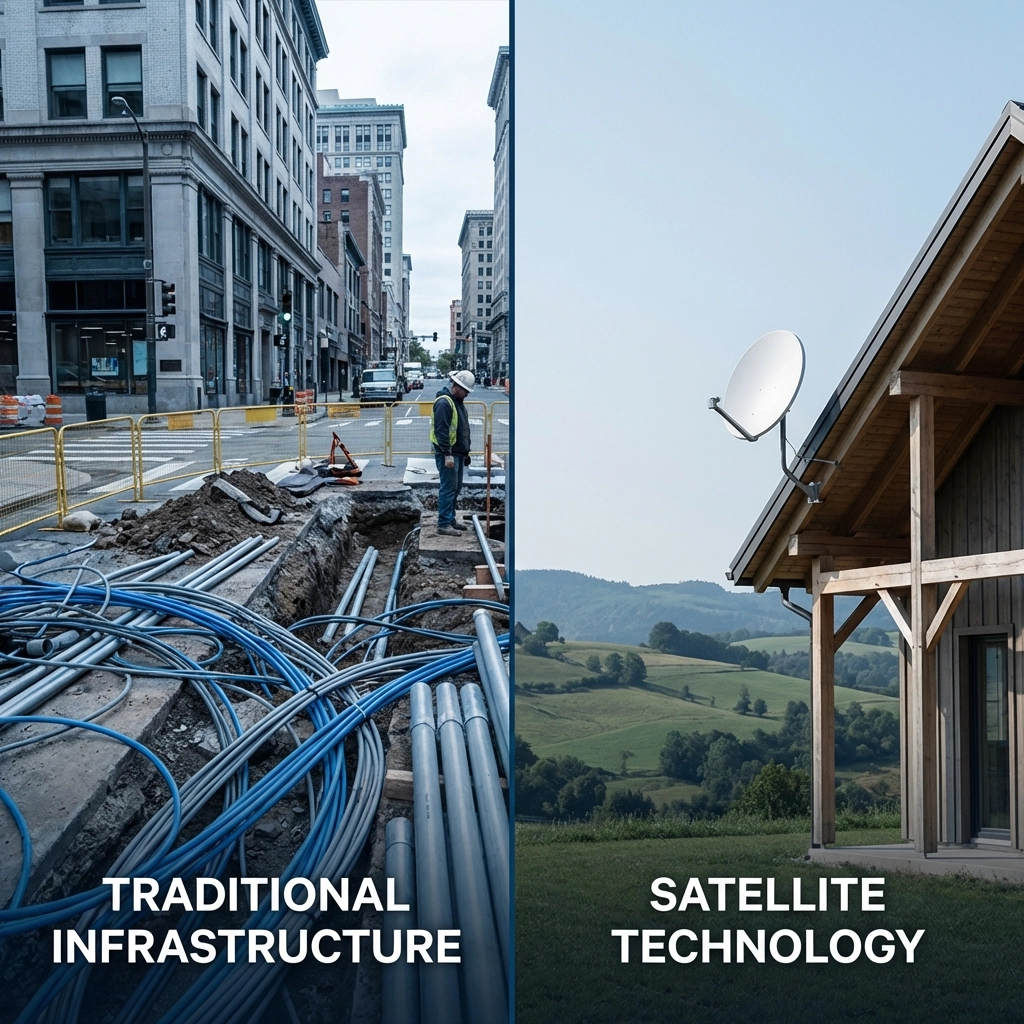
Unlike traditional satellite internet that relies on satellites positioned 22,000 miles above Earth, Amazon Leo's satellites orbit just 340-614 miles up. This proximity dramatically reduces latency while providing the speed and reliability that modern Burlington businesses demand.

The system works through compact antennas installed at your business location, connecting you to Amazon's secure global network of gateway stations and internet connection points. Currently in beta testing, Amazon Leo Business is specifically designed for organizations that need enterprise-grade connectivity in areas where traditional broadband options fall short.

Why Burlington Businesses Need Amazon Leo

Burlington's unique geography presents both opportunities and challenges. The city's position between major urban centers like Seattle and Vancouver, combined with its rich agricultural heritage, creates a business environment where reliable internet is absolutely critical.

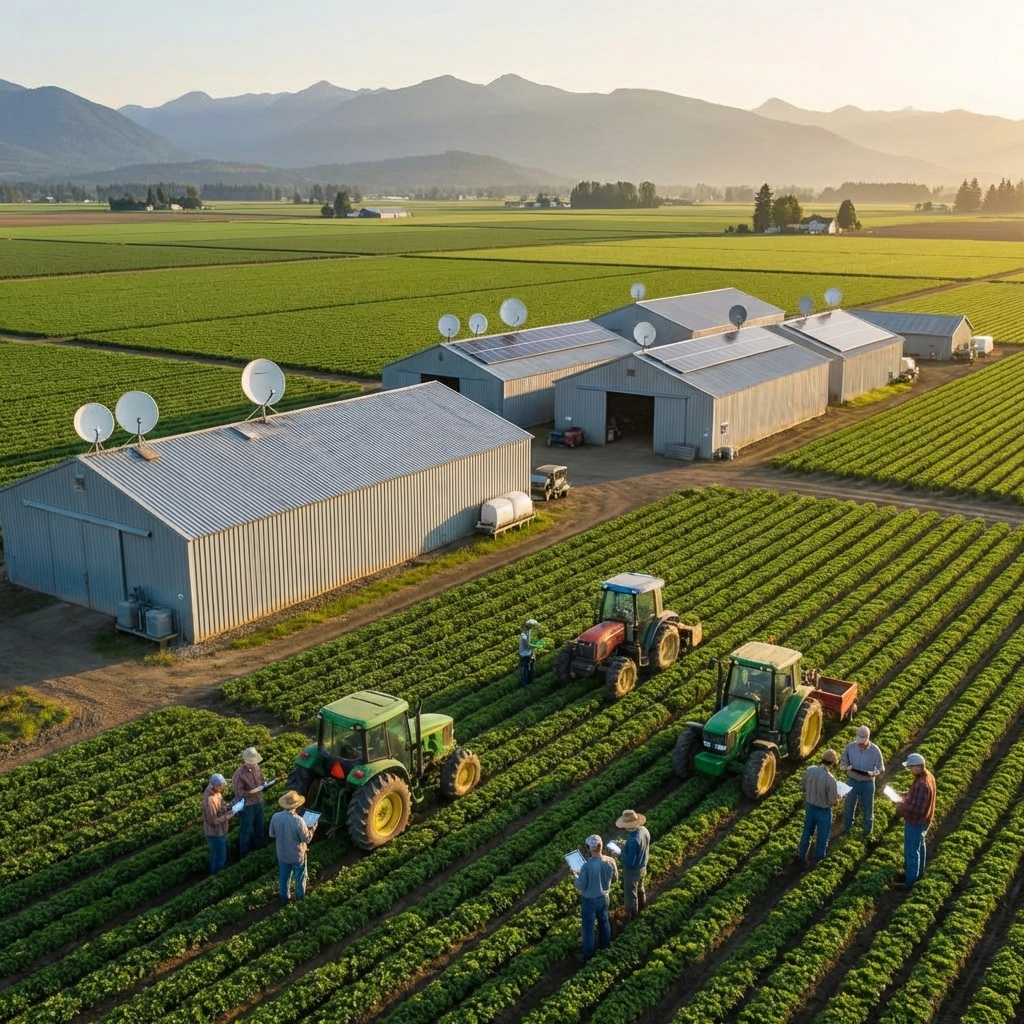
Agricultural Operations: Burlington's farms and agricultural businesses increasingly rely on precision agriculture technologies, IoT sensors for crop monitoring, and real-time data analysis. These operations require consistent connectivity that traditional rural internet often can't provide.

Manufacturing and Industrial: Burlington's industrial sector depends on cloud-based inventory management, real-time production monitoring, and seamless communication with suppliers and customers worldwide.

Professional Services: From healthcare facilities to financial services, Burlington's professional businesses need the same level of connectivity available in major metropolitan areas to serve their clients effectively.

Amazon Leo fills these gaps by providing reliable, high-speed internet that doesn't depend on ground-based infrastructure that may be limited or unavailable in certain areas of Burlington.

How Amazon Leo Compares to Traditional Options in Burlington

image_2

When evaluating internet options for your Burlington business, it's important to understand how Amazon Leo stacks up against traditional solutions:

Fiber Internet: While fiber offers excellent speeds where available, many Burlington businesses, particularly in rural areas, lack access to fiber infrastructure. Installation can take months and require significant upfront investment. Amazon Leo provides comparable speeds without the infrastructure limitations.

Cable Internet: Available in more areas than fiber but often with data caps and inconsistent upload speeds. Rural Burlington locations may have limited cable options. Amazon Leo offers symmetrical speeds and no data caps for business users.

DSL: Often the only traditional option in remote Burlington areas, but speeds are typically insufficient for modern business needs. Amazon Leo provides dramatically faster speeds with lower latency.

Traditional Satellite: Existing satellite internet suffers from high latency and weather-related interruptions. Amazon Leo's LEO constellation provides significantly lower latency and improved reliability.

For Burlington businesses, Amazon Leo often serves as either a primary solution where traditional options are inadequate or as a critical backup system ensuring business continuity.

Real-World Applications for Burlington Businesses

Farm Management Systems: Burlington's agricultural operations can leverage Amazon Leo to implement sophisticated farm management software, automated irrigation systems, and real-time commodity trading platforms without worrying about connectivity gaps during critical growing seasons.

Remote Work Support: As more Burlington businesses embrace hybrid work models, Amazon Leo enables reliable video conferencing, cloud application access, and VPN connections for employees working from rural locations or home offices outside traditional service areas.

Backup Connectivity: Even businesses with existing fiber or cable connections use Amazon Leo as a failover solution, ensuring operations continue during service outages that could otherwise cost thousands in lost revenue.

image_3

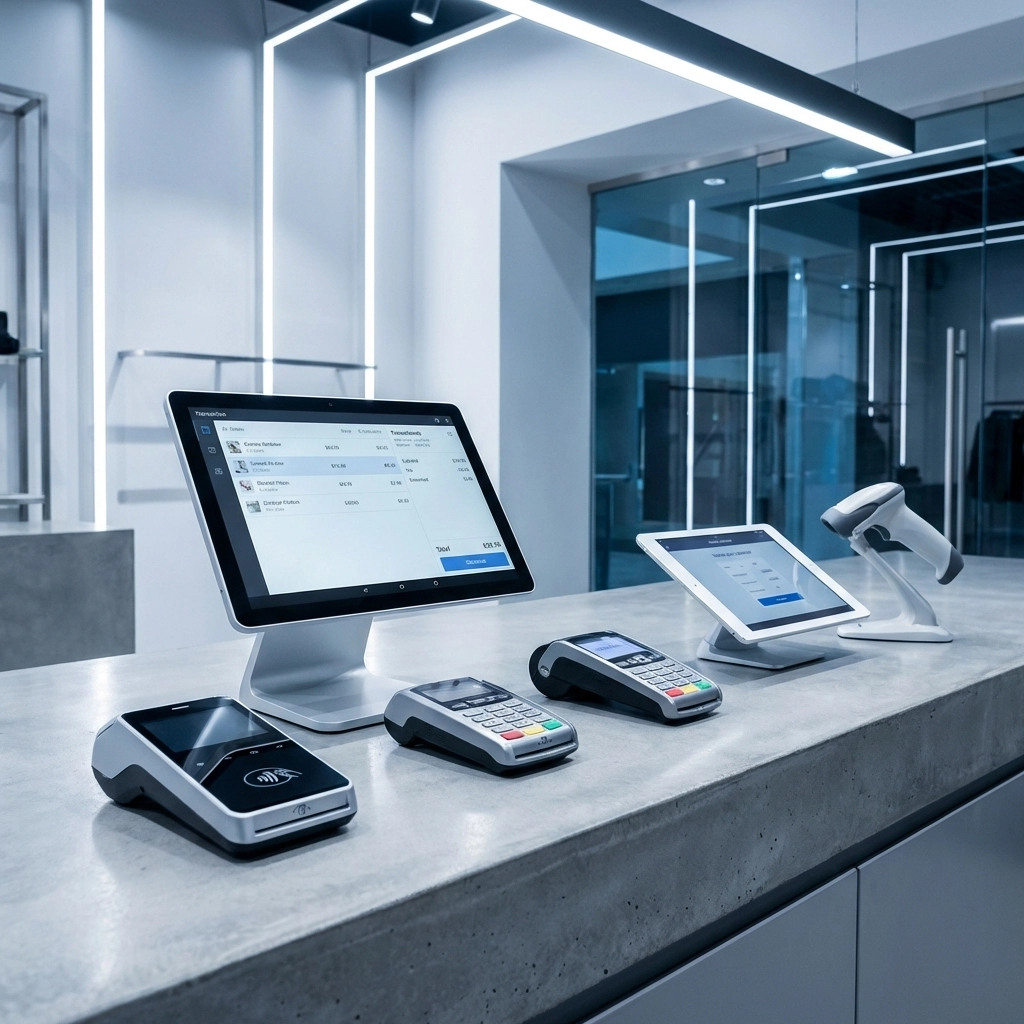
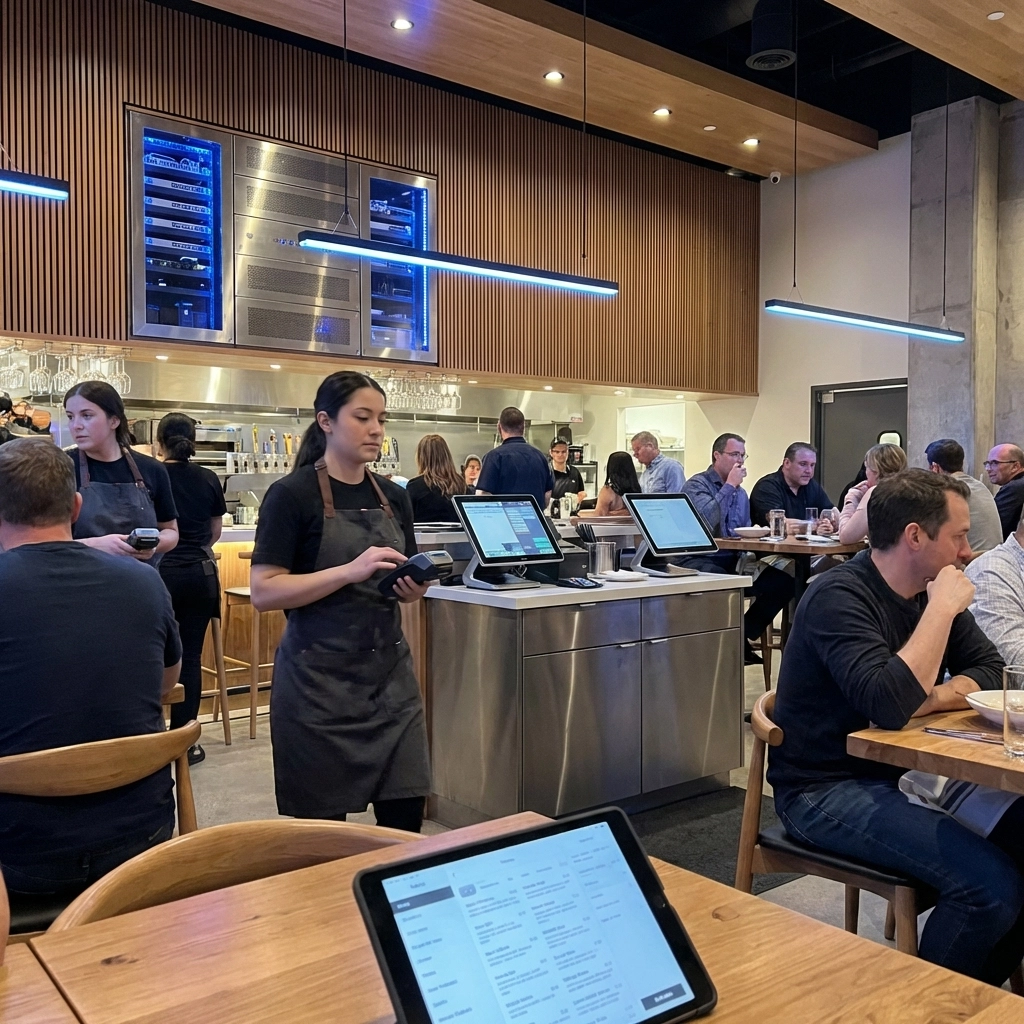
Point-of-Sale and Payment Processing: Retail and hospitality businesses throughout Burlington can maintain consistent payment processing capabilities, even in locations where traditional internet might be unreliable during peak usage periods.

Integration with Existing Business Infrastructure

Amazon Leo Business Internet seamlessly integrates with your current Burlington business technology infrastructure. Whether you're running cloud-based phone systems, utilizing cloud storage solutions, or maintaining complex network security requirements, Amazon Leo provides the reliable foundation your systems need.

For businesses requiring additional security measures, Amazon Leo works alongside comprehensive cybersecurity solutions to ensure your data remains protected across all connection types.

Cost Considerations and ROI

While Amazon Leo represents a premium connectivity solution, Burlington businesses often find the ROI compelling when considering:

  • Reduced Downtime: Consistent connectivity eliminates lost productivity from internet outages
  • Expanded Opportunities: Access to cloud services and digital markets previously unavailable due to connectivity limitations
  • Operational Efficiency: Real-time data access enables more informed decision-making and streamlined operations
  • Competitive Advantage: Reliable connectivity allows Burlington businesses to compete on equal footing with urban counterparts

The service operates on flexible networking options, allowing businesses to use it as primary connectivity or as a backup solution, making it adaptable to various budget requirements.

Getting Started with Amazon Leo in Burlington

image_4

Implementation begins with a site assessment to determine optimal antenna placement and system configuration for your specific Burlington location. The compact antennas require minimal infrastructure changes, making installation relatively straightforward compared to traditional wired solutions.

Burlington businesses can begin by contacting Amazon Leo directly through their business portal to discuss specific needs and availability in your area. As the service expands from beta testing, more comprehensive coverage details will become available.

Frequently Asked Questions About Amazon Leo Business Internet in Burlington

Q: Is Amazon Leo available throughout all of Burlington, WA?
A: Amazon Leo Business is currently in beta testing with expanding coverage. Contact Amazon Leo directly to verify availability for your specific Burlington location, as service areas are continuously expanding.

Q: How does weather affect Amazon Leo service in Burlington's climate?
A: LEO satellites are significantly less affected by weather than traditional satellite internet. Burlington's typical weather patterns, including rain and snow, have minimal impact on service quality due to the lower orbital altitude and advanced signal processing.

Q: Can Amazon Leo handle the bandwidth needs of Burlington's agricultural operations?
A: Yes, Amazon Leo is designed for enterprise-grade applications including precision agriculture, IoT sensor networks, and real-time data analysis commonly used in Burlington's farming operations.

Q: What installation is required for Burlington businesses?
A: Installation involves mounting a compact antenna and connecting it to your existing network infrastructure. The process is typically much simpler and faster than fiber installation, with minimal disruption to business operations.

Q: How does Amazon Leo pricing compare to traditional business internet in Burlington?
A: While specific pricing varies based on service plans and requirements, many Burlington businesses find the cost competitive when considering the reliability, speed, and coverage advantages, particularly in areas where premium traditional services are limited or unavailable.

Q: Can Amazon Leo serve as a backup internet solution for my Burlington business?
A: Absolutely. Many Burlington businesses use Amazon Leo as a failover solution alongside their primary internet connection, ensuring continuous operations during outages or service disruptions.

image_5

The Future of Business Connectivity in Burlington

As Amazon Leo expands beyond beta testing, Burlington businesses will have access to enterprise-grade connectivity that matches or exceeds what's available in major metropolitan areas. This levels the playing field for rural businesses and agricultural operations, enabling them to fully participate in the digital economy.

The service represents more than just another internet option: it's a tool for economic development that can help Burlington businesses grow, innovate, and compete globally while maintaining their roots in the beautiful Skagit Valley.

For Burlington businesses ready to explore how Amazon Leo Business Internet can transform their operations, or to discuss comprehensive technology solutions that maximize your connectivity investment, contact Premier Business Team today.

Ready to revolutionize your Burlington business connectivity? Our telecommunications experts understand the unique challenges facing Burlington businesses and can help you navigate the transition to next-generation internet solutions. Whether you're interested in Amazon Leo Business Internet, need comprehensive IT infrastructure support, or want to explore integrated communication solutions, we're here to help.

Contact Premier Business Team at 360-946-2626 to schedule your consultation and discover how advanced connectivity solutions can drive your Burlington business forward in 2026 and beyond.

Business Fiber Internet in Oak Harbor, WA: Boost Productivity & Performance for Local Businesses

premierbusiness · January 17, 2026 ·

In today's digital economy, Oak Harbor businesses need more than basic internet connectivity, they need the speed, reliability, and performance that only business-grade fiber internet can deliver. From the bustling waterfront district to the growing commercial centers along State Route 20, local businesses are discovering that fiber internet isn't just an upgrade, it's a competitive necessity.

Why Oak Harbor Businesses Are Making the Switch to Fiber Internet

Oak Harbor's unique position as both a military community and growing commercial hub creates distinct challenges for local businesses. With Naval Air Station Whidbey Island driving significant economic activity and tourism bringing seasonal fluctuations in demand, businesses need internet infrastructure that can handle both steady operations and peak traffic periods without missing a beat.

image_1

Traditional cable and DSL connections often struggle during high-usage periods, particularly when multiple businesses in the same area are competing for bandwidth. Business fiber internet eliminates these bottlenecks by providing dedicated, symmetrical speeds that remain consistent regardless of neighborhood usage patterns.

The Fiber Advantage for Local Businesses

Unlike traditional internet connections that offer faster download speeds than upload speeds, business fiber provides symmetrical bandwidth, meaning your upload speeds match your download speeds. This is crucial for Oak Harbor businesses that rely on:

  • Video conferencing with clients, suppliers, or remote team members
  • Cloud-based applications that require real-time data synchronization
  • Large file transfers including high-resolution images, videos, or design files
  • Backup operations that protect critical business data
  • VoIP phone systems that deliver crystal-clear communications

Premier Business Team's Comprehensive Fiber Solutions for Oak Harbor

At Premier Business Team, we understand that implementing business fiber internet involves more than just upgrading your connection speed. Our comprehensive approach includes everything from initial assessment and installation to ongoing support and cybersecurity solutions that protect your investment.

Complete Infrastructure Assessment

Before recommending any fiber solution, our team conducts a thorough evaluation of your current network infrastructure. This includes examining your existing equipment, understanding your business applications, and identifying potential bottlenecks that might prevent you from maximizing your fiber investment.

Many Oak Harbor businesses discover that their current network hardware becomes the limiting factor even after upgrading to fiber internet. Our business IT infrastructure services ensure your entire network can handle fiber speeds effectively.

image_2

Integrated Technology Solutions

Business fiber internet works best when integrated with other modern business technologies. Our team specializes in creating cohesive technology ecosystems that maximize your fiber investment through:

  • Cloud integration with Google Workspace solutions that leverage high-speed connectivity
  • VoIP phone systems that deliver superior call quality over fiber connections
  • Network security that protects your high-speed connection from cyber threats
  • Backup solutions that utilize fiber's upload speeds for rapid data protection

Understanding Oak Harbor's Fiber Internet Landscape

The Oak Harbor market offers several fiber internet options, each with distinct advantages depending on your business needs. Ziply Fiber leads the market with symmetrical speeds up to 6,000 Mbps, while Astound provides fiber speeds up to 2,000 Mbps in select areas. Whidbey Telecom offers specialized business fiber services designed specifically for local companies.

However, choosing the right provider involves more than comparing speed specifications. Factors like service level agreements, technical support quality, and integration capabilities with your existing business systems play crucial roles in your overall experience.

Beyond Speed: What Really Matters for Business Fiber

While impressive speed numbers grab attention, Oak Harbor businesses benefit most from fiber internet's other advantages:

Reliability: Fiber optic cables are less susceptible to weather-related outages and electromagnetic interference that can disrupt copper-based connections.

Latency: Lower latency means faster response times for cloud applications, video calls, and real-time collaboration tools.

Scalability: Fiber infrastructure can accommodate growing bandwidth needs without requiring complete system overhauls.

Future-proofing: As business applications become more bandwidth-intensive, fiber provides the foundation for emerging technologies like AI integration and advanced cloud services.

image_3

Industry-Specific Benefits for Oak Harbor Businesses

Different types of businesses in Oak Harbor experience unique benefits from fiber internet upgrades:

Restaurants and Hospitality

Oak Harbor's restaurant scene serves both locals and tourists visiting Deception Pass and other island attractions. Business fiber internet enables:

  • Reliable POS systems that process payments quickly during busy periods
  • Guest WiFi that enhances customer experience without compromising business operations
  • Inventory management systems that sync with suppliers in real-time
  • Integration with reservation and delivery platforms

Our hospitality phone systems work seamlessly with fiber connections to provide superior customer service capabilities.

Retail and Professional Services

From boutique shops in downtown Oak Harbor to professional service firms, fiber internet supports:

  • E-commerce platforms that load quickly and process transactions smoothly
  • Customer relationship management systems that access client data instantly
  • Digital marketing tools that require substantial upload bandwidth
  • Remote work capabilities for hybrid business models

Healthcare and Professional Practices

Medical offices, dental practices, and other healthcare providers in Oak Harbor rely on fiber for:

  • Electronic health records that sync across multiple locations
  • Telemedicine capabilities requiring high-quality video connections
  • Medical imaging transfers that demand substantial bandwidth
  • HIPAA-compliant communications and data storage

Maximizing Your Fiber Internet Investment

Simply upgrading to business fiber internet won't automatically transform your operations. Success requires strategic implementation that considers your specific business processes and growth plans.

image_4

Network Optimization Strategies

Equipment Upgrades: Ensure your routers, switches, and wireless access points can handle fiber speeds effectively.

Security Implementation: High-speed connections require robust security measures to protect against sophisticated cyber threats.

Staff Training: Help your team understand how to leverage new capabilities for improved productivity.

Application Integration: Optimize your business software to take advantage of increased bandwidth and reduced latency.

Frequently Asked Questions About Business Fiber Internet in Oak Harbor

Q: How long does business fiber installation typically take in Oak Harbor?
A: Installation timelines vary depending on existing infrastructure and provider availability. Most installations complete within 2-4 weeks from order confirmation, though some locations may require additional construction time.

Q: What's the difference between business and residential fiber internet?
A: Business fiber typically includes dedicated bandwidth, priority technical support, service level agreements, and enhanced security features. Business plans also offer better upload speeds and more reliable performance during peak usage periods.

Q: Can fiber internet help reduce my overall technology costs?
A: Yes, fiber internet often enables cost savings through improved VoIP phone systems, more efficient cloud services, and reduced need for on-premises servers and backup systems.

Q: How do I know if my business needs fiber internet?
A: Consider fiber if you experience slow upload speeds, frequent connectivity issues, poor video call quality, or delays when accessing cloud applications. Growing businesses planning to add employees or expand operations should also consider fiber proactively.

Q: What happens if my fiber internet connection goes down?
A: Business fiber plans typically include faster repair response times and may offer redundant connection options. Working with an experienced IT partner ensures you have backup connectivity plans for critical operations.

Q: Is business fiber internet secure?
A: Fiber connections are inherently more secure than wireless alternatives, but businesses still need comprehensive cybersecurity measures including firewalls, monitoring, and employee training to protect their networks effectively.

image_5

Ready to Transform Your Oak Harbor Business with Fiber Internet?

Don't let outdated internet connectivity hold your Oak Harbor business back from reaching its full potential. Premier Business Team's comprehensive approach ensures your fiber internet upgrade delivers maximum value through strategic planning, professional installation, and ongoing optimization.

Our team serves businesses throughout Oak Harbor and surrounding areas with personalized solutions that align with your specific needs and budget. From initial consultation through long-term support, we're committed to helping your business thrive in today's digital marketplace.

Contact Premier Business Team today at 360-946-2626 to schedule your free business fiber internet consultation and discover how the right connectivity solution can accelerate your success.

Visit our main website to learn more about our comprehensive IT and telecommunications services, or explore how we've helped other businesses achieve unified technology solutions that drive real results.

How VeriNow Identity & Authentication Streamlines Security, Compliance, and Access for Every Industry

premierbusiness · January 16, 2026 ·

Managing identity verification across your organization shouldn't feel like juggling flaming torches while blindfolded. Yet for many businesses in 2026, that's exactly what it's become, a fragmented mess of passwords, manual ID checks, compliance headaches, and security gaps wide enough to drive a data breach through.

Enter VeriNow Identity & Authentication: a unified platform designed to solve the identity puzzle once and for all. Whether you're onboarding new hotel guests, verifying healthcare workers, authenticating financial clients, managing tenant access, or credentialing university students, VeriNow delivers faster, more secure, and fully compliant identity management.

Let's break down exactly how VeriNow transforms security, compliance, and access across the industries that need it most.

The Identity Crisis Facing Modern Organizations

Before diving into solutions, it's worth understanding what's at stake. According to recent industry reports, identity-related breaches remain one of the top attack vectors for cybercriminals. Stolen credentials, synthetic identities, and deepfake-powered fraud attempts are no longer theoretical, they're daily threats.

At the same time, organizations face mounting pressure to:

  • Speed up onboarding without sacrificing security
  • Meet regulatory requirements that vary by industry and jurisdiction
  • Reduce friction for legitimate users while blocking bad actors
  • Consolidate identity systems that have sprawled across departments

VeriNow addresses all four challenges with a platform built for real-world complexity.

Modern security operations center displaying identity verification dashboards and biometric authentication systems for enhanced business security.

Core Security Features That Actually Work

VeriNow isn't just another password manager with a fancy interface. The platform leverages advanced biometric authentication and real-time identity verification to create multiple layers of protection.

Advanced Multi-Factor Authentication (MFA)

Traditional MFA methods, like SMS codes or email links, are increasingly vulnerable to interception. VeriNow goes further with:

  • Facial Recognition with Liveness Detection: Confirms the person is physically present, not a photo or deepfake
  • Voice Biometrics with Liveness Detection: Authenticates users through unique voiceprints while verifying the voice is live
  • ID Verification with Liveness Detection: Validates government-issued IDs and confirms physical presence in real-time

These technologies work together to detect and block spoofing attempts, synthetic identities, and AI-generated fraud.

Passive-First Authentication

Nobody wants to jump through hoops just to log in. VeriNow prioritizes a passive-first authentication model that verifies identity in the background using biometrics and continuous risk monitoring. Users experience less friction while security actually improves, a rare win-win in cybersecurity.

This approach is especially valuable for longer sessions or multi-step processes where traditional re-authentication would cause abandonment.

Faster Onboarding for Customers, Employees, and Tenants

Time-to-access matters. Whether you're bringing on a new hire, welcoming a hotel guest, or credentialing a healthcare worker, delays cost money and create frustration.

VeriNow dramatically accelerates onboarding by:

  • Automating document verification (driver's licenses, passports, professional credentials)
  • Validating contact information (addresses, phone numbers, emails) in real-time
  • Eliminating manual review bottlenecks through AI-powered identity checks
  • Providing instant credentialing for employees and contractors

The result? What used to take days now happens in minutes, without compromising security standards.

New employees completing digital onboarding using VeriNow identity authentication in a modern corporate lobby.

Regulatory Compliance Made Manageable

Compliance isn't optional, but it shouldn't consume your IT team's every waking hour either. VeriNow is designed with regulatory alignment baked in, supporting:

  • KYC/eKYC: Rapid and accurate customer identity verification for financial services
  • AML: Anti-Money Laundering detection and prevention capabilities
  • HIPAA: Security and privacy protections for patient data in healthcare settings
  • FERPA: Student record protections for higher education institutions
  • Data Protection Standards: AES-256 encryption with SOC 2, PCI DSS, and GDPR alignment

Instead of cobbling together point solutions for each regulation, VeriNow provides a unified compliance framework that adapts to your industry's specific requirements.

Unified Digital Identity Management

Fragmented identity systems create blind spots. When HR uses one system, facilities management uses another, and customer-facing teams use a third, nobody has a complete picture of who has access to what.

VeriNow solves this through centralized identity management that:

  • Consolidates user identities across departments and locations
  • Provides real-time visibility into access rights and authentication events
  • Enables role-based access control from a single dashboard
  • Integrates with existing business systems and workflows

For multi-location businesses especially, this unified approach eliminates the chaos of managing separate identity systems at each site.

Industry Applications: How VeriNow Solves Real Problems

Hospitality

Hotels and resorts handle thousands of guest interactions daily. VeriNow enables:

  • Contactless check-in with instant identity verification
  • Secure access to guest rooms, amenities, and loyalty accounts
  • Staff credentialing that meets brand standards across properties
  • Fraud prevention for reservations and payment processing

For hospitality businesses looking to upgrade their phone and communication systems, adding VeriNow creates a seamless, secure guest experience from first contact to checkout.

Luxury hotel guest using contactless check-in kiosk to securely verify identity with VeriNow technology.

Healthcare

Patient safety and data privacy demand rigorous identity controls. VeriNow supports healthcare organizations with:

  • HIPAA-compliant patient identity verification
  • Staff and contractor credentialing with license validation
  • Secure access to electronic health records (EHR) systems
  • Telehealth authentication that protects both patients and providers

Finance and Banking

Financial institutions face some of the strictest identity requirements. VeriNow delivers:

  • KYC/eKYC compliance for account opening and transactions
  • AML monitoring integrated with identity verification
  • Fraud detection for high-risk transactions
  • Secure customer authentication across digital channels

Multi-Tenant Properties

Property managers juggling hundreds of tenants and vendors need streamlined access control. VeriNow provides:

  • Tenant onboarding with automated background and identity checks
  • Visitor management with real-time verification
  • Vendor and contractor access credentials
  • Emergency access protocols with audit trails

Higher Education

Universities manage complex populations of students, faculty, staff, and visitors. VeriNow enables:

  • Student identity verification for enrollment and financial aid
  • Secure campus access with mobile credentials
  • Faculty and staff onboarding with credential validation
  • Event and facility access management

Integrating VeriNow With Your Existing Infrastructure

One of VeriNow's strengths is its ability to integrate with the systems you already use. The platform connects with:

  • Cloud communication and UCaaS phone systems
  • Network infrastructure and access control systems
  • HR and workforce management platforms
  • Customer relationship management (CRM) tools

This means you don't have to rip and replace your entire tech stack. VeriNow layers on top, enhancing security without disrupting operations.

For organizations investing in network infrastructure upgrades or cybersecurity solutions, adding unified identity management creates a more resilient security posture overall.

Frequently Asked Questions About VeriNow

What makes VeriNow different from traditional MFA solutions?
VeriNow combines biometric authentication (facial recognition, voice biometrics) with liveness detection and passive verification. This stops deepfakes and synthetic identities while reducing friction for legitimate users.

How quickly can VeriNow be deployed?
Deployment timelines vary based on organization size and integration requirements, but most businesses see significant results within weeks rather than months.

Is VeriNow suitable for small and mid-sized businesses?
Absolutely. VeriNow scales from SMBs to enterprise organizations, with pricing and configurations that match your needs.

Does VeriNow support remote and hybrid workforces?
Yes. The platform is designed for distributed teams, enabling secure authentication from any location without requiring on-premise hardware.

What compliance frameworks does VeriNow support?
VeriNow aligns with KYC, AML, HIPAA, FERPA, GDPR, PCI DSS, and SOC 2 requirements, among others.

Take the Next Step Toward Unified Identity Security

Managing identity and access shouldn't be a constant headache. VeriNow brings together the security, speed, and compliance capabilities modern organizations need: without the complexity of managing multiple disconnected systems.

Ready to see how VeriNow can streamline identity management for your business? Contact Premier Business Team today to schedule a demo and discover how unified identity authentication can protect your organization while accelerating onboarding across customers, employees, and tenants.

  • « Go to Previous Page
  • Page 1
  • Interim pages omitted …
  • Page 32
  • Page 33
  • Page 34
  • Page 35
  • Page 36
  • Interim pages omitted …
  • Page 78
  • Go to Next Page »

Get a no obligation quote for your business. Learn More

Proud Chamber Member

Bellingham Chamber Badge

Premier Business Team

Copyright © 2026 ยท Premier Business Team 2219 Rimland Dr. Suite 301 Bellingham, WA 98226 - 360-946-2626

  • Home
  • Business Internet
  • Business Phone
  • Blog
  • About Us
  • Contact Us
  • Business Quote
  • Engineering
  • Call: 360-946-2626