• Skip to primary navigation
  • Skip to main content
Premier Business Team

Premier Business Team

Your business connectivity and IT Team

  • Home
  • Business Internet
  • Business Phone
  • Blog
  • About Us
    • Our Featured Suppliers
  • Contact Us
  • Business Quote
    • Business Tech Assessment
  • Engineering
  • Call: 360-946-2626
  • Show Search
Hide Search

Blog Posts

Comcast Business Fiber Internet in Bellingham, WA: Scalable Speed for Local Companies

premierbusiness · January 13, 2026 ·

Bellingham's thriving business community, from downtown startups to Squalicum Harbor enterprises, demands internet connectivity that can keep pace with modern operations. Whether you're running a busy restaurant, managing a healthcare practice, or operating a growing tech company, your internet service needs to deliver consistent performance without the limitations of residential-grade connections.

Comcast Business Fiber Internet offers Bellingham companies a robust solution designed specifically for business operations. With 99% service availability across the region and scalable speed options, this fiber-based service addresses the connectivity challenges that many local businesses face with traditional internet solutions.

Why Bellingham Businesses Choose Fiber Internet

image_1

The shift from cable to fiber internet represents a significant upgrade in both performance and reliability. Unlike traditional cable connections that can slow down during peak usage periods, fiber optic technology delivers consistent speeds regardless of network traffic. For Bellingham businesses competing in today's digital marketplace, this consistency translates directly into operational efficiency and customer satisfaction.

Fiber internet eliminates the bandwidth bottlenecks that plague many businesses during critical operations. Whether you're processing credit card transactions, hosting video conferences with remote teams, or backing up important data to cloud services, fiber connectivity ensures these essential functions operate smoothly without interruption.

Comcast Business Fiber Plans and Speeds

Comcast Business offers tiered internet solutions designed to match different operational requirements and business sizes. Understanding these options helps Bellingham companies select the right level of service for their specific needs.

Business Internet Standard delivers 300 Mbps download speeds with up to 35 Mbps upload capacity. This plan supports approximately five devices simultaneously and handles streaming high-quality media, browsing content-rich websites, and basic cloud applications effectively. For small Bellingham businesses like boutique shops, cafes, or professional services offices, this tier provides sufficient bandwidth for daily operations.

Business Internet Performance steps up to 500 Mbps download with up to 35 Mbps upload speeds, optimized for supporting approximately eight devices. This higher-tier service excels at large file transfers, multiple concurrent video streams, and more demanding cloud-based applications. Growing Bellingham businesses, particularly those in healthcare, finance, or technology sectors, often find this level meets their expanding digital requirements.

Both plans include unlimited data usage, eliminating the concern about overage charges that can plague businesses during busy periods or when implementing new digital initiatives.

Business-Grade Features and Reliability

image_2

The distinction between residential and business internet extends far beyond speed specifications. Comcast Business Fiber includes features specifically designed for commercial operations, starting with 24/7 customer support staffed by technical specialists who understand business connectivity requirements.

Service level agreements ensure priority restoration during outages, recognizing that downtime directly impacts business revenue and customer relationships. This priority support becomes particularly valuable for Bellingham businesses operating in competitive markets where customers expect consistent service availability.

The network infrastructure supporting these services includes MEF-certified carrier class Ethernet, delivering enterprise-grade connectivity standards that meet mission-critical application requirements. This certification ensures that businesses can rely on their internet connection for essential operations like point-of-sale systems, VoIP phone services, and cloud-based management platforms.

For businesses concerned about making the wrong choice, Comcast Business backs their service with a 30-day money-back guarantee, allowing companies to test the service in their actual operating environment before committing long-term.

Local Infrastructure Investment in Bellingham

Comcast Business has demonstrated its commitment to Bellingham's business community through substantial infrastructure investments. The recent $120,000 fiber expansion project in the Squalicum Harbor region directly benefits local maritime businesses, fishing operations, and related enterprises that depend on reliable connectivity for modern fleet management and communication systems.

This local investment connects to Comcast's broader network infrastructure, which spans over 300,000 miles of fiber across 29 regional networks in 39 states. For Bellingham businesses, this extensive backbone ensures that local connectivity integrates seamlessly with national and international communication requirements.

The combination of local infrastructure and national network capacity means Bellingham companies can communicate effectively with customers, suppliers, and partners regardless of their geographic location, while maintaining the low-latency performance essential for real-time applications.

Industry-Specific Benefits for Bellingham Businesses
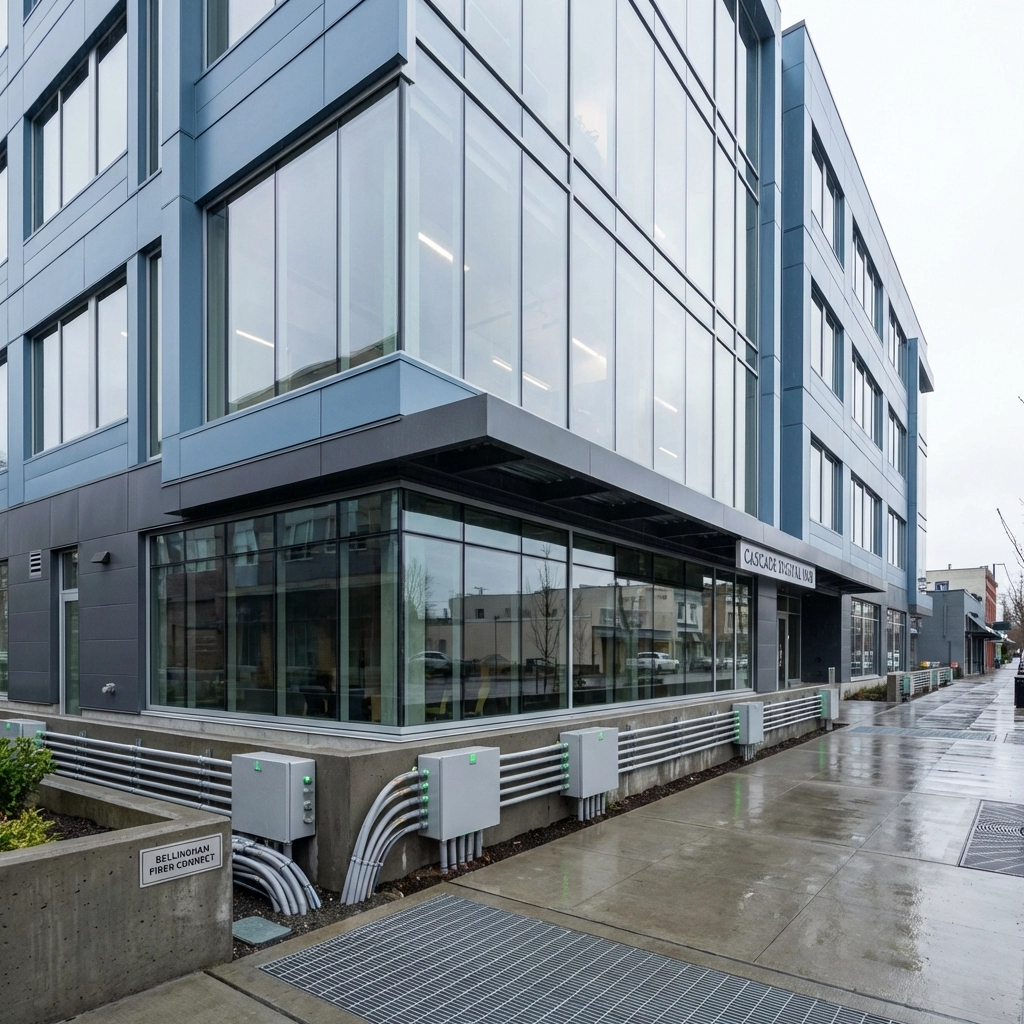
image_3

Healthcare Practices: Medical offices, clinics, and healthcare facilities require secure, reliable connectivity for electronic health records, telemedicine appointments, and compliance with HIPAA regulations. Fiber internet supports these applications while providing the bandwidth necessary for high-quality video consultations and large medical file transfers. Integration with cybersecurity solutions ensures patient data remains protected during transmission.

Hospitality and Restaurants: Modern restaurant operations depend on cloud-based point-of-sale systems, online reservation platforms, and guest Wi-Fi services. Fiber connectivity ensures these systems operate smoothly during peak dining periods, while supporting the bandwidth requirements of security cameras and inventory management systems.

Professional Services: Law firms, accounting practices, and consulting businesses increasingly rely on cloud-based document management, video conferencing, and collaborative platforms. Fiber internet eliminates the frustration of slow file uploads and choppy video calls that can undermine professional relationships.

Retail Operations: E-commerce integration, inventory management, and modern payment processing require consistent internet connectivity. Fiber service supports these functions while enabling advanced features like real-time inventory tracking and customer relationship management systems.

Enhanced Security and Network Management

Business fiber internet provides the foundation for comprehensive network security implementations. Unlike residential connections, business fiber services support advanced firewall configurations, virtual private networks (VPNs), and managed security appliances that protect company data and customer information.

The increased upload speeds available with fiber connectivity become particularly important for businesses implementing cloud backup solutions or maintaining offsite data redundancy. Fast upload capabilities ensure that critical business data reaches secure cloud storage platforms quickly and reliably, reducing the risk of data loss during system failures or security incidents.

For businesses requiring business IT infrastructure including firewalls, switches, and Wi-Fi access points, fiber internet provides the high-speed foundation that maximizes the performance of these security and networking investments.

Integration with Modern Business Communications

image_4

Today's businesses require communication solutions that extend beyond traditional phone services. Cloud phone systems and Google Workspace services depend on consistent, high-speed internet connectivity to deliver professional-grade performance.

Fiber internet eliminates the audio quality issues and dropped calls that plague businesses using traditional internet connections for VoIP services. This improvement directly impacts customer perception and internal team productivity, particularly for businesses that rely heavily on phone-based customer service or sales activities.

Video conferencing, file sharing, and collaborative document editing through cloud platforms operate seamlessly with fiber connectivity, enabling Bellingham businesses to compete effectively with larger companies in major metropolitan markets.

Frequently Asked Questions About Comcast Business Fiber

Q: How does fiber internet differ from cable internet for business use?
A: Fiber internet uses light signals transmitted through glass cables, providing consistent speeds regardless of network traffic. Cable internet shares bandwidth among multiple users, which can result in slower speeds during peak usage periods. For businesses, this consistency translates to more predictable performance for critical applications.

Q: What upload speeds can Bellingham businesses expect with Comcast Business Fiber?
A: Comcast Business plans offer up to 35 Mbps upload speeds, significantly higher than typical residential connections. This increased upload capacity supports cloud backups, video conferencing, and file sharing essential for modern business operations.

Q: Is installation disruptive to business operations?
A: Professional installation teams work with businesses to minimize operational disruption, often scheduling installations during off-hours or low-activity periods. The installation process typically involves running fiber cables to your business location and configuring the necessary equipment.

Q: How quickly can service issues be resolved?
A: Business customers receive priority support with dedicated technical teams available 24/7. Service level agreements ensure faster response times compared to residential service, recognizing the revenue impact of connectivity disruptions for businesses.

Q: Can existing business phone systems work with fiber internet?
A: Yes, existing VoIP phone systems typically perform better with fiber connectivity due to increased bandwidth and improved consistency. Traditional phone systems can also be integrated, though many businesses find this an opportune time to upgrade to cloud-based communications solutions.

Making the Right Choice for Your Bellingham Business

Selecting the appropriate internet service involves evaluating your current usage patterns, growth projections, and specific application requirements. Consider factors like the number of employees, reliance on cloud services, video conferencing frequency, and data backup needs when determining the right speed tier.

The investment in business fiber internet often pays for itself through improved productivity, reduced downtime, and enhanced customer service capabilities. For growing Bellingham businesses, the scalability of fiber service ensures that connectivity won't become a limiting factor as operations expand.

Don't let inadequate internet connectivity hold back your Bellingham business. Contact Premier Business Team at 360-946-2626 to discuss how Comcast Business Fiber Internet can transform your operations. Our local expertise and comprehensive understanding of business connectivity requirements ensure you'll receive the right solution for your specific needs. Call today to schedule a consultation and discover how reliable, high-speed fiber internet can drive your business forward in 2026 and beyond.

Phone Systems for Hospitality in Seattle, WA

premierbusiness · January 13, 2026 ·

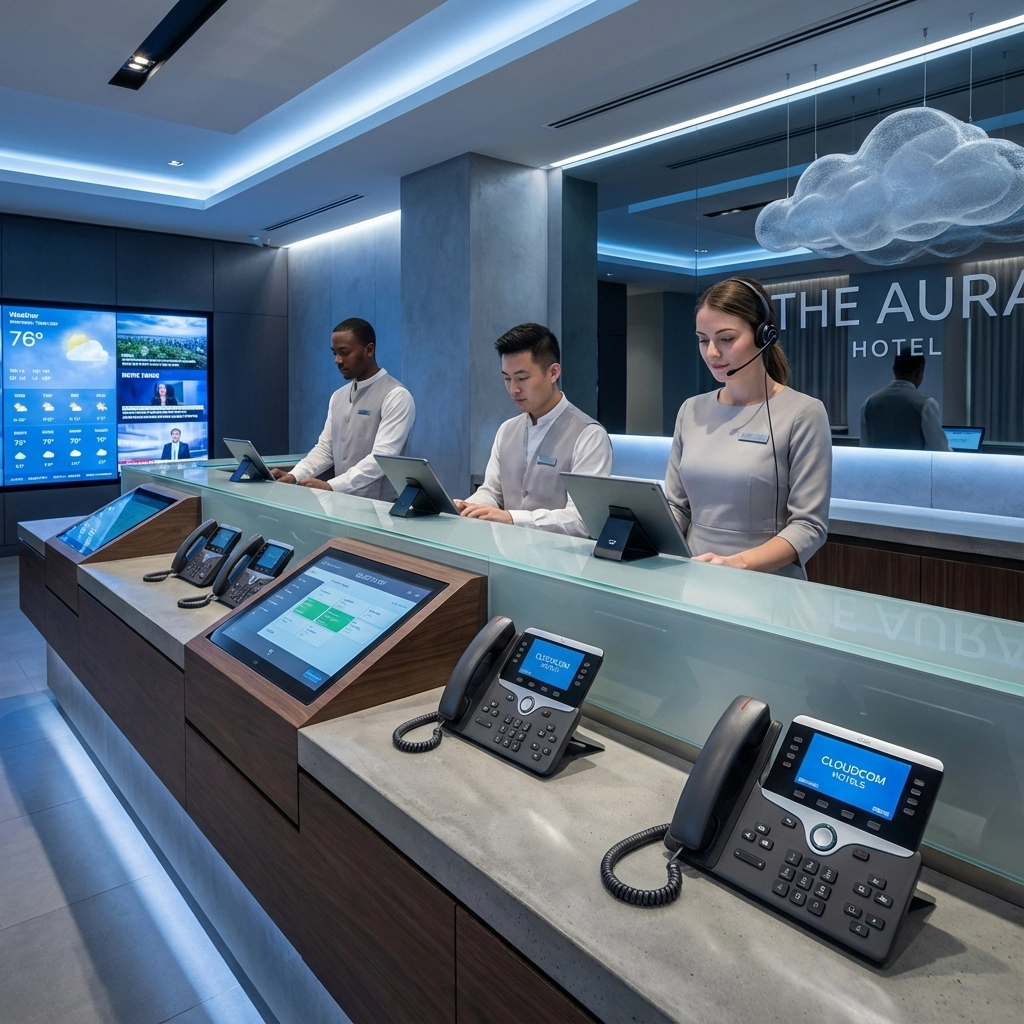
Seattle's hospitality industry is evolving rapidly, and your phone system needs to keep pace. Whether you manage a boutique hotel in Pike Place Market, a luxury resort in the Pacific Northwest, or operate gaming facilities across Washington, your communication infrastructure directly impacts guest satisfaction and operational efficiency.

Premier Business Team has helped hotels, resorts, and casinos save over $500,000 by fully upgrading and modernizing their phone systems. Our expertise in hospitality communications ensures your property delivers exceptional guest experiences while reducing operational costs to as low as $2-5 per room per month.

Request a Quote

Why Seattle Hotels Need Modern Phone Systems in 2026

The hospitality landscape in Seattle is more competitive than ever. From the iconic Fairmont Olympic to emerging boutique properties, successful hotels understand that communication technology isn't just about answering calls, it's about creating seamless guest journeys and empowering staff efficiency.

Traditional PBX systems are becoming obsolete, especially with the POTS line shutdown in February 2026. Hotels still relying on legacy systems face:

  • Skyrocketing maintenance costs
  • Limited scalability during peak seasons
  • Poor integration with modern property management systems
  • Inability to support mobile workforce demands
  • Compliance issues with Ray Baum's Act E911 requirements

image_1

Cloud Phone Systems for Hospitality: The Seattle Solution

Cloud phone systems for hospitality offer unprecedented flexibility and cost savings for Seattle properties. Unlike traditional systems requiring expensive on-site hardware, cloud-based solutions provide:

Seamless Property Management System Integration

Our phone systems for hotels integrate with leading PMS platforms including:

  • Opera Cloud
  • Protel
  • RoomMaster
  • Maestro
  • HMS
  • And 30+ additional systems

This integration enables automatic guest information population, streamlined wake-up call management, and real-time room status updates, eliminating manual data entry and reducing front desk errors.

Cost-Effective Per-Room Pricing

Traditional hotel phone systems often cost $15-25 per room monthly. Our modern solutions deliver enterprise-grade features at $2-5 per room per month, representing savings of up to 80% on communication costs. Premier Business Team can provide hospitality phone systems at per-room costs as low as $2, much lower than the typical $15-25 per-room industry standard.

Phone Systems for Resorts: Scaling Across Seattle's Hospitality Market

Phone systems for resorts require robust functionality to handle complex operations spanning multiple departments, restaurants, spas, and recreational facilities. Seattle-area resorts benefit from our comprehensive solutions featuring:

Advanced Call Routing and Management

  • Intelligent call distribution to appropriate departments
  • Multi-location support for resort properties with multiple buildings
  • Automated attendant with customizable greetings and directories
  • Queue management during peak check-in periods

Staff Mobility Solutions

Modern resort operations demand mobility. Our systems include:

  • Mobile apps allowing staff to answer calls anywhere on property
  • Wireless handsets for housekeeping and maintenance teams
  • Integration with staff scheduling systems
  • Push-to-talk functionality for instant team communication

image_2

Business Phone Systems for Casinos: Enterprise-Grade Security and Reliability

Business phone systems for casinos demand the highest levels of security, reliability, and regulatory compliance. Gaming facilities in Washington state require communication systems that support:

Enhanced Security Features

  • Encrypted voice communications
  • Call recording with secure storage
  • Access controls and authentication protocols
  • Integration with surveillance and security systems

24/7 Operational Support

Casino operations never stop, and neither should your phone system. Our solutions provide:

  • Redundant system architecture preventing downtime
  • 24/7 monitoring and support
  • Automatic failover capabilities
  • Geographically distributed backup systems

Seattle Hospitality Phone System Features That Drive Results

Guest-Centric Communication Tools

Modern guests expect seamless communication options:

  • Direct guest messaging through mobile apps
  • Multilingual support for Seattle's international visitors
  • Text-to-speech announcements in multiple languages
  • Integration with guest service platforms

Revenue Enhancement Capabilities

Transform your phone system from a cost center to revenue generator:

  • Sponsored messaging for local restaurant recommendations
  • Automated upselling during reservation calls
  • Integration with loyalty programs
  • Marketing campaign support through targeted messaging

Analytics and Reporting

Data-driven insights improve operations:

  • Call volume analysis by time and department
  • Average response time tracking
  • Guest satisfaction correlation with communication metrics
  • Staff productivity monitoring

image_3

Property Management System Integration: The Seattle Advantage

Our hospitality phone solutions excel at PMS integration, creating unified communication ecosystems that eliminate data silos and improve operational efficiency.

Real-Time Synchronization

  • Automatic room status updates
  • Guest preference management
  • Billing integration for phone charges
  • Check-in/check-out workflow automation

Custom Development Capabilities

Seattle's diverse hospitality market often requires customized solutions. Our development team creates:

  • Custom API integrations
  • Specialized reporting dashboards
  • Workflow automation tools
  • Brand-specific interface customizations

Proven Track Record: Over $500K in Savings

Premier Business Team's expertise has generated substantial savings across the hospitality sector:

Case Study Examples:

Luxury Seattle Hotel Chain: Reduced communication costs by 65% while improving guest satisfaction scores by 23% through unified communications deployment.

Pacific Northwest Resort Group: Achieved $180,000 annual savings by consolidating three separate phone systems into a single cloud platform with multi-location support.

Washington Gaming Facility: Enhanced security compliance and reduced IT overhead by 40% through modern VoIP implementation with integrated surveillance systems.

Implementation Process: Seamless Transition for Seattle Properties

Phase 1: Assessment and Planning

Our certified technicians conduct comprehensive site surveys, analyzing current infrastructure, identifying integration requirements, and developing customized deployment plans.

Phase 2: System Design and Configuration

We configure your cloud phone systems for hospitality with property-specific settings, PMS integrations, and custom calling workflows before installation begins.

Phase 3: Installation and Testing

Professional installation teams work during low-occupancy periods, ensuring minimal disruption to guest services while thoroughly testing all functionality.

Phase 4: Training and Support

Comprehensive staff training ensures smooth adoption, while our 24/7 support team provides ongoing assistance and system optimization.

image_4

Frequently Asked Questions About Hospitality Phone Systems

What makes hospitality phone systems different from standard business systems?

Hospitality phone systems include specialized features like wake-up call management, guest messaging, PMS integration, and multi-language support designed specifically for hotels, resorts, and gaming facilities.

How quickly can you implement a new phone system?

Most Seattle hospitality properties complete implementation within 2-4 weeks, depending on size and complexity. We work around your occupancy schedule to minimize disruption.

Do cloud systems work reliably during Seattle's weather events?

Yes, our cloud infrastructure includes redundant data centers and automatic failover capabilities, ensuring continuous operation even during power outages or network disruptions.

Can you integrate with our existing property management system?

We integrate with 30+ PMS platforms and can develop custom integrations for proprietary systems. Our team will verify compatibility during the initial assessment.

What ongoing support do you provide?

24/7 monitoring, unlimited technical support, regular system updates, and proactive maintenance are included with all hospitality phone system packages.

Why Choose Premier Business Team for Seattle Hospitality Communications

Our specialized focus on hospitality communications, combined with deep Seattle market knowledge, positions us as the premier choice for hotels, resorts, and casinos seeking modern phone system solutions.

Local Expertise with National Resources

  • Seattle-based support team understanding local market dynamics
  • National partnerships with leading technology providers
  • 24/7 support infrastructure with local response capabilities
  • Compliance expertise for Washington state regulations

Proven ROI and Cost Savings

With over $500,000 in documented savings across hospitality clients, Premier Business Team delivers measurable results through strategic technology implementation and ongoing optimization.

Ready to modernize your hospitality phone system and join the growing list of Seattle properties saving thousands while improving guest satisfaction? Our hospitality communications experts are standing by to design a customized solution for your property.

Contact Premier Business Team today at 360-946-2626 to schedule your free hospitality phone system assessment and discover how we can transform your guest communication experience while reducing costs by up to 80%.

Visit our UCaaS IP Phone Systems page to learn more about our comprehensive communication solutions, or explore our business solutions to see how we can support your entire technology infrastructure.

Request a Quote

7 Cybersecurity Mistakes Small Businesses Make That Hackers Exploit (and How to Fix Them Fast)

premierbusiness · January 13, 2026 ·

Small businesses are under siege. In 2026, cybercriminals launch attacks on small and medium-sized businesses every 14 seconds, with 60% of targeted companies going out of business within six months of a successful breach.

Here's the harsh reality: hackers don't just target Fortune 500 companies anymore. They've shifted focus to small businesses precisely because they're easier targets with fewer security measures. While large corporations invest millions in cybersecurity infrastructure, small businesses often operate with minimal protection: making them the low-hanging fruit cybercriminals love to exploit.

The good news? Most cyberattacks succeed because of preventable mistakes, not sophisticated hacking techniques. By understanding these common vulnerabilities and implementing straightforward fixes, you can transform your business from an easy target into a hardened fortress that hackers will skip over in favor of easier prey.

1. Using Weak Passwords and Poor Authentication

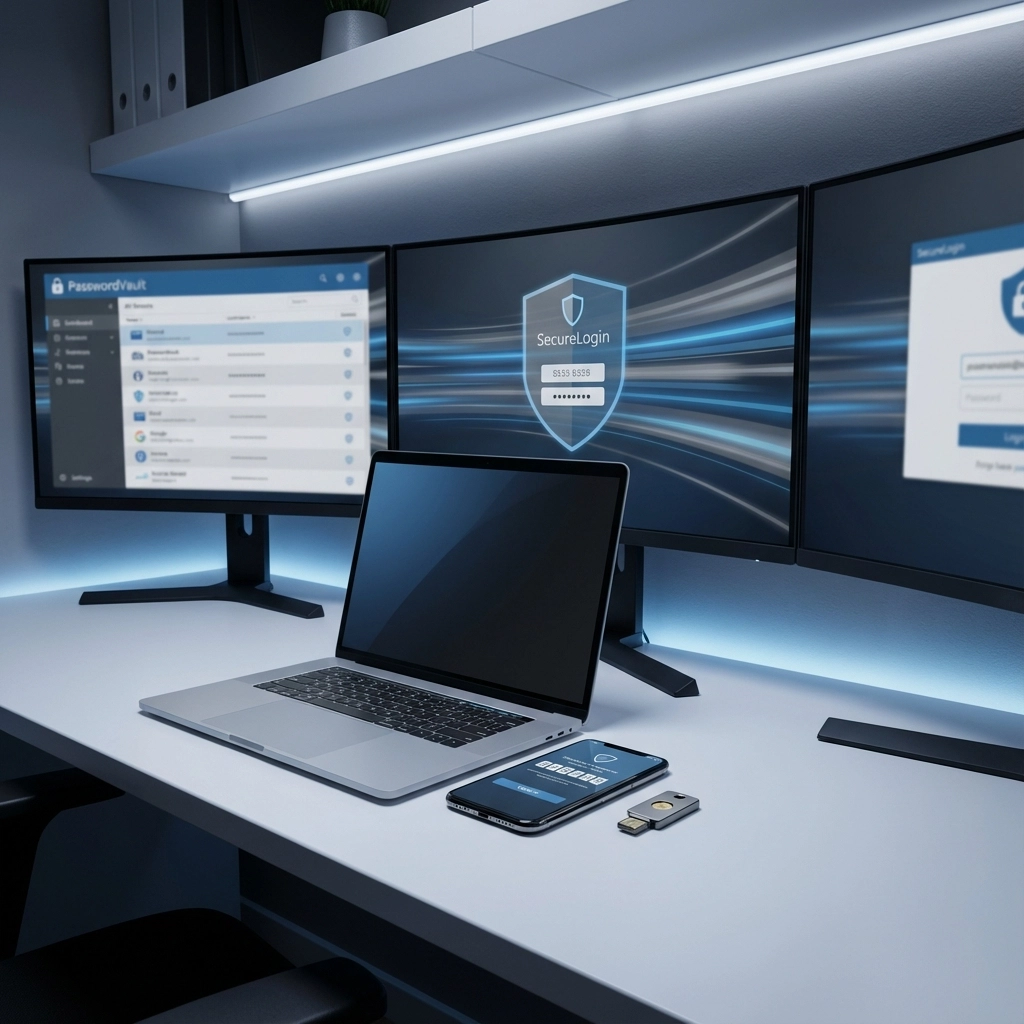
The Mistake: Your employees are still using passwords like "123456," "password123," or worse: the same password across multiple accounts. Many businesses also rely on default passwords provided by vendors, creating massive security gaps.

Why Hackers Love This: Weak passwords are the equivalent of leaving your front door unlocked with a neon "OPEN" sign. Cybercriminals use automated tools to attempt millions of password combinations per second (brute force attacks) or leverage stolen password databases to access multiple accounts (credential stuffing attacks).

image_1

How to Fix It Fast:

  • Implement Multi-Factor Authentication (MFA) immediately on all business accounts. Even if hackers crack a password, they'll hit a second security barrier.
  • Deploy a business password manager like Bitwarden or 1Password to generate and store unique, complex passwords for every account.
  • Establish a formal password policy requiring 12+ character passwords with automatic rotation every 90 days.
  • Change ALL default passwords on routers, software, and equipment the moment you receive them.

2. Ignoring Software Updates and Security Patches

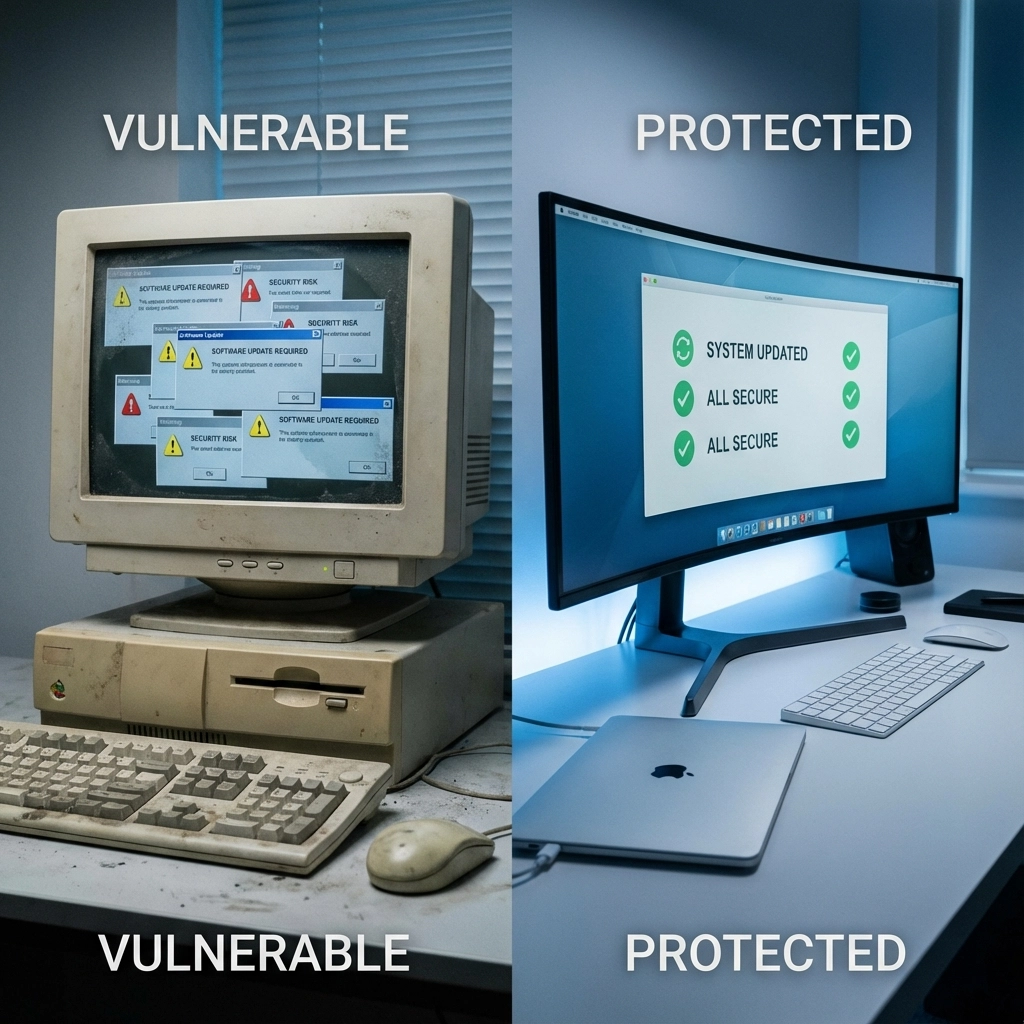
The Mistake: Your team treats software update notifications like annoying pop-ups, constantly clicking "Remind Me Later" or assuming that cyber threats only target larger corporations.

Why Hackers Exploit This: Unpatched software contains known vulnerabilities that hackers actively scan for using automated tools. When Microsoft, Adobe, or other vendors release security patches, they're essentially publishing a roadmap of vulnerabilities. Businesses that don't update quickly become sitting ducks for ransomware and malware attacks.

How to Fix It Fast:

  • Enable automatic updates for operating systems, antivirus software, and critical business applications.
  • Create a patch management schedule with designated "update windows" to minimize business disruption.
  • Retire legacy software that no longer receives vendor security support: these systems are hacker goldmines.
  • Never ignore security patches, especially for web browsers, email clients, and network equipment.

3. Operating Without a Data Backup and Recovery Plan

The Mistake: Your business relies on manual backup methods, outdated systems, or worse: no backup strategy at all. Many small businesses assume their data is "safe" because it's stored locally or that disasters "won't happen to us."

Why This Is Catastrophic: When ransomware strikes or hardware fails, businesses without proper backups face an impossible choice: pay criminal ransoms (with no guarantee of data recovery) or permanently lose years of customer data, financial records, and operational information.

image_2

How to Fix It Fast:

  • Follow the 3-2-1 backup rule: 3 copies of critical data, on 2 different storage types, with 1 copy stored offsite.
  • Automate daily backups of all critical business data to cloud storage services.
  • Test your backups monthly by actually restoring files to ensure they work when needed.
  • Document your recovery procedures so any team member can restore operations during emergencies.

4. Underestimating Your Value as a Target

The Mistake: Small business owners mistakenly believe cybercriminals only target large corporations with massive databases and million-dollar accounts.

Why This Mindset Is Dangerous: This false sense of security leads businesses to skip basic cybersecurity measures, leaving systems wide open to attacks. In reality, small businesses are attractive targets precisely because they're perceived as easier to penetrate and less likely to have incident response teams.

How to Fix It Fast:

  • Conduct a realistic threat assessment acknowledging that your business contains valuable data (customer information, financial records, vendor relationships).
  • Implement basic security hygiene like secure Wi-Fi networks with WPA3 encryption and guest network separation.
  • Limit data access on a need-to-know basis: not every employee needs access to customer payment information.
  • Monitor your business credit and bank accounts for unauthorized activity that could signal a breach.

5. Failing to Train Employees on Cybersecurity Basics

The Mistake: Your team lacks cybersecurity awareness and can't recognize phishing emails, suspicious links, or social engineering tactics designed to trick them into revealing sensitive information.

Why Human Error Is Your Biggest Risk: Even with perfect technical defenses, one employee clicking a malicious link or downloading an infected attachment can compromise your entire network. Cybercriminals specifically target human psychology because it's often easier than breaking through technical barriers.

image_3

How to Fix It Fast:

  • Conduct monthly cybersecurity training covering phishing identification, password security, and social engineering recognition.
  • Run simulated phishing tests to identify which employees need additional training without punishing honest mistakes.
  • Create clear reporting procedures so employees feel comfortable reporting suspicious emails or potential security incidents.
  • Establish a "security-first" culture where questioning unusual requests is encouraged and rewarded.

For comprehensive insights on protecting your business from evolving cyber threats, check out our detailed guide on cybersecurity secrets that IT consultants don't want small businesses to know.

6. Lacking Comprehensive Endpoint Protection

The Mistake: Many small businesses assume basic antivirus software provides adequate protection, overlooking the need for comprehensive endpoint security across all devices: especially with remote work and bring-your-own-device (BYOD) policies.

Why Endpoints Are Hacker Gateways: Every laptop, smartphone, and tablet that connects to your network represents a potential entry point for malware, ransomware, and unauthorized access. Remote workers often connect from unsecured Wi-Fi networks, multiplying these risks exponentially.

How to Fix It Fast:

  • Deploy centralized endpoint protection that includes antivirus, anti-malware, firewall management, and device monitoring.
  • Require security software installation on all devices (company-owned and personal) before network access.
  • Implement device encryption for laptops and mobile devices containing business data.
  • Monitor endpoint activity for unusual behavior that could indicate compromise.

7. Operating Without Formal Security Policies and Incident Response Plans

The Mistake: Small businesses fail to document clear security policies for handling sensitive information, vendor relationships, or security incidents, leaving employees to make security decisions based on guesswork.

Why Structure Matters: Without defined frameworks, employees don't know how to securely handle customer data, evaluate vendor security requirements, or respond to potential breaches. This creates inconsistent security practices and delayed incident response.

image_4

How to Fix It Fast:

  • Document clear security policies covering password management, data handling, incident reporting, remote work protocols, and vendor requirements.
  • Create an incident response plan with step-by-step procedures for identifying, containing, and recovering from security incidents.
  • Verify vendor security standards before granting network access or sharing sensitive data.
  • Schedule annual policy reviews to ensure procedures remain current with evolving threats and business needs.

Understanding how integrated security fits into your overall business infrastructure is crucial. Learn more about how unified communications can integrate your phone, internet, and security systems for comprehensive protection.

Frequently Asked Questions About Small Business Cybersecurity

Q: How often do small businesses get attacked by cybercriminals?
A: Small businesses experience cyberattacks approximately every 14 seconds in 2026, with 43% of all cyberattacks targeting small and medium-sized businesses.

Q: What's the average cost of a cybersecurity breach for small businesses?
A: The average cost ranges from $25,000 to $50,000 per incident, but 60% of small businesses that suffer a major breach go out of business within six months.

Q: Can small businesses afford professional cybersecurity services?
A: Many cybersecurity measures are low-cost or free to implement. Professional managed security services often cost less than recovering from a single successful attack.

Q: How quickly should we patch security vulnerabilities?
A: Critical security patches should be applied within 72 hours of release. High-priority patches should be deployed within one week.

Q: What should we do immediately if we suspect a cybersecurity breach?
A: Immediately disconnect affected systems from your network, preserve evidence, contact your cybersecurity provider or IT consultant, and notify relevant authorities if customer data may be compromised.

Q: Are cloud-based solutions more secure than on-premise systems for small businesses?
A: Cloud providers typically offer enterprise-grade security that small businesses cannot afford to implement independently, making cloud solutions often more secure than on-premise alternatives.

Take Action Today to Protect Your Business

Don't wait for a cybersecurity incident to force your hand. Every day you delay implementing these security measures is another day hackers can exploit these vulnerabilities to damage your business, steal customer data, and destroy your reputation.

At Premier Business Team, we help small and medium-sized businesses in the Pacific Northwest implement comprehensive cybersecurity strategies without breaking the bank. Our experts understand the unique challenges facing growing businesses and can design security solutions that scale with your operations.

Ready to transform your business from an easy target into a secure operation? Contact Premier Business Team today for a complimentary cybersecurity assessment. We'll identify your specific vulnerabilities and create a customized action plan to protect your business, employees, and customers from evolving cyber threats.

Call us now or visit premierbusinessteam.com to schedule your free security consultation. Your business's future depends on the decisions you make today.

Business Fiber Internet in Lynden, WA: Advanced Connectivity for Growing Companies

premierbusiness · January 13, 2026 ·

In today's competitive business landscape, reliable high-speed internet isn't just a convenience: it's the backbone of successful operations. For growing companies in Lynden, Washington, business fiber internet represents a critical infrastructure investment that can dramatically impact productivity, customer service, and bottom-line results.

Located in the heart of Whatcom County, Lynden's business community spans from agricultural operations and manufacturing to retail, healthcare, and professional services. Each of these sectors demands robust connectivity to support modern business applications, cloud services, and digital communication tools that keep operations running smoothly.

Why Business Fiber Internet Matters for Lynden Companies

Unlike residential broadband or traditional business internet services, fiber optic internet delivers unmatched reliability and performance characteristics that growing businesses require. The technology uses light signals transmitted through ultra-thin glass fibers, providing several key advantages over copper-based connections.

Symmetrical Upload and Download Speeds

Traditional internet services often provide much faster download speeds than upload speeds. For businesses regularly backing up data to the cloud, conducting video conferences, or sharing large files with clients and partners, symmetrical speeds eliminate bottlenecks that can cripple productivity.

image_1

Consistent Performance Under Load

Fiber internet maintains consistent speeds regardless of how many devices are connected or the time of day. This reliability proves essential for businesses with multiple employees accessing cloud applications simultaneously, conducting video meetings, or running bandwidth-intensive operations.

Lower Latency for Real-Time Applications

The reduced delay in data transmission makes fiber ideal for businesses using VoIP phone systems, video conferencing, or any real-time communication tools. Every millisecond matters when you're serving customers or collaborating with team members.

Available Business Fiber Options in Lynden

Research indicates that approximately 16.3% of Lynden has access to fiber internet services, with several providers offering business-class connectivity solutions tailored to different company needs and budgets.

Ziply Fiber: Premium Performance

Ziply Fiber leads the market with speeds up to 6,000 Mbps for both download and upload, making it ideal for data-intensive businesses. The provider emphasizes no contracts, no data caps, and 24/7 customer service: critical features for businesses that can't afford connectivity interruptions. Their symmetrical speeds make them particularly attractive for companies heavily reliant on cloud services, large file transfers, or video communications.

Astound: Balanced Business Solutions

Astound provides business fiber services with speeds reaching 2,000 Mbps up and down, offering solid performance for most business applications. While coverage may be more limited than Ziply Fiber, they often provide competitive pricing for small to medium-sized businesses.

PogoZone: Local Whatcom County Option

Powered by Neubeam, PogoZone offers 1,000 Mbps fiber speeds with business-class VoIP services. As a local provider serving Whatcom County specifically, they often provide personalized service and local support that some businesses prefer over larger national providers.

image_2

Industry-Specific Benefits of Business Fiber

Different business sectors in Lynden experience unique advantages from upgrading to fiber internet connectivity.

Manufacturing and Agriculture

Modern agricultural operations increasingly rely on IoT sensors, automated systems, and cloud-based management platforms. Fiber internet enables seamless data collection from field sensors, real-time monitoring of equipment, and efficient communication with supply chain partners. Manufacturing businesses benefit from reliable connectivity for inventory management systems, quality control databases, and customer relationship management platforms.

Healthcare and Professional Services

Medical practices, dental offices, and professional service firms handle sensitive client data requiring secure, reliable transmission. Fiber internet supports HIPAA-compliant cloud storage, telemedicine platforms, and secure client communication systems. The low latency proves essential for video consultations and real-time collaboration tools.

Retail and Hospitality

Retail businesses depend on point-of-sale systems, inventory management, and customer Wi-Fi services. Fiber internet ensures payment processing systems remain responsive during peak shopping periods while supporting guest internet access without compromising business operations. Restaurants benefit from reliable connections for online ordering platforms, reservation systems, and staff communication tools.

Technical Considerations for Implementation

Upgrading to business fiber internet involves several technical considerations that smart businesses address proactively.

Infrastructure Requirements

Your building's existing network infrastructure may need updates to fully leverage fiber internet speeds. Premier Business Team's network infrastructure services include ethernet wiring, switch installation, and Wi-Fi access point configuration to ensure your internal network can handle gigabit speeds throughout your facility.

Security Considerations

Higher internet speeds increase both opportunities and risks. Implementing robust cybersecurity solutions becomes even more critical with fiber connectivity, as faster connections can also mean faster data breaches if security measures aren't properly configured.

Redundancy and Backup Solutions

While fiber internet offers exceptional reliability, successful businesses implement backup connectivity solutions to ensure business continuity. Consider secondary internet connections or failover systems to maintain operations if your primary fiber connection experiences issues.

image_3

Maximizing Your Fiber Investment

Simply installing fiber internet doesn't automatically transform business operations. Companies achieve the best results by strategically implementing complementary technologies and services.

Cloud Services Integration

High-speed fiber internet makes cloud-based email and drive services significantly more practical and cost-effective. Google Workspace, Microsoft 365, and other cloud platforms perform optimally with symmetrical gigabit speeds, enabling seamless collaboration and data access.

Modern Phone Systems

Fiber connectivity opens opportunities to modernize communication systems with cloud-based phone solutions. Cloud phone systems offer advanced features, scalability, and cost savings compared to traditional phone lines, especially when supported by reliable fiber internet.

Unified Technology Strategy

As detailed in our case study on how a retail franchise achieved unified tech and reduced downtime, successful businesses approach fiber internet as part of a comprehensive technology strategy rather than an isolated upgrade.

Planning Your Fiber Internet Transition

Moving to business fiber internet requires careful planning to minimize disruption while maximizing benefits.

Assessment and Planning Phase

Begin by evaluating your current internet usage, identifying bottlenecks, and projecting future needs. Consider factors like employee growth, new software implementations, and changing business requirements over the next 3-5 years.

Provider Evaluation

Since fiber availability varies by specific location in Lynden, verify service availability at your exact business address with multiple providers. Compare not just speeds and pricing, but also service level agreements, installation timelines, and ongoing support options.

Implementation Strategy

Coordinate fiber installation with any necessary internal network upgrades to avoid delays or compatibility issues. Consider scheduling installation during off-peak business hours to minimize operational disruption.

image_4

Frequently Asked Questions About Business Fiber Internet

What's the difference between business and residential fiber internet?

Business fiber internet typically includes service level agreements guaranteeing uptime, priority technical support, static IP addresses, and symmetrical upload/download speeds. Residential services may offer lower priority during network congestion and limited business support options.

How much does business fiber internet cost in Lynden?

Pricing varies significantly based on speed requirements, contract terms, and additional services. Most providers offer customized quotes based on specific business needs rather than standard residential pricing tiers.

Do I need to upgrade my internal network equipment for fiber internet?

Potentially yes. To fully utilize gigabit fiber speeds, your internal network switches, wireless access points, and ethernet cabling may need upgrades. Older equipment might bottleneck your fiber connection's performance.

How long does fiber internet installation typically take?

Installation timelines vary from a few days to several weeks, depending on whether fiber infrastructure already reaches your building. New construction or areas requiring infrastructure development may take longer.

What happens if my fiber internet goes down?

Business fiber services typically include service level agreements guaranteeing specific uptime percentages and response times for outages. Many businesses implement backup internet connections for critical operations.

Is fiber internet secure for sensitive business data?

Fiber internet provides the same security levels as other internet connections: security depends on your internal network configuration, firewalls, and cybersecurity practices rather than the connection type itself.

Take the Next Step Toward Advanced Connectivity

Business fiber internet represents a strategic investment in your company's future growth and competitive positioning. In Lynden's evolving business environment, companies with superior connectivity enjoy significant advantages in productivity, customer service, and operational efficiency.

Don't let outdated internet infrastructure hold your business back. Premier Business Team specializes in helping Whatcom County businesses navigate technology upgrades, from initial assessment through implementation and ongoing support.

Ready to explore business fiber internet options for your Lynden company? Contact Premier Business Team today at 360-946-2626 to schedule your comprehensive connectivity consultation and discover how advanced fiber internet can transform your business operations.

Contact Center Technologies vs Traditional Call Centers: Which Delivers Better ROI for Multi-Location Businesses?

premierbusiness · January 13, 2026 ·

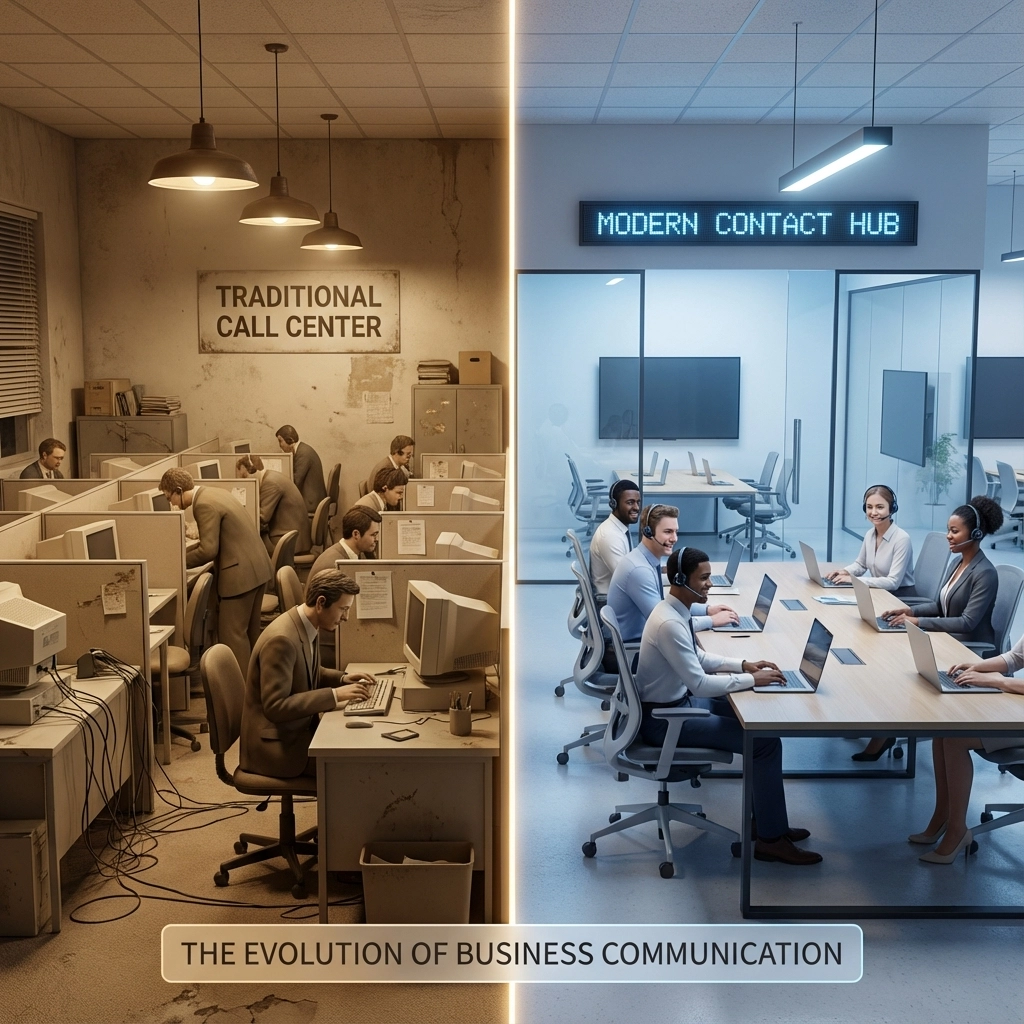
For multi-location businesses evaluating communication systems in 2026, the ROI question is clear: contact center technologies deliver significantly better long-term returns compared to traditional call centers. While call centers offer lower upfront costs, contact centers provide superior scalability, automation capabilities, and measurable financial returns that justify their higher initial investment, especially as your business grows across multiple locations.

The Traditional Call Center Reality Check

Traditional call centers have served businesses for decades with a straightforward approach: handle phone calls efficiently with minimal technology overhead. For single-location operations with simple customer service needs, they still offer some advantages.

Strengths of Traditional Call Centers

Lower Initial Investment: Call centers require basic phone systems and minimal infrastructure, making them attractive for businesses with tight budgets or simple communication needs.

Operational Simplicity: Fewer moving parts mean easier management with smaller teams. There's no complex software integration or multi-channel coordination required.

Immediate Deployment: Traditional systems can be operational quickly without extensive configuration or training periods.

image_1

The Hidden Costs That Add Up

However, traditional call centers face significant limitations that become expensive as businesses scale:

  • Physical Infrastructure Dependency: Each new location requires separate hardware, phone lines, and real estate, costs that multiply linearly with growth
  • Single-Channel Limitations: Voice-only communication creates bottlenecks and longer wait times, directly impacting customer satisfaction
  • High Agent Turnover: Monotonous work environments lead to increased recruitment and training costs
  • Limited Scalability: Adding capacity means hiring more agents and expanding physical space

For multi-location businesses, these constraints become deal-breakers as operational complexity and costs spiral upward.

Contact Center Technologies: Built for Multi-Location Success

Modern contact center technologies operate on cloud-based platforms designed specifically for scalability and efficiency. They represent a fundamental shift from reactive call handling to proactive customer engagement across multiple channels.

Core Advantages for Growing Businesses

Cloud-Based Scalability: Deploy new locations without additional hardware investments. Your entire communication infrastructure scales through software, not physical expansion.

Omnichannel Integration: Handle customer interactions across phone, email, chat, SMS, social media, and video from a unified platform. This flexibility directly impacts revenue, 48% of customers switch brands for better service experiences.

Advanced Automation: AI chatbots, intelligent routing, and automated workflows reduce average handle times by 34+ seconds per interaction. For high-volume operations, every second saved translates to approximately $1 million in annual savings.

Unified Customer Data: Customer interaction history and preferences remain accessible across all locations, enabling consistent, personalized service experiences.

image_2

Measurable ROI Impact

Contact centers deliver concrete financial benefits that traditional call centers simply cannot match:

  • First Call Resolution: Optimized contact centers achieve 85%+ resolution rates compared to 60-70% for traditional systems
  • Cost Reduction: Businesses report up to 30% savings in customer service costs through automation and efficiency improvements
  • Annual Savings: Documented cases show $2.5+ million in annual savings through improved performance metrics
  • IVR Containment: Advanced systems handle nearly 65% of routine inquiries automatically, freeing agents for complex interactions

ROI Comparison: The Numbers That Matter

Metric Traditional Call Centers Contact Center Technologies
Initial Setup Cost Lower ($50K-$100K) Higher ($100K-$300K)
Cost Per New Location High (full infrastructure) Minimal (software licensing)
Average Handle Time 6-8 minutes 4-5 minutes (34+ second reduction)
First Call Resolution 60-70% 85%+
Agent Utilization 60-70% 80-90%
Customer Satisfaction 3.2-3.8/5 4.2-4.7/5
Annual Operating Cost Increases linearly Economies of scale improve efficiency
Payback Period N/A (maintenance mode) 12-24 months

image_3

Strategic Recommendations by Business Type

Choose Contact Center Technologies If:

  • Multi-location operations: Unified platforms eliminate per-location infrastructure costs
  • Growth-focused businesses: Cloud scalability supports expansion without capital investment
  • Customer-first brands: Omnichannel support drives satisfaction and retention
  • High-volume interactions: Automation ROI becomes significant with scale

Contact centers are particularly valuable for businesses in retail, healthcare, financial services, and any industry where customer experience directly impacts revenue. Companies like retail franchises have achieved unified technology implementations that reduce downtime while improving customer service across all locations.

Consider Traditional Call Centers Only If:

  • Single location with no growth plans: Limited scalability requirements
  • Severe budget constraints: Immediate cost savings outweigh long-term efficiency
  • Simple voice-only needs: Customers primarily prefer phone communication
  • Very small operation: Fewer than 10 agents with straightforward interactions

Even in these scenarios, cloud-based contact center solutions often provide better value through lower ongoing maintenance costs and built-in redundancy.

Implementation Strategy for Maximum ROI

Phase 1: Assessment and Planning (Months 1-2)

  • Audit current communication costs across all locations
  • Identify integration requirements with existing business systems
  • Calculate projected ROI based on current call volume and resolution metrics

Phase 2: Pilot Deployment (Months 3-4)

  • Implement contact center technology at one location
  • Train agents on omnichannel capabilities
  • Measure performance improvements and cost savings

Phase 3: Multi-Location Rollout (Months 5-8)

  • Deploy unified platform across all locations simultaneously
  • Establish centralized reporting and management
  • Optimize automation rules based on pilot data

Phase 4: Continuous Optimization (Ongoing)

  • Monitor ROI metrics monthly
  • Expand automation capabilities as call patterns emerge
  • Scale capacity up or down based on seasonal demands

image_4

Frequently Asked Questions

Q: How long does it take to see ROI from contact center technology?
A: Most multi-location businesses see positive ROI within 12-24 months through reduced operational costs and improved efficiency metrics.

Q: Can contact centers integrate with our existing business systems?
A: Yes, modern contact centers offer extensive integration capabilities with CRM systems, help desk software, and business applications through APIs and pre-built connectors.

Q: What happens if internet connectivity fails at one location?
A: Cloud-based contact centers include automatic failover routing, ensuring calls are redirected to other locations or mobile agents without service interruption.

Q: How do contact centers handle peak seasonal demands?
A: Cloud platforms allow rapid scaling of agent capacity without hardware investment. You can add temporary agents or expand automated handling during high-volume periods.

Q: Are there ongoing training requirements for staff?
A: Initial training typically takes 1-2 weeks, with ongoing education as new features are added. However, intuitive interfaces reduce learning curves compared to traditional systems.

The Bottom Line: ROI Favors Contact Center Technology

For multi-location businesses in 2026, contact center technologies deliver superior ROI through measurable cost savings, improved customer satisfaction, and operational scalability that traditional call centers cannot match. While the initial investment is higher, the long-term financial benefits: combined with competitive advantages in customer experience: make contact centers the clear choice for growing businesses.

The question isn't whether you can afford to upgrade to contact center technology; it's whether you can afford not to. As customer expectations continue rising and communication channels multiply, businesses stuck with traditional call centers will find themselves at an increasing competitive disadvantage.

Ready to calculate your specific ROI and explore contact center solutions for your multi-location business? Contact Premier Business Team today for a free assessment of your current communication costs and a customized projection of potential savings. Our technology experts will help you design a scalable solution that grows with your business while delivering measurable returns from day one.

  • « Go to Previous Page
  • Page 1
  • Interim pages omitted …
  • Page 36
  • Page 37
  • Page 38
  • Page 39
  • Page 40
  • Interim pages omitted …
  • Page 78
  • Go to Next Page »

Get a no obligation quote for your business. Learn More

Proud Chamber Member

Bellingham Chamber Badge

Premier Business Team

Copyright © 2026 ยท Premier Business Team 2219 Rimland Dr. Suite 301 Bellingham, WA 98226 - 360-946-2626

  • Home
  • Business Internet
  • Business Phone
  • Blog
  • About Us
  • Contact Us
  • Business Quote
  • Engineering
  • Call: 360-946-2626